
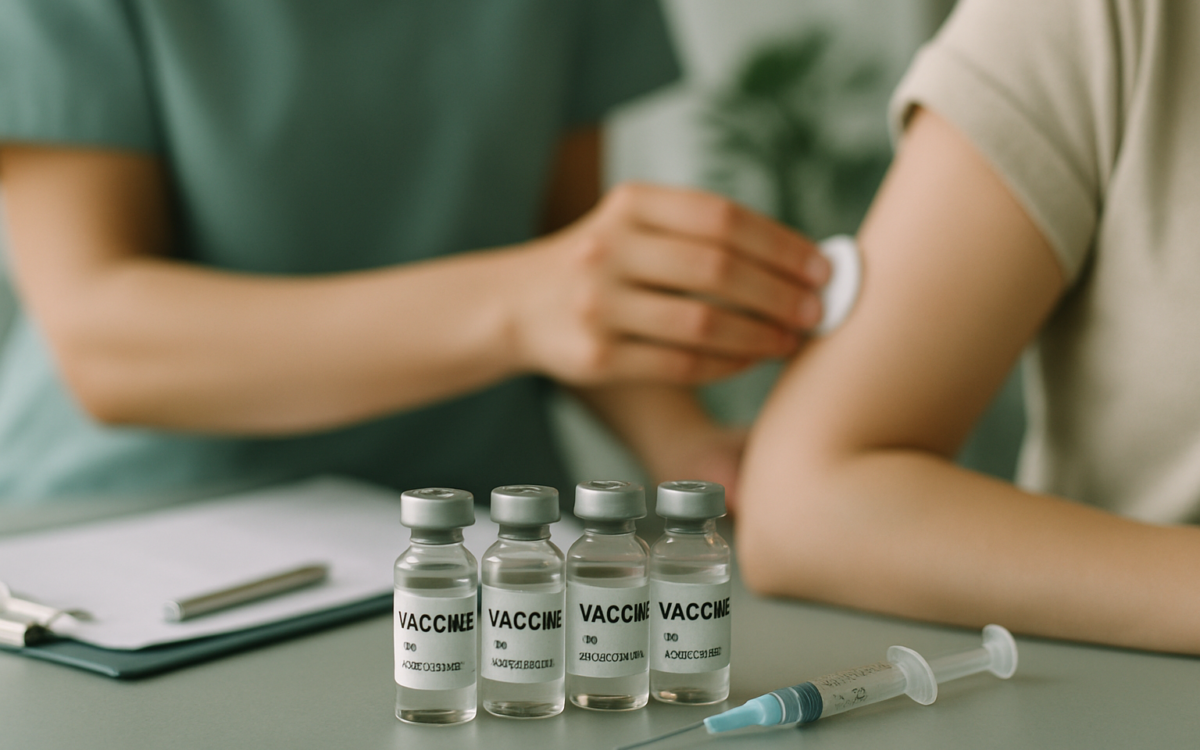
Vaccines have changed the face of public health, saving countless lives and preventing diseases that once led to widespread suffering. They work by training the immune system to recognize and combat specific pathogens. Understanding the common vaccines available can empower individuals and families to make informed decisions about their health.
What Are Vaccines and How Do They Work?
Vaccines are biological preparations that provide acquired immunity to a particular infectious disease. They typically contain an agent that resembles a disease-causing microorganism and is often made from weakened or killed forms of the microbe, its toxins, or one of its surface proteins. By introducing this agent into the body, vaccines stimulate the immune system to recognize the agent as a threat, destroy it, and remember it for future encounters. This mechanism of action helps prevent the actual diseases
The Importance of Vaccination
Vaccination is crucial not only for individual health but also for public health. When a significant portion of the population is vaccinated, community immunity (or herd immunity) is established. This helps protect those who cannot be vaccinated, like infants or individuals with certain health conditions. According to the CDC, vaccination prevents about 2-3 million deaths each year globally. Vaccines can prevent various diseases, such as measles, mumps, polio, and many more.
Common Vaccines
Several vaccines are commonly administered throughout life. Here are some of the most recognized ones:
- MMR (Measles, Mumps, and Rubella): This vaccine protects against three viral diseases, all of which can lead to severe complications.
- DTaP (Diphtheria, Tetanus, Pertussis): This combination vaccine protects against three bacterial diseases. Tetanus vaccines need to be boosted every ten years.
- Varicella (Chickenpox): This vaccine helps prevent chickenpox, a highly contagious disease that can lead to serious complications.
- HPV (Human Papillomavirus): This vaccine protects against cancers caused by human papillomavirus, including cervical cancer.
- Influenza (Flu): Recommended annually, this vaccine helps protect against seasonal flu strains that can cause severe illness.
- COVID-19 Vaccine: A newer addition, vaccines for COVID-19 have been developed to combat the ongoing pandemic and reduce hospitalizations and deaths.
Vaccine Schedules
Vaccination schedules can vary based on age, health conditions, and other factors. The CDC provides detailed schedules that outline when vaccines should be given. Infants usually start receiving vaccines at two months of age, and booster shots are scheduled at specific intervals to ensure long-term immunity. Following these schedules is crucial for optimal protection.
Vaccine Myths and Misconceptions
Despite extensive research supporting the effectiveness and safety of vaccines, misinformation continues to circulate. Some common myths include the belief that vaccines can cause the diseases they prevent or that they are more dangerous than the diseases themselves. According to the World Health Organization (WHO), vaccines undergo rigorous testing before approval and are continually monitored for safety once on the market. Understanding the facts is vital for making informed health decisions.
When to See a Doctor
While vaccines are generally safe, you should consult your doctor if you or a family member experiences any adverse reactions after vaccination, or if you have specific health concerns or conditions that may affect vaccination. It’s important to discuss any allergies or past reactions to vaccines with your healthcare provider to tailor a vaccination plan that’s right for you.
Conclusion
Common vaccines are essential tools in the fight against infectious diseases. They protect not only individuals but also the wider community. By staying informed about vaccines, understanding their importance, and adhering to recommended schedules, we can help ensure a healthier future for ourselves and generations to come. Always consult with your healthcare provider for any questions regarding vaccines and immunizations.
