
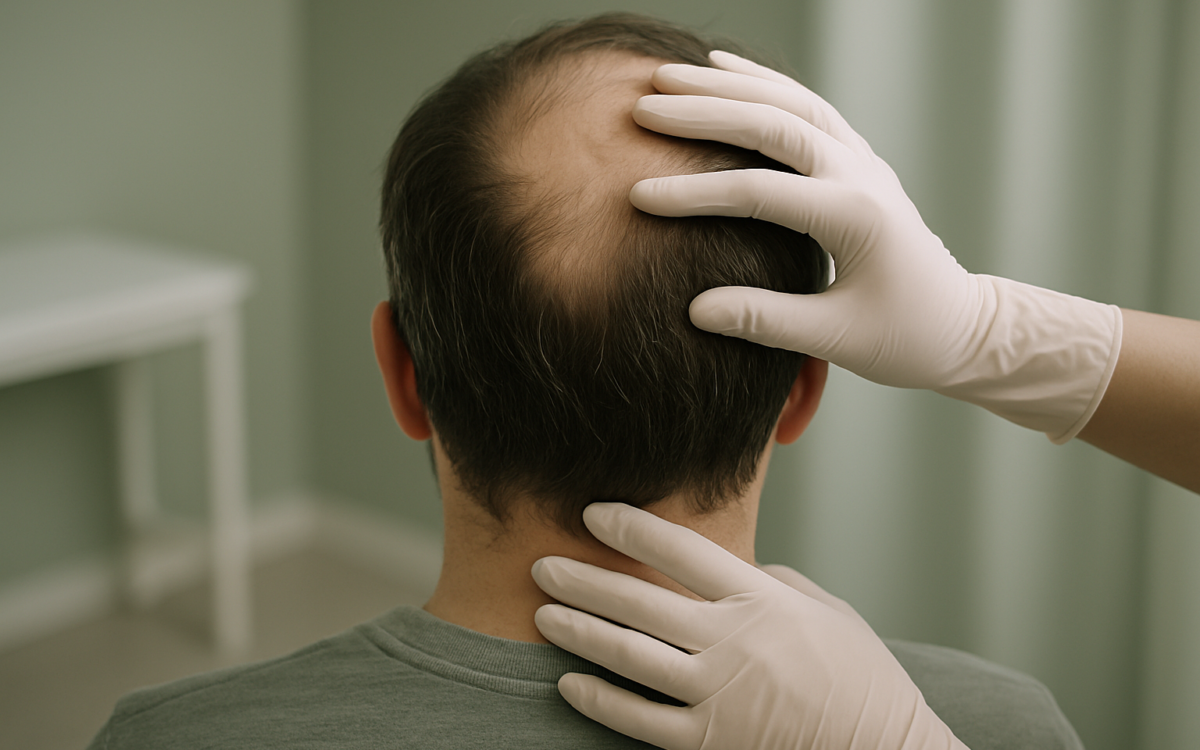
Crown hair loss can be a common yet distressing issue for many individuals, particularly men. This type of hair loss can lead to visible thinning at the crown of the head, which often impacts self-esteem and confidence. Understanding the potential causes and effective management strategies can help individuals navigate this challenge.
What is Crown Hair Loss?
Crown hair loss refers to hair thinning or loss that primarily occurs at the top of the head. For many, this might manifest as a receding hairline or bald spots at the crown. It’s essential to understand that hair loss can be gradual, and may vary greatly among individuals.
Common Causes of Crown Hair Loss
Several factors can contribute to crown hair loss. Let’s explore some of these causes:
- Genetics: Family history often plays a vital role in hair loss. If you have a family history of baldness, it may increase your risk.
- Hormonal Changes: Hormones, particularly androgens, can influence hair growth. Conditions like androgenetic alopecia are common causes of hair thinning at the crown.
- Age: As people age, hair growth can slow down, leading to thinning hair. This natural aging process can affect many individuals.
- Medical Conditions: Conditions such as thyroid disorders, autoimmune diseases, and nutritional deficiencies can also lead to hair loss. For more details, explore resources from the National Institutes of Health.
- Stress: Physical or emotional stress can trigger temporary hair loss, known as telogen effluvium. This type of hair loss typically resolves once the stress is alleviated.
Recognizing the Symptoms
It’s crucial to recognize the symptoms of crown hair loss early on. Common signs include:
- Gradual thinning of hair on top of the head.
- A widening part in the hairline.
- Increased hair fall when brushing or washing hair.
- Visible bald patches at the crown.
If you notice these symptoms, it’s important to consider your next steps to manage and address the situation.
Managing Crown Hair Loss
While crown hair loss can be disheartening, there are various strategies for management. Here are some approaches to consider:
Lifestyle Changes
Making certain lifestyle changes can support overall hair health:
- Diet: A healthy diet rich in vitamins and minerals can promote hair health. Nutrients like biotin, zinc, and iron are crucial for growing strong hair.
- Stress Management: Techniques such as yoga, meditation, or regular exercise can help reduce stress levels, which may contribute to hair loss.
Topical Treatments
Topical treatments can be effective for managing hair loss:
- Minoxidil: This over-the-counter topical solution has shown success in promoting hair growth in individuals with hair thinning.
- Prescription Treatments: Consult with a dermatologist to discuss prescription options that may help encourage hair growth.
Hair Restoration Techniques
For those experiencing more significant hair loss, hair restoration techniques may be worth exploring:
- Hair Transplants: This surgical procedure involves relocating hair follicles from one part of the scalp to the thinning areas.
- Low-Level Laser Therapy: This non-invasive treatment uses light to stimulate hair growth.
Preventive Measures
Adopting preventive measures can help mitigate hair loss in the long run:
- Limit the use of heat styling tools and harsh chemical treatments.
- Practice gentle hair care techniques, such as minimizing tugging and pulling when brushing.
- Stay hydrated and maintain a balanced diet to support overall health.
Knowledge about how to care for your hair and scalp is built over time. Don’t hesitate to reach out to a healthcare provider for personalized advice and treatment options.
When to See a Doctor
If you notice rapid or severe hair loss, or if it is accompanied by other symptoms like itching or redness, it is crucial to see a doctor. They can help diagnose the underlying cause and recommend suitable treatments. Consider visiting reputable sources such as the Mayo Clinic or the World Health Organization for more information on hair loss.
Conclusion
Crown hair loss can be a source of concern, but understanding its causes and management strategies empowers individuals to take action. With a combination of lifestyle changes, treatments, and preventive measures, it is possible to address crown hair loss effectively. As always, consult a healthcare professional for guidance tailored to your individual needs. Remember, you’re not alone in this journey, and support is available!
