
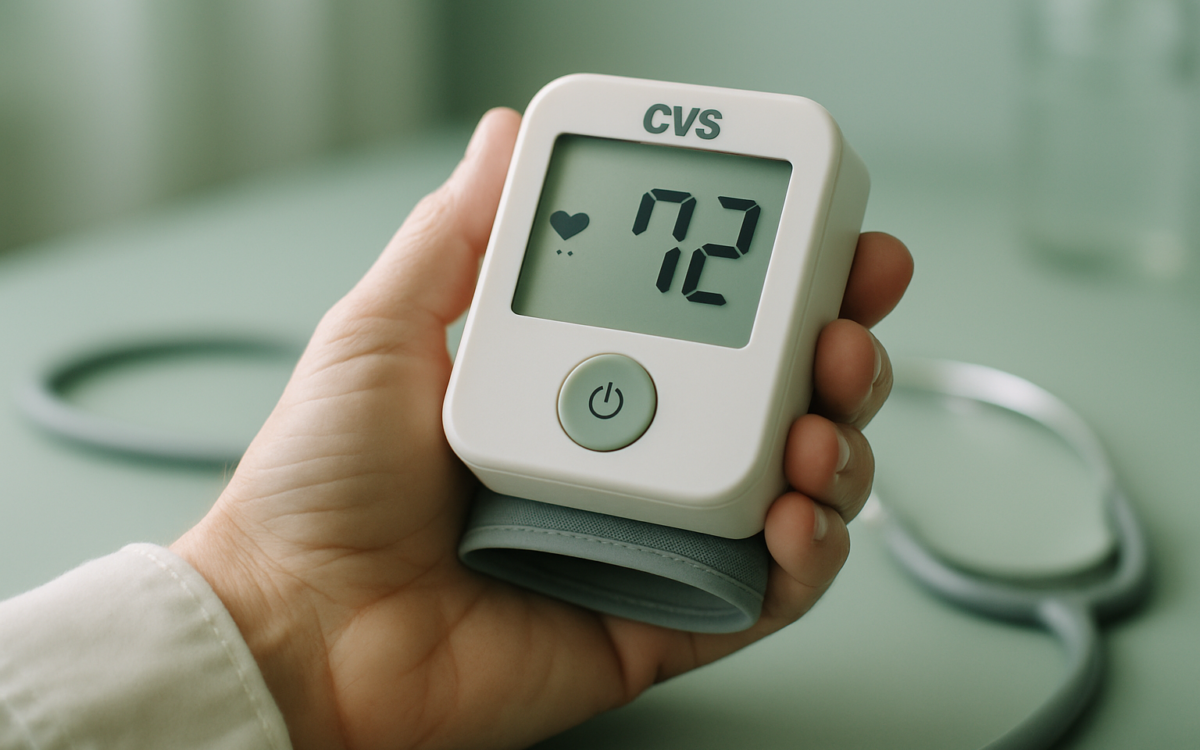
Heart health is a vital aspect of overall well-being, and monitoring your heart rate can provide invaluable insights into how your body functions during various activities. As people increasingly take charge of their health, tools like heart rate monitors have become popular. Among various options available, CVS offers several heart rate monitors that cater to different needs. This article explores the benefits and features of CVS heart rate monitors to help you make an informed choice.
What is a Heart Rate Monitor?
A heart rate monitor is a device that tracks your heart rate during various activities, from rest to intense exercise. By continuously measuring your heart rate, these devices can provide real-time feedback, helping users understand their cardiovascular system better. Monitoring heart rate is especially crucial for individuals with specific health conditions, but it can be beneficial for anyone looking to improve their fitness.
Types of Heart Rate Monitors Available at CVS
CVS offers a range of heart rate monitors, appealing to different preferences and usage scenarios. Here are some common types you might encounter:
- Chest Strap Monitors: These monitors typically provide the most accurate heart rate readings. They consist of a strap worn around the chest that detects electrical signals from the heart.
- Wrist-Worn Monitors: Often resembling fitness trackers, these devices offer convenience by being worn on the wrist. They use optical sensors to measure heart rate.
- Smartphone-Compatible Monitors: Some monitors can connect to your smartphone to provide more detailed data and insights through companion apps.
Why Use a Heart Rate Monitor?
There are several reasons why using a heart rate monitor can be advantageous:
- Improves Fitness Levels: Understanding your heart rate zones (resting, moderate, vigorous) can help tailor your workouts for maximum effectiveness.
- Monitors Health Conditions: For individuals with heart disease or other cardiovascular conditions, a heart rate monitor can help track their condition and inform necessary lifestyle adjustments.
- Encourages Consistency: By tracking your heart rate, you’re more likely to maintain a consistent exercise routine, leading to improved heart health over time.
Features to Look for in a CVS Heart Rate Monitor
When selecting a heart rate monitor, consider features that match your lifestyle and goals. Here are some key features to look out for:
- Real-Time Heart Rate Monitoring: It’s essential that the device gives you current heart rate data as you exercise.
- Heart Rate Zone Alerts: Many monitors can notify you when your heart rate reaches certain zones, helping optimize your workout.
- Battery Life: Choose a monitor with a battery life that suits your usage needs, especially if you plan on using it frequently.
- Water Resistance: If you plan to use your monitor while swimming or in wet conditions, ensure it’s water-resistant.
How to Use a Heart Rate Monitor Effectively
To get the most out of your heart rate monitor, consider the following tips:
- Follow the Instructions: Carefully read the user manual to understand how to use your specific device properly.
- Warm Up First: Before starting a workout, warm up your body to ensure accurate readings.
- Check Position: If you’re using a chest strap monitor, make sure it’s snug and positioned correctly for the best signal.
Understanding Your Heart Rate Readings
Interpreting heart rate readings can provide valuable insights:
- Resting Heart Rate: A lower resting heart rate typically indicates better cardiovascular fitness. For most adults, a range of 60–100 beats per minute is considered normal.
- Target Heart Rate Zones: Depending on your age and fitness level, achieving and maintaining a certain heart rate during exercise can enhance health benefits. The American Heart Association suggests aiming for 50–85% of your maximum heart rate during workouts (220 minus your age).
When to See a Doctor
If you experience any of the following symptoms while monitoring your heart rate, it is essential to consult your doctor:
- Irregular heartbeat or palpitations
- Dizziness or fainting
- Chest pain
- Shortness of breath with minimal exertion
Conclusion
Heart rate monitors from CVS are valuable tools that empower individuals to take charge of their heart health. By understanding your heart rate, you can make informed decisions about exercise, monitor health conditions, and maintain a healthier lifestyle. Always consult with a healthcare professional when incorporating new health monitoring devices into your routine, particularly if you have existing medical concerns. Whether you’re a fitness enthusiast or just starting, a heart rate monitor can be an excellent companion on your health journey.
