
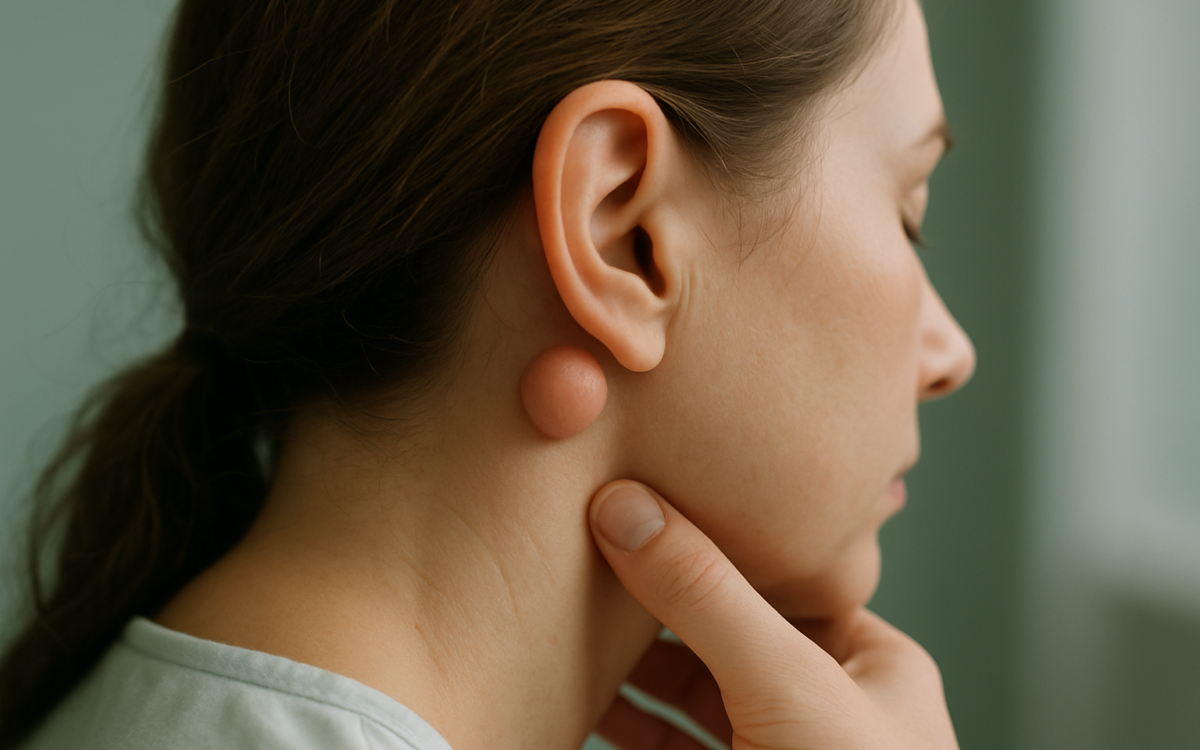
Cysts behind the ear can be surprising and often concerning when they appear. Understanding what these cysts are, their causes, and how they can affect your health is important for anyone experiencing this condition. While many cysts are harmless, knowing when to pay attention and seek help is crucial.
What Is a Cyst Behind the Ear?
A cyst behind the ear is a fluid-filled sac that can develop in various tissues, including the skin and sometimes deeper layers. They often feel like small lumps and can be soft or firm to the touch. Most cysts are benign, meaning they are not cancerous, but they can cause discomfort or become infected.
Types of Cysts
There are several types of cysts that can develop behind the ear:
- Sebaceous Cysts: These are the most common type and occur when hair follicles become blocked. They can become inflamed or infected, leading to redness and pain.
- Pilar Cysts: Often found on the scalp, these cysts can also occur behind the ear, appearing as smooth lumps. They are usually harmless and do not require treatment unless they become bothersome.
- Epidermoid Cysts: Similar to sebaceous cysts, these cysts form from skin cells that multiply in a confined area. They are generally harmless but may need to be removed if they grow large or become painful.
Causes of Ear Cysts
Cysts behind the ear can develop for various reasons. Some possible causes include:
- Blocked Hair Follicles: Just like the skin on the rest of your body, the skin behind your ear can develop cysts when hair follicles are blocked.
- Genetics: Some people have a family history of cyst formation, making them more susceptible.
- Skin Conditions: Conditions like acne can lead to blocked pores and subsequent cyst formation.
- Trauma: Previous injuries to the area may increase the risk of forming a cyst.
Symptoms of a Cyst Behind the Ear
Typically, cysts behind the ear can be identified by a few common symptoms:
- A small, movable lump near the ear
- Redness or swelling if the cyst is infected
- Pain or discomfort, especially if pressure is applied
- Possible drainage of fluid (in cases of infection)
While cysts can be asymptomatic, those that become inflamed or infected may require medical attention.
Treatment Options
Most cysts behind the ear do not require treatment unless they cause discomfort or become infected. Common treatment methods include:
- Observation: If the cyst is not causing any issues, your doctor may recommend simply monitoring it over time.
- Draining: If the cyst is infected or painful, doctors might drain the fluid to relieve pressure and discomfort.
- Surgical Removal: In cases of recurrent cysts or those that significantly impair quality of life, surgical intervention may be recommended.
For those seeking treatment outside their home country, many healthcare systems offer advanced care options. As noted on acibademinternational.com, patients can explore various treatment plans, including surgical techniques and post-operative care that may be available in international settings.
Prevention of Cysts
While it may not be possible to prevent all cysts, certain practices can help minimize your risk:
- Regularly cleaning the area behind your ears can help prevent oil and debris buildup.
- Avoid picking at or irritating the skin around the ears.
- Monitoring any skin conditions with a healthcare provider can lead to better management and reduce cyst risk.
By maintaining good skin hygiene and being aware of any changes, you can help keep cysts at bay.
When to See a Doctor
If you notice a lump behind your ear that is growing, painful, or showing signs of inflammation, it’s important to consult a healthcare provider. Signs to watch for include:
- Persistent or worsening pain
- Increased redness and swelling
- Foul-smelling drainage from the cyst
- Fever or other signs of infection
A healthcare professional can provide a proper diagnosis and recommend appropriate treatment options.
Conclusion
Cysts behind the ear are common and often harmless, but they can cause discomfort or anxiety. Understanding the types, causes, and treatments available can help demystify this condition. If you’re concerned about a lump behind your ear, don’t hesitate to reach out to a healthcare provider for advice and guidance.
