
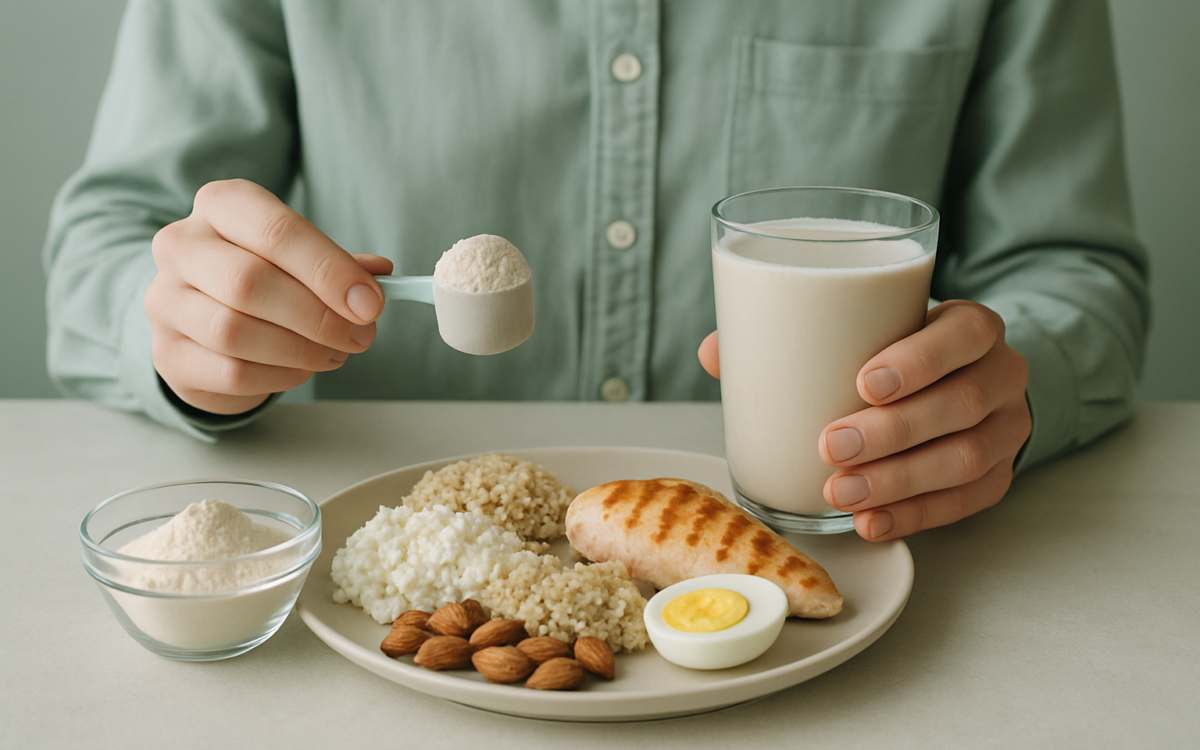
Protein is one of the three main macronutrients that our bodies need to function efficiently. It plays a crucial role in building muscles, repairing tissues, and producing essential hormones and enzymes. But how much protein should you aim to consume daily? This article will break down the protein needs of various individuals to help you understand your requirements better.
Why is protein important?
Protein is fundamental for several functions in our body. Here are a few reasons why it is important:
- Muscle repair and growth: After exercise or even daily activities, protein helps repair and build muscle tissues.
- Enzymatic functions: Proteins are crucial to creating enzymes that facilitate biochemical reactions in the body.
- Immune function: Antibodies, which fight off infections, are made of proteins.
- Hormonal balance: Many hormones, such as insulin, are proteins that help regulate bodily functions.
How much protein do you need?
The amount of protein an average adult requires varies based on several factors, including age, sex, weight, and activity level. According to the National Institutes of Health, the general recommendation is around 46 grams per day for women and 56 grams for men. However, individual needs may vary.
Factors affecting protein needs
There are specific groups of people who may require more protein than the general recommendation. Below are some of those factors and groups:
1. Age
As we age, our body tends to lose muscle mass, making it essential to consume enough protein to maintain muscle and overall health. Older adults may benefit from higher protein intake, especially to prevent sarcopenia, the age-related loss of muscle mass.
2. Activity Level
Fitness enthusiasts or athletes require more protein to recover from workouts and support muscle growth. For those engaging in regular strength training or endurance sports, protein needs can vary from 1.2 to 2.0 grams per kilogram of body weight.
3. Weight Goals
If you’re looking to lose weight or maintain a healthy weight, increasing protein intake can help you feel full longer and preserve muscle mass during weight loss. Aiming for around 1.6 grams per kilogram of body weight may be beneficial.
4. Health Conditions
Certain health conditions may increase your protein needs. For example, people recovering from surgery or dealing with illnesses like cancer might need extra protein to aid healing and recovery.
Sources of protein
When looking to meet your daily protein goals, it’s vital to choose a variety of protein sources. Here are some excellent sources of protein:
- Animal-based sources: Chicken, turkey, fish, eggs, dairy (like yogurt and cheese).
- Plant-based sources: Legumes (beans, lentils), nuts, seeds, tofu, tempeh, and whole grains.
- Protein supplements: While whole foods are preferred, protein powders can be helpful for those with higher needs or busy lifestyles.
How to evaluate protein intake
If you’re unsure whether you’re getting enough protein, tracking your intake for a week can be helpful. Many apps are available that can help you monitor your macros and ensure you’re meeting your protein goals. Consider consulting a registered dietitian who can offer personalized advice based on your individual needs.
When to see a doctor
If you’re unsure about how much protein you should be consuming, or if you suspect a protein deficiency, it’s advisable to consult a healthcare professional. Additionally, if you experience symptoms like fatigue, hair loss, or unexplained weight loss, it’s essential to seek medical advice. They can help assess your dietary needs and overall health.
In conclusion, understanding your daily protein needs is a vital step towards achieving a balanced diet. While general guidelines provide a good starting point, individual factors like age, activity level, and health goals play a significant role in determining the amount of protein that’s right for you. By focusing on a variety of high-quality protein sources, you can ensure that you’re meeting your nutritional needs and supporting your overall health.
