
Imagine a day when you can smile confidently, eat your favorite foods without hesitation, and enjoy life to the fullest. For people who have lost one or more teeth, dental implants offer a practical and effective solution. But did you know that a periodontist plays a crucial role in the dental implant process? This article will help you understand the importance of periodontists in the world of dental implants.
What Are Dental Implants?
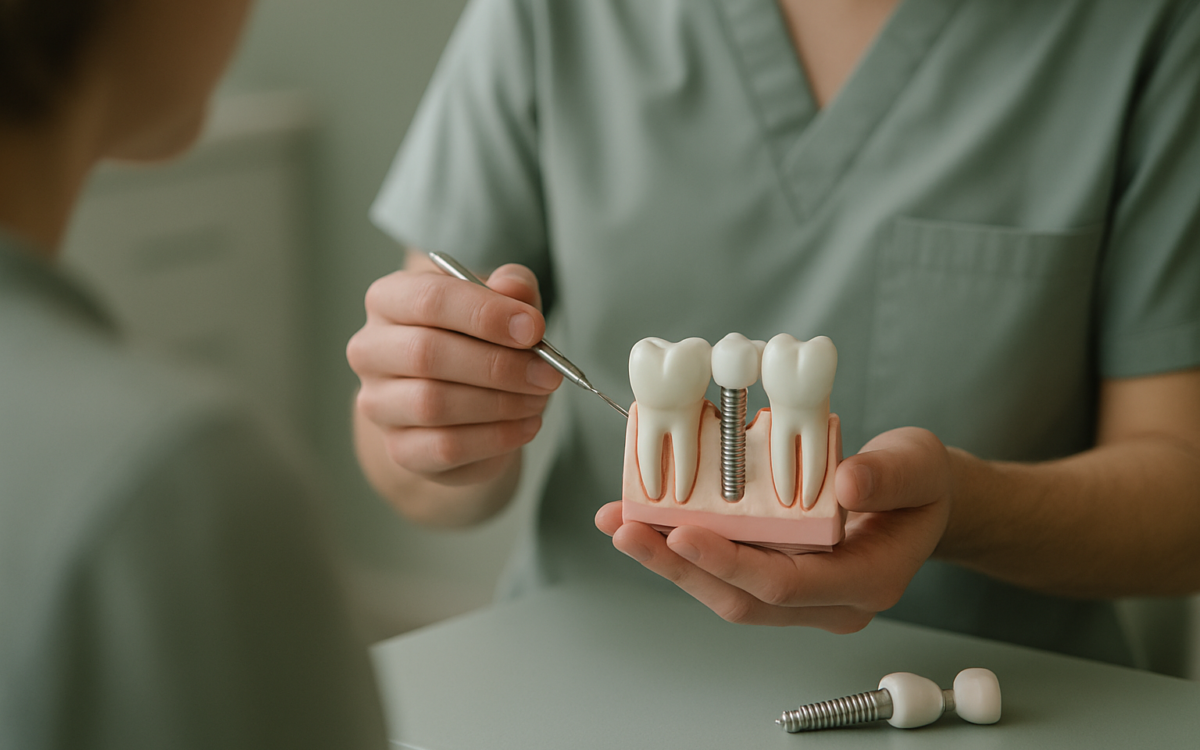
Dental implants are artificial tooth roots, usually made of titanium, that are surgically placed into the jawbone. Once secure, they can support crowns, bridges, or dentures, effectively replacing missing teeth. Because they integrate with the bone, they provide a stable and permanent solution compared to dentures or bridges, which can shift or require constant adjustment.
Why See a Periodontist?
A periodontist specializes in treating the gums and supporting structures of the teeth, making them crucial for successful dental implant procedures. Here are some reasons why you might need to consult a periodontist:
- Expertise in Gum Health: Healthy gums are vital for dental implants. Periodontists assess the condition of your gums and surrounding bone to ensure a successful procedure.
- Bone Health Evaluation: Periodontists determine whether your jawbone can support an implant. If bone loss has occurred, they may recommend procedures to restore bone density, such as bone grafting.
- Tailored Treatment Plans: Each patient’s needs are different. A periodontist can create a customized treatment plan to address your specific dental health challenges.
The Dental Implant Process
The journey to getting dental implants involves several steps, many of which require the expertise of a periodontist:
1. Initial Consultation
During your first visit, the periodontist will conduct a thorough examination, including X-rays and possibly 3D imaging to assess bone structure and gum health. They will also review your medical history and discuss any concerns you might have.
2. Preparation
If your gums or bone need treatment, such as gum disease management or bone grafts, the periodontist will perform these procedures before the implant can be placed. Healing time will be necessary for these areas to recover.
3. Implant Placement
Once everything is ready, the periodontist will place the dental implant into your jawbone. This procedure is often performed under local anesthesia, and you may feel only minimal discomfort afterward.
4. Healing Phase
After placement, the implant will need time to integrate with the jawbone. This process, called osseointegration, usually takes several months. During this period, the periodontist will monitor your healing progress.
5. Attachment of the Crown
Once the implant has successfully fused with the bone, a crown is attached. Your periodontist will ensure that the crown fits comfortably and looks natural.
Benefits of Dental Implants
Choosing dental implants has several advantages:
- Improved Appearance: Dental implants look and feel like natural teeth, giving you a more confident smile.
- Enhanced Comfort: Unlike dentures, implants don’t slip or cause discomfort. You can eat and speak without worry.
- Durability: With proper care, dental implants can last many years, and some may even last a lifetime.
- Bone Preservation: Implants stimulate jawbone growth, helping to maintain bone density and facial structure.
Caring for Dental Implants
After getting dental implants, maintaining good oral hygiene is vital for their longevity. Here are some tips for care:
- Brush your teeth at least twice a day with a soft-bristled toothbrush.
- Use dental floss or a water flosser to clean around the implants.
- Visit your dentist regularly for check-ups and cleanings.
- Avoid tobacco products, as they can hinder healing and increase failure rates.
When to See a Doctor
If you’re experiencing ongoing pain, swelling, or other unusual symptoms around your dental implants, it’s essential to consult your periodontist or dentist promptly. They can help identify any potential issues and recommend appropriate treatment.
Conclusion
Dental implants can dramatically improve your quality of life and oral health. A periodontist is an essential partner in this process, guiding you from evaluations through to aftercare. If you’re considering dental implants, take the first step by reaching out to a qualified periodontist for an evaluation. With their expertise, you can find the best path to a confident and healthy smile.
