
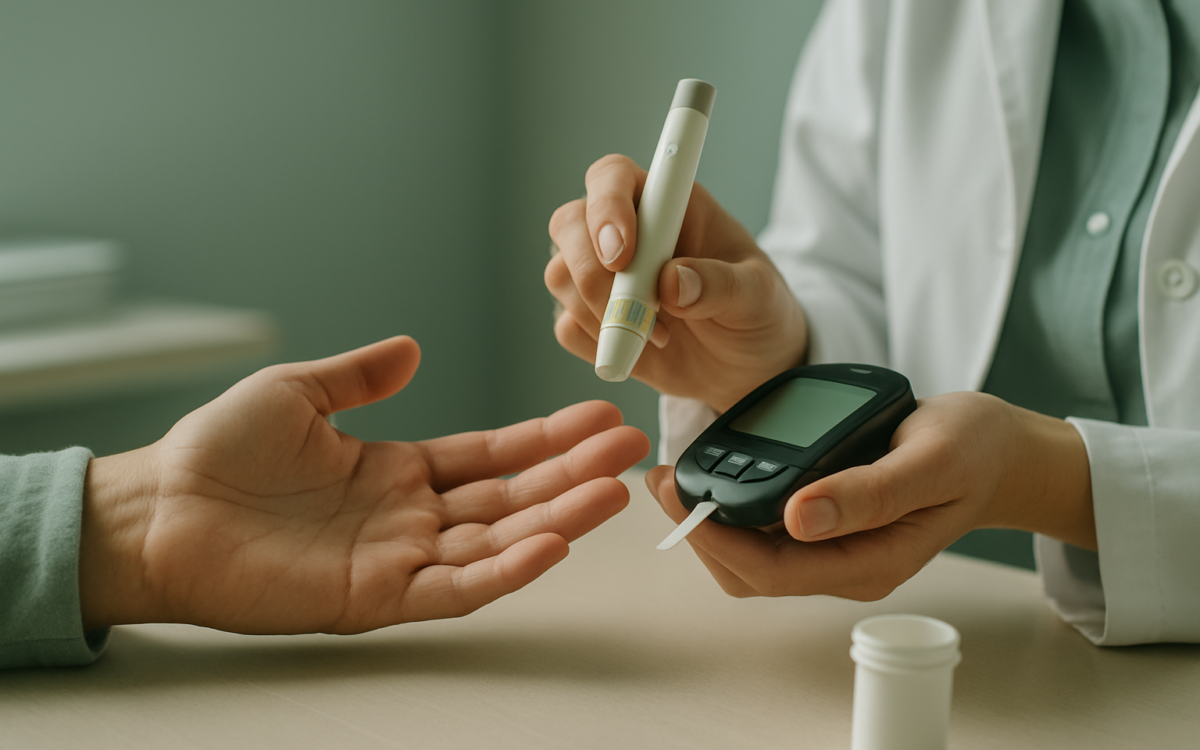
Diabetes is a chronic condition that affects millions of people worldwide. It occurs when the body can’t effectively use insulin, leading to high blood sugar levels. Diagnosing diabetes correctly is crucial for effective management and treatment. This article will walk you through how diabetes is diagnosed, including the symptoms to look out for and the various tests involved.
Recognizing the Symptoms of Diabetes
Before diving into the diagnostic process, it’s essential to recognize the common symptoms of diabetes. These symptoms can vary between type 1 and type 2 diabetes, and may include:
- Increased thirst and frequent urination
- Extreme hunger
- Unexplained weight loss
- Fatigue
- Blurred vision
- Sores that take a long time to heal
- Numbness or tingling in the hands or feet
If you notice any of these signs, it may be time to consult a healthcare professional for further evaluation.
Initial Screening for Diabetes
In many cases, diabetes is diagnosed during routine health check-ups. These screenings may include blood tests to evaluate your blood sugar levels. According to the CDC, testing is recommended for individuals who are overweight and aged 45 or older, or for younger individuals with risk factors such as a family history of diabetes.
Types of Tests Used to Diagnose Diabetes
There are several tests used to diagnose diabetes. Each test measures blood sugar levels in different ways:
1. Fasting Blood Sugar Test
This test measures your blood sugar level after an overnight fast. A level of 126 mg/dL (milligrams per deciliter) or higher indicates diabetes.
2. Oral Glucose Tolerance Test (OGTT)
For this test, you will fast overnight, then drink a sugary solution. Your blood sugar levels will be tested at intervals afterward. A blood sugar level of 200 mg/dL or higher two hours after drinking the solution indicates diabetes.
3. A1C Test
The A1C test measures your average blood sugar levels over the past two to three months. An A1C of 6.5% or higher indicates diabetes. This test can also help track the disease’s management over time.
4. Random Blood Sugar Test
A blood sample can be taken at any time, regardless of when you last ate. A random blood sugar level of 200 mg/dL or more suggests diabetes, especially if accompanied by symptoms.
Understanding the Results
Interpreting diabetes test results can be complicated. Here’s a quick reference:
Fasting Blood Sugar:
- Normal: Less than 100 mg/dL
- Prediabetes: 100 mg/dL to 125 mg/dL
- Diabetes: 126 mg/dL or higher
A1C Levels:
- Normal: Below 5.7%
- Prediabetes: 5.7% to 6.4%
- Diabetes: 6.5% or higher
Knowing what these figures mean can help you understand your risk levels and prompt necessary lifestyle changes or treatments.
Additional Testing and Monitoring
For those diagnosed with diabetes, continuous monitoring is vital. This may include:
- Regular A1C tests to monitor average blood sugar levels
- Daily blood sugar checks to keep track of fluctuations
- Additional tests to assess kidney function, cholesterol levels, and blood pressure
It’s important to have these regular check-ups as they can help prevent complications related to diabetes, such as heart disease and nerve damage.
When to See a Doctor
If you experience symptoms of diabetes, such as increased thirst, frequent urination, and weight loss, or if you’re at high risk, it’s essential to consult a healthcare provider. Early diagnosis can make a significant difference in managing the condition effectively and mitigating potential complications. Additionally, people should have regular check-ups, especially if they fall into risk categories.
Conclusion
Understanding the diagnosis of diabetes is crucial for early intervention and management. By recognizing symptoms, participating in routine screenings, and knowing the tests involved, you can take proactive steps towards maintaining your health. If you have any concerns about diabetes or your risk factors, don’t hesitate to reach out to your healthcare provider for personalized guidance and testing options.
