
Diabetes is a chronic condition that affects millions of people worldwide. The good news is that with the right knowledge and strategies, diabetes can be effectively managed. This article will guide you through various ways to treat diabetes, including lifestyle changes, monitoring, medications, and more.
Understanding Diabetes Types
Before diving into treatment strategies, it’s important to recognize the two main types of diabetes:
- Type 1 Diabetes: This is an autoimmune condition where the body fails to produce insulin.
- Type 2 Diabetes: Often related to lifestyle factors, Type 2 diabetes occurs when the body doesn’t use insulin efficiently.
Each type requires a different approach to treatment, emphasizing the need for a tailored management plan.
Healthy Eating: A Cornerstone of Management
Diet plays a crucial role in managing diabetes. Eating well can help regulate blood sugar levels and reduce the risk of complications. Here are some dietary tips:
Choose Nutrient-Dense Foods
Opt for whole foods that have a low glycemic index (GI). Examples include:
- Whole grains
- Fruits and vegetables
- Lean proteins
- Healthy fats, such as avocados and olive oil
Stay Hydrated
Drinking plenty of water can help regulate blood sugar levels. Try to avoid sugary drinks, which can spike glucose levels.
Regular Physical Activity
Exercise is another essential part of managing diabetes. Regular physical activity can improve insulin sensitivity and help control weight. Here are some recommendations:
Aim for Consistency
Strive for at least 150 minutes of moderate-intensity exercise each week. Activities can include:
- Walking
- Cycling
- Swimming
- Strength training
Incorporate Fun Activities
Find activities you enjoy. Engaging in enjoyable exercise can make it easier to stick with your routine.
Monitoring Blood Sugar Levels
Keeping track of your blood sugar levels is essential for diabetes management. Regular monitoring can help you understand how certain foods, activities, and medications affect your glucose levels.
Using a Glucose Meter
A glucose meter measures your blood sugar levels. It’s essential to test at various times, such as:
- Before and after meals
- Before and after exercise
- Before bed
Recognizing Patterns
By tracking your blood sugar readings, you can identify patterns and make informed decisions about your diet and exercise.
Medications and Insulin Therapy
In addition to lifestyle changes, some individuals with diabetes may need medications or insulin therapy to manage their condition effectively.
Oral Medications
For those with Type 2 diabetes, several oral medications can help lower blood glucose levels, including:
- Metformin
- Sulfonylureas
- Thiazolidinediones
Insulin Therapy
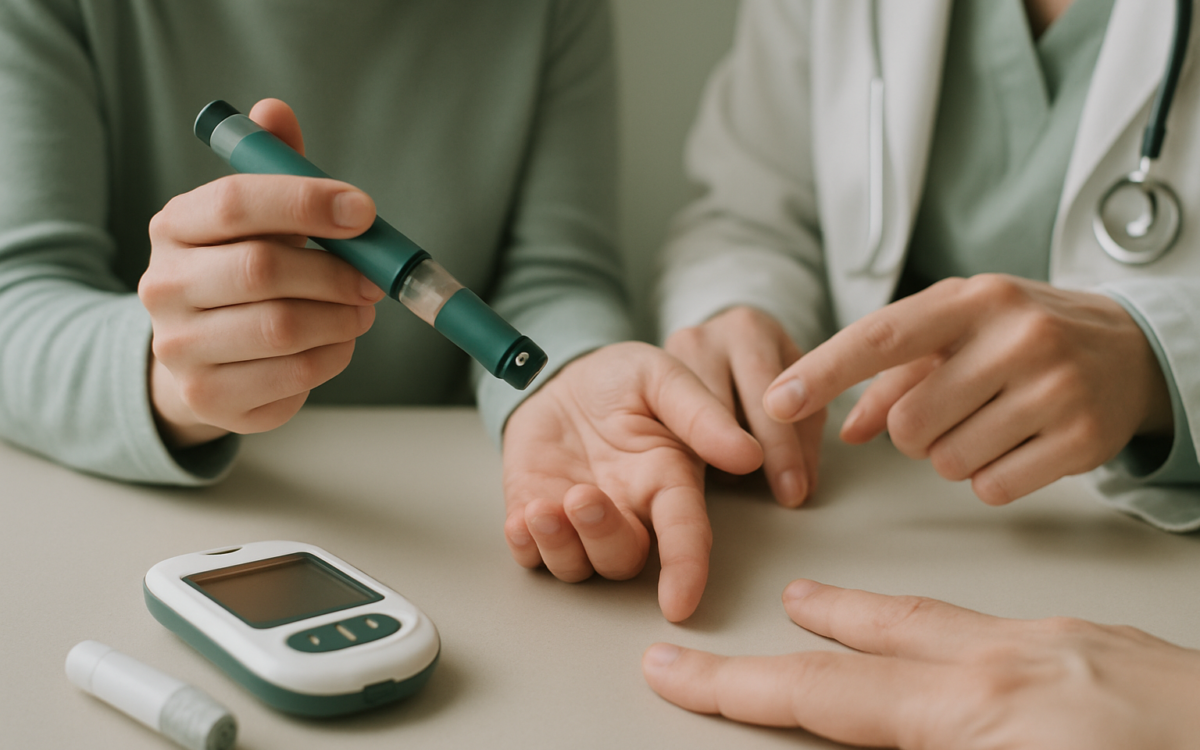
People with Type 1 diabetes and some with Type 2 may require insulin. Different types of insulin work at varying rates, and your healthcare provider can help you determine the best option. It’s critical to understand proper injection techniques and storage methods.
Stress Management
Lastly, managing stress is vital for diabetes control. Stress can cause fluctuations in blood sugar levels, making it harder to regulate your condition.
Mindfulness and Relaxation Techniques
Consider incorporating practices such as:
- Meditation
- Yoga
- Deep-breathing exercises
These activities can help reduce stress and promote emotional well-being.
When to See a Doctor
If you notice any unusual symptoms or have difficulty managing your diabetes, it’s important to consult your doctor. Seek medical advice if you experience:
- Consistently high or low blood sugar levels
- Unexplained weight loss
- Increased thirst or hunger
- Frequent urination
Conclusion
Managing diabetes involves a combination of a healthy lifestyle, regular monitoring, and sometimes medications. By focusing on diet, exercise, and mental health, individuals can take proactive steps towards effectively treating their diabetes. Always consult a healthcare professional for personalized advice and treatment plans to suit your unique needs.
