
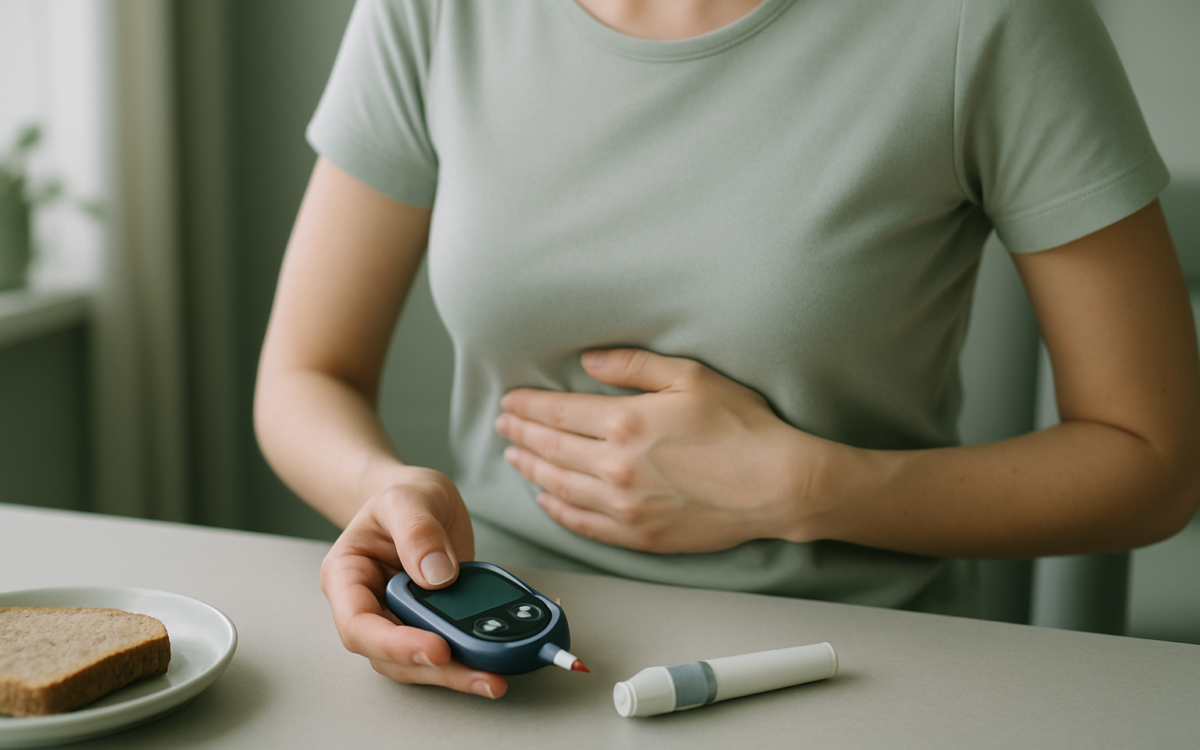
Diabetes mellitus (DM) is a medical condition that affects how your body processes blood sugar (glucose). As more people face the challenges of diabetes, understanding its symptoms becomes essential for early detection and effective management. Knowing the signs can help you or your loved ones recognize potential issues and seek medical advice promptly.
What is Diabetes Mellitus?
Diabetes mellitus encompasses a group of diseases that affect how your body uses blood sugar. The main types are Type 1 diabetes, Type 2 diabetes, and gestational diabetes. Type 1 occurs when the body fails to produce insulin, while Type 2 usually involves insulin resistance. Gestational diabetes develops during pregnancy and typically resolves after giving birth.
Common Symptoms of Diabetes Mellitus
The symptoms of diabetes can vary depending on the individual and type of diabetes, but several common signs may indicate an issue:
- Frequent Urination: Increased urination can occur as your body tries to rid itself of excess sugar by flushing it out through urine.
- Increased Thirst: Frequent urination leads to dehydration, causing excessive thirst.
- Increased Hunger: Even after eating, you may feel hungry because your body isn’t utilizing glucose properly.
- Fatigue: Without enough insulin, your body may not have the energy it needs, leading to tiredness.
- Blurred Vision: High blood sugar levels can cause swelling in the lenses of your eyes, affecting your ability to see.
- Slow Healing of Wounds: Diabetes can impair your body’s natural healing process.
Signs of Diabetes Complications
As diabetes progresses, complications may arise that can indicate a more severe issue:
- Frequent Infections: Recurrent infections, especially in the gums, skin, and urinary tract, can be a sign of uncontrolled diabetes.
- Nerve Damage: Tingling, pain, or numbness in the hands and feet may indicate diabetic neuropathy.
- Skin Changes: Dark patches of skin, especially in areas where skin folds occur, may signal insulin resistance.
Understanding the Importance of Monitoring Symptoms
Being aware of these symptoms allows for early intervention. Regular check-ups and monitoring your blood sugar levels can help you stay informed about your health. If you experience any of these symptoms, it’s important to discuss them with your healthcare provider. Early diagnosis and management can significantly reduce the risk of complications associated with diabetes.
Types of Diabetes: Symptoms and Differences
Type 1 Diabetes
With Type 1 diabetes, symptoms typically develop quickly. Children and young adults most often develop this type. In addition to the common symptoms listed, individuals might also experience sudden weight loss.
Type 2 Diabetes
Type 2 diabetes tends to develop gradually, often over several years. Many people might have this type without knowing, as symptoms can be mild or go unnoticed.
Gestational Diabetes
This type of diabetes occurs during pregnancy and often does not cause noticeable symptoms. However, if you are pregnant, it’s essential to be screened to ensure you and your baby remain healthy.
Preventing Diabetes and Its Symptoms
While not all diabetes is preventable, certain lifestyle choices can lower your risk:
- Maintain a Healthy Weight: Being overweight increases your risk of Type 2 diabetes.
- Regular Exercise: Engaging in physical activity helps control weight and manage blood sugar levels.
- Eat a Balanced Diet: Focus on whole foods, including fruits, vegetables, lean proteins, and whole grains.
- Avoid Tobacco Use: Smoking increases the risk of diabetes and cardiovascular diseases.
When to See a Doctor
If you notice any of the common symptoms associated with diabetes, it’s essential to consult your doctor. Early intervention can lead to better management of the condition and help prevent potential complications. Additionally, if you have a family history of diabetes or are at risk due to lifestyle factors, regular screenings are advisable.
Conclusion
Recognizing the symptoms of diabetes mellitus is vital for timely intervention and management. Whether you’re experiencing frequent thirst or more severe complications, it’s important to pay attention to these signs. By staying informed and proactive regarding your health, you can take meaningful steps towards a healthier future. For more detailed information, you can refer to resources from the CDC and NIH.
