
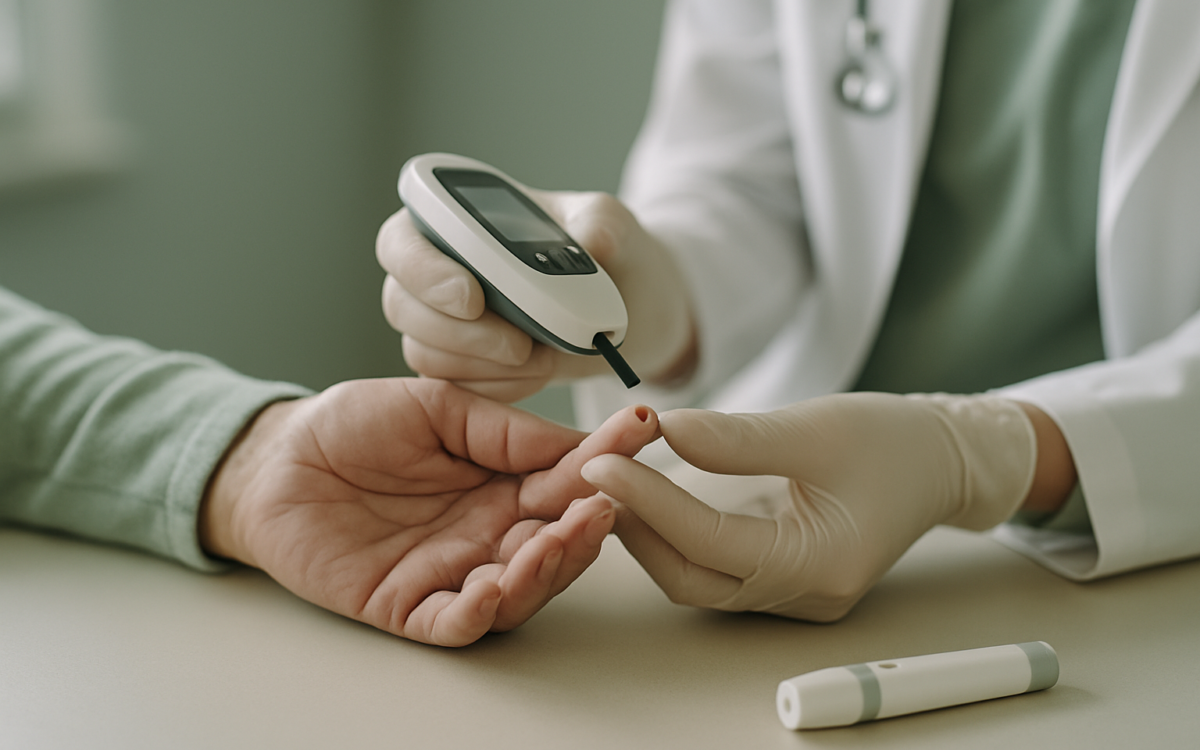
For many, the word ‘diabetes’ can be concerning. Yet, understanding how diabetes is tested can empower you with knowledge. Detecting diabetes early through reliable tests can significantly impact health outcomes, allowing individuals to manage their condition effectively.
Types of Diabetes
First, it’s essential to understand that there are different types of diabetes. The most common are:
- Type 1 Diabetes: A condition where the body doesn’t produce insulin.
- Type 2 Diabetes: This is when the body doesn’t use insulin properly.
- Gestational Diabetes: Occurs during pregnancy and may resolve after delivery.
Recognizing these types helps healthcare providers determine the best testing approach.
Importance of Testing for Diabetes
Testing for diabetes is crucial because it helps identify whether you have the condition and what type it is. Early detection leads to better management, reducing the risk of complications like heart disease, kidney damage, and nerve problems. More than 34 million Americans are living with diabetes, many of whom may be unaware of their condition (CDC). That’s why routine testing is so important.
Common Tests for Diabetes
When testing for diabetes, doctors typically use a few standard methods:
1. Fasting Blood Glucose Test
This test measures blood sugar levels after an overnight fast (not eating or drinking anything except water for at least eight hours). A normal fasting blood glucose level is less than 100 mg/dL. Levels between 100 and 125 mg/dL indicate prediabetes, while 126 mg/dL or higher suggests diabetes.
2. Oral Glucose Tolerance Test (OGTT)
This test assesses how the body processes glucose. After fasting, you drink a sugary solution, and your blood sugar levels are tested two hours later. A level below 140 mg/dL is considered normal; 140 to 199 mg/dL indicates prediabetes, and 200 mg/dL or higher points to diabetes.
3. A1C Test
The A1C test measures average blood sugar levels over the past two to three months. This test doesn’t require fasting and provides a broader overview of blood sugar control. An A1C result of less than 5.7% is normal, while 5.7% to 6.4% implies prediabetes, and 6.5% or higher confirms diabetes.
4. Random Blood Sugar Test
A random blood sugar test can be conducted at any time, regardless of when you last ate. In this case, a blood sugar level of 200 mg/dL or higher suggests diabetes.
It’s crucial to note that a single test result is not definitive. Physicians often repeat tests to confirm a diagnosis.
Process of Testing
When you visit your doctor to get tested for diabetes, here’s what you can typically expect:
- Consultation: Your doctor will review your medical history and discuss risk factors such as family history, weight, and symptoms.
- Testing: Depending on your situation, they will recommend the necessary tests mentioned earlier.
- Interpretation: After receiving your results, your doctor will explain what they mean and, if necessary, discuss appropriate lifestyle changes or medications.
If you are considering testing in a different country, it’s worth knowing that many providers offer international patient services for those seeking high-quality medical care abroad.
What Happens After Diagnosis?
If diabetes is diagnosed, your healthcare team will work with you to develop a management plan. This may include:
- Lifestyle Changes: Adopting a healthier diet, increasing physical activity, and maintaining a healthy weight are crucial.
- Monitoring: Regular blood sugar checks help keep control of your diabetes.
- Medications: Depending on the type of diabetes and your individual needs, medications or insulin therapy may be necessary.
Continuous education and support from healthcare professionals can empower you in managing your condition effectively.
When to See a Doctor
If you experience symptoms such as excessive thirst, frequent urination, extreme fatigue, blurred vision, or slow-healing sores, it’s crucial to consult a healthcare provider promptly. Early evaluation can lead to timely intervention and better management outcomes.
Conclusion
Understanding how diabetes is tested helps demystify the process and reinforces the importance of early detection. With reliable tests like the fasting blood glucose, A1C, and oral glucose tolerance test available, staying informed can lead you to a healthier future. If you suspect you may have diabetes or are at risk, reaching out to your doctor can set you on the path to effective management.
