
Diabetes is a condition that affects how your body processes glucose, a type of sugar that serves as a main source of energy. Glucose comes from the foods we eat, and when your body is functioning properly, it uses insulin—a hormone produced by the pancreas—to help cells absorb glucose. However, for some people, insulin production is insufficient, or their bodies do not respond effectively to insulin. This leads to high blood sugar levels, which can have serious consequences if left unmanaged. In this article, we will define diabetes more comprehensively, discuss its types, explore symptoms, and outline management strategies.
What is Diabetes?
To define diabetes, we can start with the fact that it is not just a single disease, but a group of related conditions all revolving around problems with insulin production and use. According to the CDC, diabetes can lead to a buildup of sugar in the bloodstream, which can result in health complications over time. It is estimated that over 34 million Americans have diabetes, illustrating its prevalence and importance as a public health concern.
Types of Diabetes
There are three primary types of diabetes: Type 1, Type 2, and gestational diabetes.
Type 1 Diabetes
Type 1 diabetes is an autoimmune condition where the immune system mistakenly attacks the insulin-producing cells in the pancreas. This results in little or no insulin being made. It is often diagnosed in children or young adults, which is why it was previously known as juvenile diabetes. Individuals with Type 1 diabetes need to take insulin injections for life to manage their blood sugar levels.
Type 2 Diabetes
Type 2 diabetes, which is more common than Type 1, usually develops in adults and is linked to lifestyle factors such as obesity and inactivity. In this case, the body either becomes resistant to insulin or does not produce enough insulin to maintain normal glucose levels. While Type 2 diabetes can sometimes be managed with lifestyle changes like diet and exercise, some individuals may require medication or insulin therapy.
Gestational Diabetes
Gestational diabetes occurs during pregnancy when the body cannot produce enough insulin to meet the heightened needs. Although it typically resolves after giving birth, women with gestational diabetes are at a higher risk of developing Type 2 diabetes later in life. Monitoring blood sugar levels during pregnancy is crucial for both the mother and the baby.
Common Symptoms of Diabetes
Recognizing the symptoms of diabetes is vital for early diagnosis and treatment. Here are some common signs to watch for:
- Frequent urination
- Increased thirst
- Extreme hunger
- Unintended weight loss
- Fatigue and weakness
- Blurred vision
- Slow-healing sores or frequent infections
These symptoms can differ depending on the type of diabetes. In Type 1 diabetes, symptoms may develop suddenly, while in Type 2 diabetes, symptoms often develop gradually and may go unnoticed for years. If you experience any of these symptoms, it’s essential to consult with a healthcare professional.
Managing Diabetes
Managing diabetes involves a combination of lifestyle changes, monitoring blood sugar levels, and potentially medication. Here are some key management strategies.
Healthy Eating
A balanced diet is crucial for maintaining blood sugar levels. This includes eating a variety of foods such as:
- Fruits and vegetables
- Whole grains
- Lean proteins
- Healthy fats
Individuals should also be mindful of carbohydrate intake, which can significantly impact blood glucose levels.
Physical Activity
Regular exercise plays an essential role in managing diabetes by helping control weight, reduce blood sugar levels, and improve overall cardiovascular health. Aim for at least 150 minutes of moderate aerobic activity each week, as recommended by the NIH.
Monitoring Blood Sugar Levels
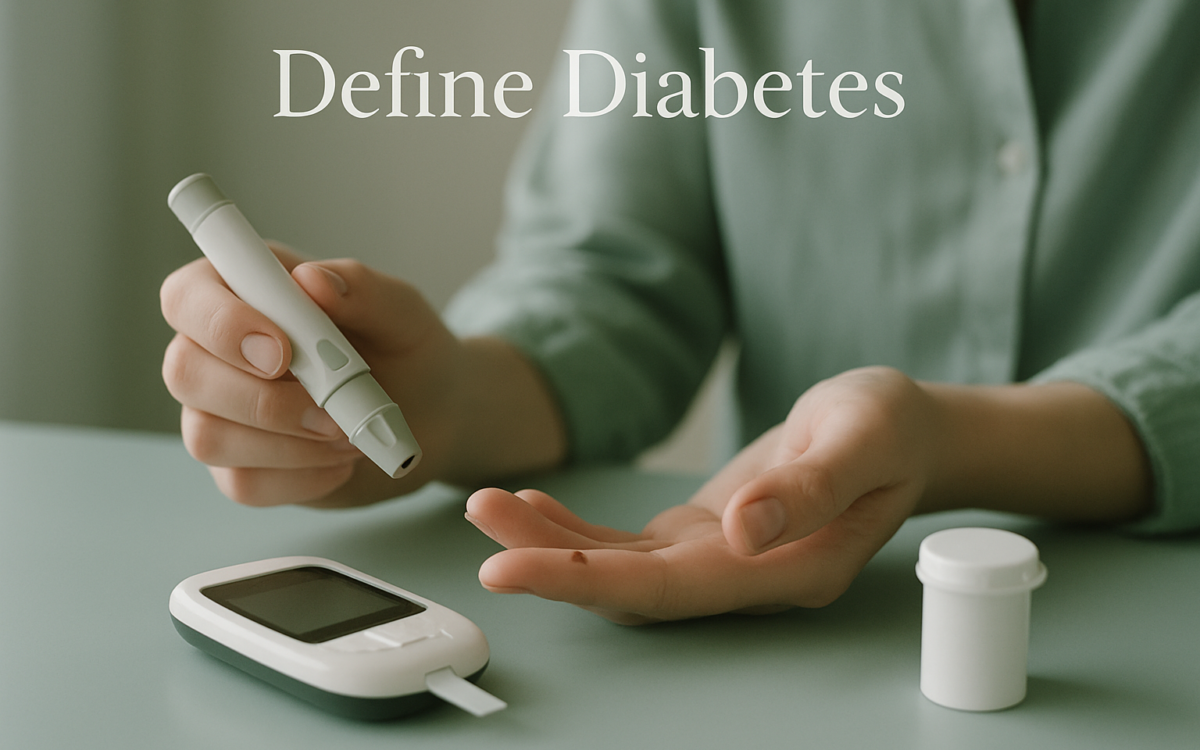
Frequent blood sugar testing can help individuals understand how their diet, exercise, and medications affect their glucose levels. For those with Type 1 diabetes, monitoring is essential for adjusting insulin doses. For those with Type 2 diabetes, monitoring helps assess how well management strategies are working.
Medications and Insulin Therapy
Some individuals may require medications to help control their blood sugar levels. In Type 2 diabetes, this can include oral medications or non-insulin injectables. Type 1 diabetes requires insulin therapy as the primary form of management.
When to See a Doctor
If you notice symptoms of diabetes or have risk factors such as a family history of the disease, it’s important to seek medical advice. Early diagnosis and management can significantly lessen the complications associated with diabetes, such as heart disease, kidney failure, blindness, and nerve damage.
Conclusion
Diabetes is a complex condition that requires understanding and proactive management. By recognizing the signs, knowing the types, and implementing effective management strategies, individuals can lead healthy lives despite the challenges of diabetes. Always consult a healthcare provider for personalized advice tailored to your specific situation.
