
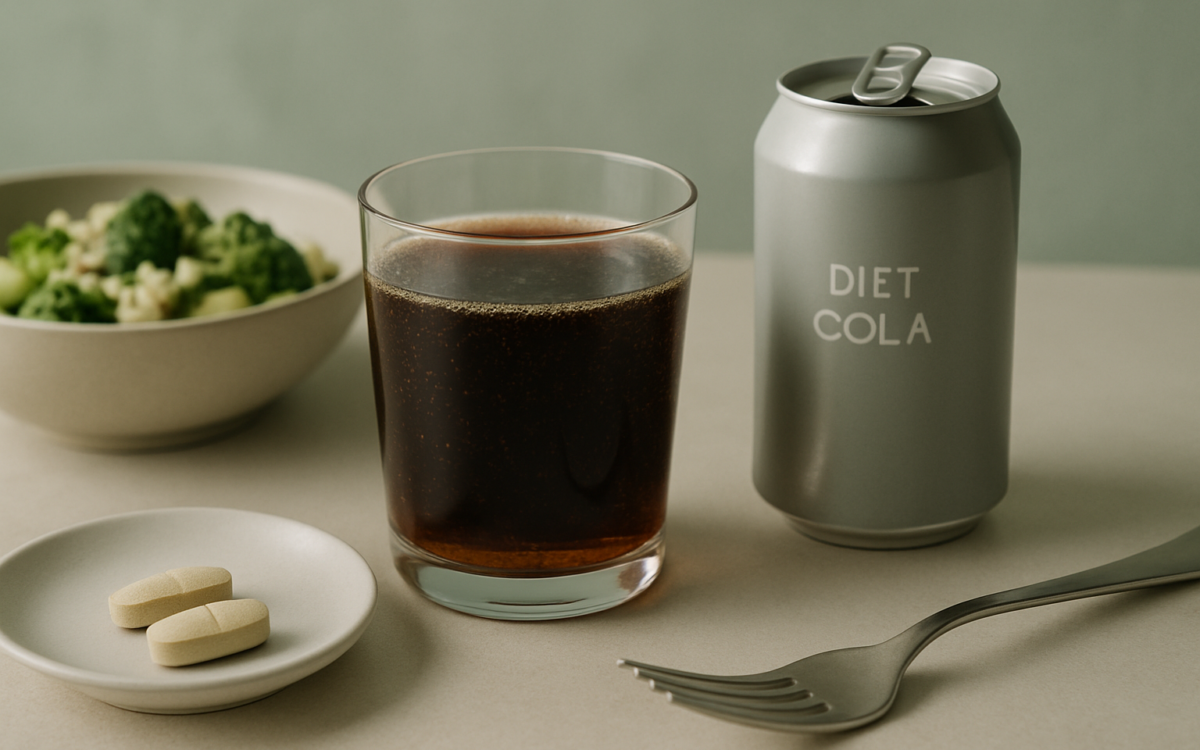
For many of us, diet cola is a go-to beverage, especially when we’re looking to cut calories yet still enjoy a fizzy drink. But what exactly does diet cola contain, and how does its nutrition compare to regular soda? Understanding the nutritional aspect of diet cola can help you make informed choices about your beverage consumption.
The Basics of Diet Cola
Diet cola is a sugar-free soft drink that uses artificial sweeteners to mimic the taste of conventional cola. It’s primarily marketed to individuals seeking to reduce calorie intake or manage their weight. But while the calorie count may be attractive, there’s more to these drinks than just numbers.
Nutritional Profile
Typically, a standard serving of diet cola contains:
- Calories: 0
- Sugar: 0 grams
- Carbohydrates: 0 grams
- Caffeine: varies by brand (around 30-50 mg per 12 oz)
These numbers indicate that diet cola can be a very low-calorie beverage option. However, it’s essential to look beyond just calories to understand the complete nutritional profile. The primary ingredients often include:
- Carbonated water
- Artificial sweeteners (like aspartame or sucralose)
- Flavoring agents
- Citric or phosphoric acid
- Coloring agents (like caramel color)
Artificial Sweeteners: Safe or Not?
The sweet taste of diet cola comes from artificial sweeteners. Common types include aspartame, acesulfame potassium, and sucralose. These substances are FDA-approved and considered safe for most people when consumed within established guidelines. For instance, the CDC notes that these sweeteners can help reduce overall sugar and caloric intake, which is beneficial for those managing weight or blood sugar levels. However, some individuals may experience sensitivity to specific sweeteners, causing digestive issues.
The Health Debate: Pros and Cons
While diet cola can offer a zero-calorie alternative to regular soft drinks, there are ongoing debates regarding its overall health implications. Here are some of the key points on both sides:
Potential Benefits
- Weight Management: Substituting diet cola for regular soda can lower calorie intake, assisting in weight management efforts.
- Blood Sugar Control: For those with diabetes, diet sodas can offer a way to enjoy a sweet taste without affecting blood sugar levels.
Potential Concerns
- Appetite Regulation: Some studies suggest that artificial sweeteners might confuse your brain’s ability to regulate hunger, leading to increased appetite and potential overeating.
- Dental Health: Acidic beverages, including diet colas, can still contribute to tooth enamel erosion.
- Possible Health Risks: Some research has linked high consumption of artificial sweeteners to adverse health effects, such as metabolic syndrome and cardiovascular issues, although findings are mixed. For a study on these topics, refer to the National Institutes of Health.
Hydration and Diet Cola
A common misconception is that diet cola can hydrate you. While it does contain water, the caffeine content can have a mild diuretic effect — meaning it may cause you to urinate more frequently. This raises questions about its effectiveness for hydration. Drinking water is still the best method for staying hydrated, as outlined by the WHO. Diet cola should not be relied upon as a primary source of hydration.
Making Informed Choices
If you enjoy diet cola, moderation is key. Consider your overall beverage choices and dietary habits. It might be useful to limit your consumption of artificially sweetened beverages and increase your intake of water, herbal teas, or naturally flavored sparkling water. A balanced approach can help you enjoy your favorite fizz without overdoing it on artificial substances.
When to See a Doctor
If you experience negative side effects, such as digestive issues, while consuming diet cola or any artificial sweeteners, consider discussing it with a healthcare professional. They can guide you on the best dietary choices for your individual health needs.
In summary, while diet cola provides a low-calorie alternative to traditional soda, understanding its ingredients and potential effects can help you make informed choices. Always consider your personal health situation and consult with a healthcare provider as needed.
