
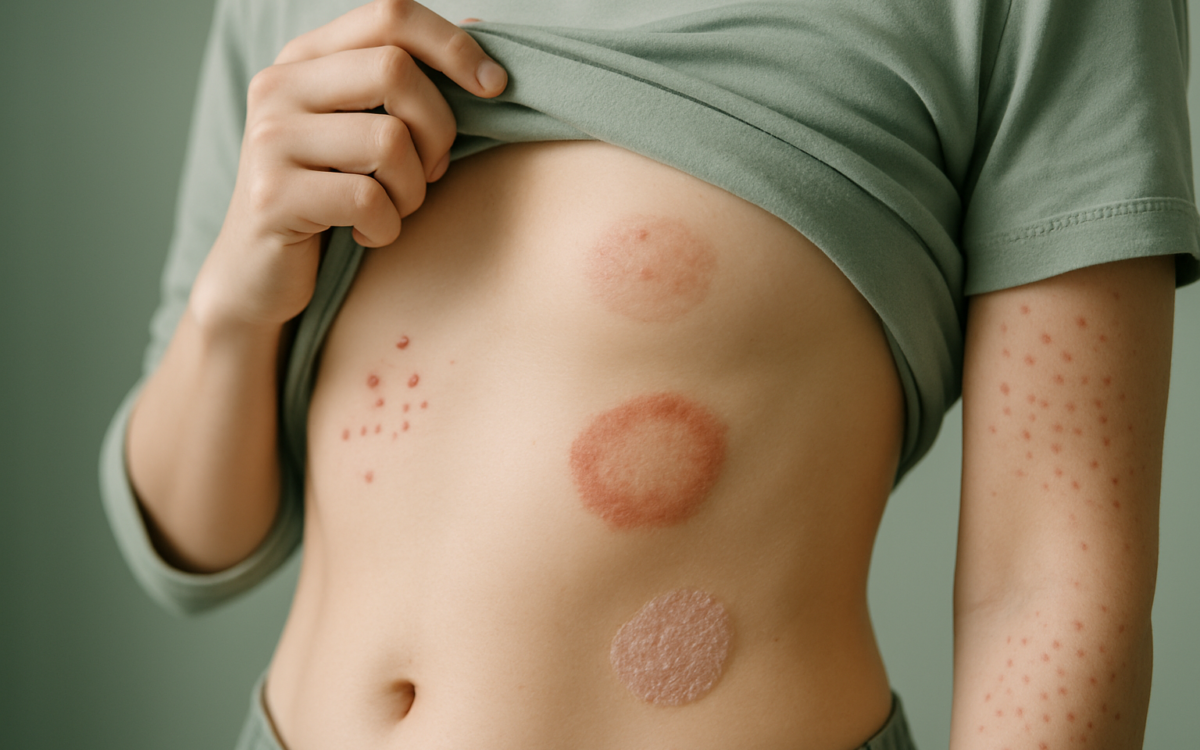
Skin rashes can be perplexing. They come in many forms, often causing discomfort or concern, but understanding the different types can help you identify what you might be dealing with. From mild allergic reactions to more chronic conditions, knowing the signs and symptoms of various rashes is key to managing them effectively. Let’s delve into the most common kinds of rashes, their possible causes, and what you can do to alleviate symptoms.
Common Types of Skin Rashes
Rashes can vary widely in appearance, causing them to be easily confused with one another. Here, we explore some of the most common types:
Eczema
Eczema, also known as atopic dermatitis, is a chronic condition that results in dry, itchy patches of skin. This rash often appears on the face, inside the elbows, behind the knees, and on the hands and feet. Eczema can flare up due to environmental factors such as allergens, extreme temperatures, or stress. Research suggests that managing eczema often involves keeping the skin moisturized and identifying potential triggers.
Psoriasis
Psoriasis is an autoimmune condition that accelerates skin cell production, leading to thick, red patches covered with silvery scales. These patches commonly appear on the scalp, elbows, knees, and lower back. While the exact cause of psoriasis is still being studied, it is thought to be related to genetic factors and immune system activity. You can find more information about psoriasis treatment and management through reliable sources like the Mayo Clinic.
Contact Dermatitis
Contact dermatitis manifests as a rash that occurs when the skin comes into contact with an irritating substance or allergen. There are two types: irritant contact dermatitis, which is caused by direct damage to the skin (like harsh soaps), and allergic contact dermatitis, which is triggered by an allergic reaction to a substance (such as poison ivy). Symptoms can include redness, itching, and swelling. To manage contact dermatitis, avoiding the irritant and using soothing creams may help.
Hives (Urticaria)
Hives are raised, itchy welts that can occur due to an allergic reaction. They often appear suddenly and can vary in size and shape. Common triggers include certain foods, medications, insect stings, or infections. Hives usually resolve on their own, but antihistamines may be used for relief. If you experience swelling of the face or difficulty breathing alongside hives, it’s crucial to seek immediate medical attention. For more details on identifying and treating hives, refer to reputable sources like the Cleveland Clinic.
Acne
While many people associate acne with teenagers, it can affect individuals of any age. Acne occurs when hair follicles become clogged with oil, dead skin cells, and bacteria. It can lead to the formation of pimples, cysts, and blackheads. Hormonal changes, certain medications, and diet can influence the development of acne. Treatment options vary, but effective strategies often include over-the-counter topical treatments or prescriptions if needed.
When to See a Doctor
If you notice a skin rash that persists for more than a few days, changes rapidly, or is accompanied by other symptoms (such as fever or difficulty breathing), it is essential to consult a healthcare professional. They can provide a proper diagnosis and recommend a treatment plan suitable for your specific condition. Other indications to seek medical advice might include:
- Severe pain or discomfort
- Signs of infection, such as warmth, redness, or pus
- Rash spreading rapidly
Conclusion
Understanding different types of skin rashes can empower you to take better care of your skin and health. By recognizing the signs and symptoms, you can be proactive in treating minor issues and knowing when to seek professional help for more severe or persistent conditions. Always consult your doctor with any concerns, as they can provide personalized guidance tailored to your needs.
