
For many families, visiting a theme park like Disney is a dream come true. The joy of rides, character encounters, and endless entertainment can sometimes be overshadowed by an unexpected skin issue known as “Disney rash.” This condition often strikes visitors who are spending long days outdoors, enjoying the fun under the sun. By understanding what Disney rash is, its causes, and how to manage it, you can ensure your park visit remains enjoyable and memorable.
What is Disney Rash?
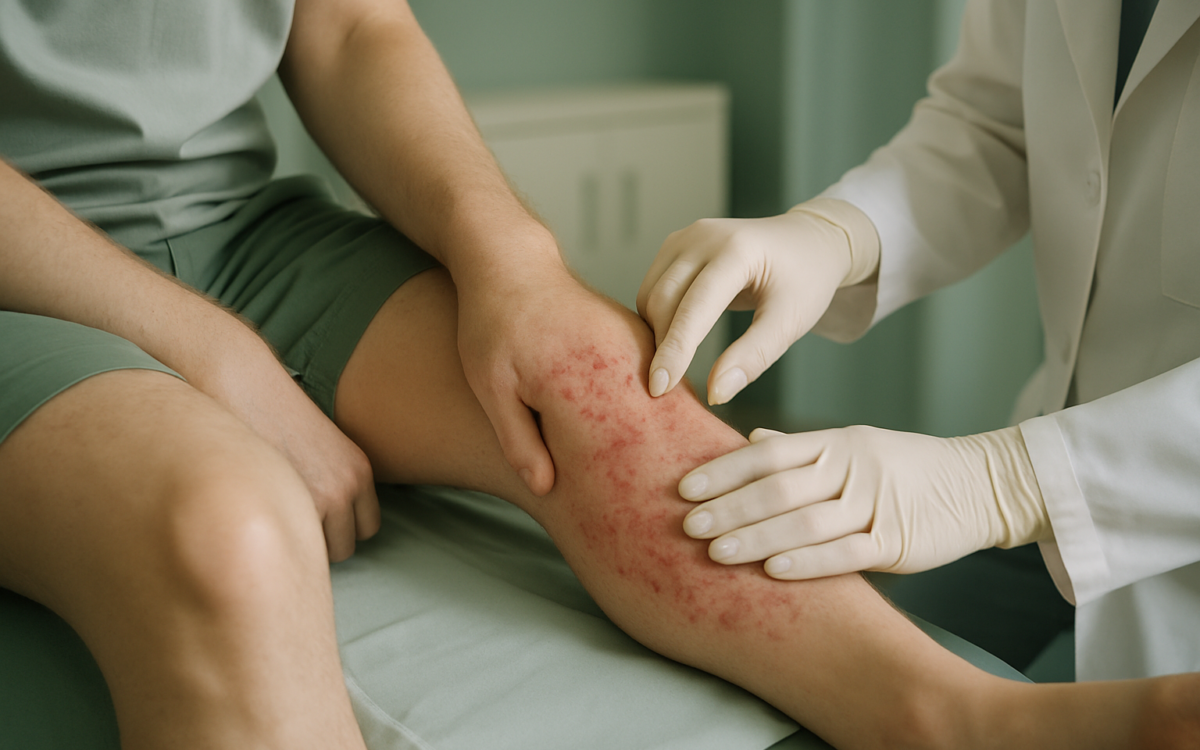
Disney rash refers to a type of skin irritation that typically occurs in the warmer months, especially among people who are active for prolonged periods in hot and humid environments. Officially categorized as a form of heat rash, it usually manifests as small, red bumps or rash that can occur in areas prone to friction, such as the thighs, underarms, and areas where clothing rubs against the skin.
Causes of Disney Rash
The primary cause of Disney rash is a combination of heat, moisture, and friction. But let’s break this down further:
- Heat and Humidity: Hot, humid conditions can overwhelm your skin, leading to sweat that cannot evaporate properly. This trapped moisture can cause irritation.
- Friction: Walking or moving around frequently, especially in snug or ill-fitting clothing, can cause friction that irritates the skin.
- Improper Clothing: Wearing clothes that do not breathe well—like polyester or tight-fitting garments—can contribute to the likelihood of developing a rash.
- Prolonged Exposure: Spending long hours outdoors without breaks can exacerbate the problem, especially if you are not staying hydrated or taking the time to cool off.
Symptoms of Disney Rash
Disney rash can vary in severity depending on the individual and the conditions of exposure. Common symptoms include:
- Red Bumps: Small, raised red spots may develop in areas where skin is prone to friction.
- Itching and Discomfort: The rash is often itchy or uncomfortable, making it difficult to fully enjoy your day.
- Heat Sensitivity: Areas affected by the rash may feel warm to the touch.
If left untreated, the rash can lead to more severe skin issues, such as infections.
Managing and Preventing Disney Rash
Fortunately, there are effective strategies for managing and preventing Disney rash:
1. Stay Hydrated
Drinking plenty of water is crucial when spending time in the heat. Hydration helps regulate your body temperature and reduces sweating, thereby preventing the rash.
2. Wear Appropriate Clothing
Choose breathable, loose-fitting clothing made from natural fibers like cotton. This can help minimize friction and allow for better airflow.
3. Take Breaks
Plan to take regular breaks in shaded areas or indoors to cool down. This will give your skin a chance to recover from the heat and friction.
4. Use Anti-Chafing Products
Applying anti-chafing creams or powders can reduce skin friction in high-risk areas. Look for products that offer moisture-wicking properties and are dermatologically tested.
5. Apply Calming Creams or Lotions
If you do develop a rash, using soothing creams such as hydrocortisone or aloe vera can help alleviate discomfort. Always check ingredients to avoid further irritation.
When to See a Doctor
While Disney rash is usually not serious, it is important to consult a healthcare professional if:
- The rash does not improve after a few days of self-care.
- There are signs of infection, such as increased redness, swelling, or pus.
- You experience severe pain or discomfort that interferes with daily activities.
- The rash spreads to other parts of the body.
Conclusion
Heading to a theme park like Disney should be filled with joy and excitement. Being aware of Disney rash and its potential causes can help you prepare effectively. From wearing suitable clothing to staying well-hydrated, taking precautionary actions can make a significant difference. If a rash develops, understanding how to manage it can help you quickly get back to enjoying your family adventures. For additional information about skin conditions and their management, consider visiting trusted resources such as the National Institutes of Health or the Centers for Disease Control and Prevention.
