
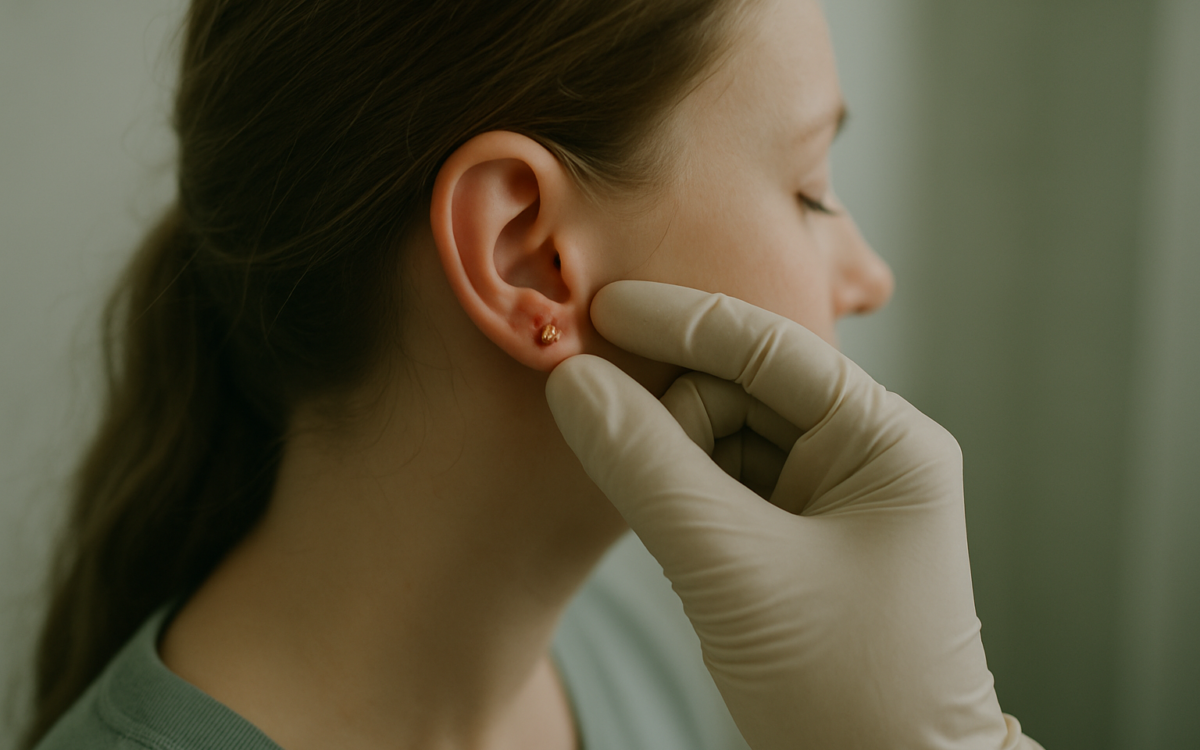
Ear piercing is a popular way for people to express their personal style, but it also comes with some risks. One such risk is infection. This guide offers insights into ear piercing infections, including their causes, symptoms, prevention, and care. Understanding these aspects can help you maintain healthy pierced ears.
What is an Ear Piercing Infection?
An ear piercing infection occurs when bacteria enter the body through the hole created by the piercing. This can lead to inflammation, pain, and sometimes more severe complications if not addressed properly. While ear piercing is generally safe, infections can happen at any stage, whether soon after the piercing or even weeks to months later.
Common Causes of Ear Piercing Infections
Several factors can contribute to the risk of developing an infection after an ear piercing:
- Dirty Equipment: If the tools used for the piercing were not properly sterilized, bacteria can easily enter the wound.
- Improper Aftercare: Failing to follow aftercare instructions can lead to an increased risk of infection. This includes neglecting to clean the area regularly.
- Allergic Reactions: Some individuals might have an allergic reaction to certain metals, leading to irritation and increased susceptibility to infections.
- Tight Earrings: Earrings that are too tight can irritate the skin and trap dirt and bacteria.
- Swimming: Exposure to contaminated water, such as in swimming pools or hot tubs, can introduce bacteria into the piercing.
Recognizing the Symptoms
If you suspect an infection, it’s crucial to recognize the symptoms early on. Common signs of an ear piercing infection include:
- Redness: The skin around the piercing may appear redder than normal.
- Swelling: There may be noticeable swelling, making the area feel sensitive or painful.
- Pus or Discharge: An infected piercing may produce pus, which can be yellow or greenish in color.
- Pain: Increased pain or irritation that worsens over time is a common symptom.
- Fever: In severe cases, a fever may develop, indicating a systemic infection.
How to Prevent Ear Piercing Infections
While infections can occur, there are effective measures you can take to minimize the risk:
- Choose a Reputable Piercer: Ensure your piercer follows strict hygiene practices. Look for a professional with good reviews and certifications.
- Select Safe Jewelry: Opt for hypoallergenic materials, such as surgical steel or titanium, to reduce the risk of allergic reactions.
- Follow Aftercare Instructions: After your piercing, clean the area as directed, typically with saline solution or an antiseptic suggested by your piercer.
- Avoid Touching: Keep your hands off the piercing as much as possible to prevent transferring dirt and bacteria.
- Be Cautious with Activities: Limit swimming and other activities that may expose the piercing to water and bacteria during the healing process.
Caring for an Infected Piercing
If you suspect your ear piercing is infected, proper care is essential:
- Keep It Clean: Clean the area gently with a saline solution or a mild antiseptic. Avoid alcohol-based products that can be too harsh.
- Avoid Removing the Earring: Unless advised by a doctor, keep the earring in place. Removing it can close the wound and trap the infection inside.
- Apply a Warm Compress: A warm, damp cloth can help reduce pain and swelling. Do this a few times a day.
- Monitor Symptoms: Keep an eye on the infection. If symptoms worsen or if you develop a fever, seek medical advice promptly.
When to See a Doctor
It’s essential to consult a healthcare professional in the following situations:
- If redness and swelling spread beyond the piercing site.
- If you notice an increase in pus or discharge, particularly if it has a foul smell.
- If severe pain or burning sensation develops.
- If you have a fever or feel generally unwell.
Conclusion
While ear piercings can be a fun form of self-expression, being aware of the potential for infection is crucial. By following proper care instructions and recognizing the signs of infection, you can keep your piercings healthy and beautiful. Remember, should you encounter any complications or uncertainties, it’s always best to consult a medical professional for guidance. For more information about ear piercing and infections, consider resources from trusted organizations like the CDC and the Mayo Clinic.
