
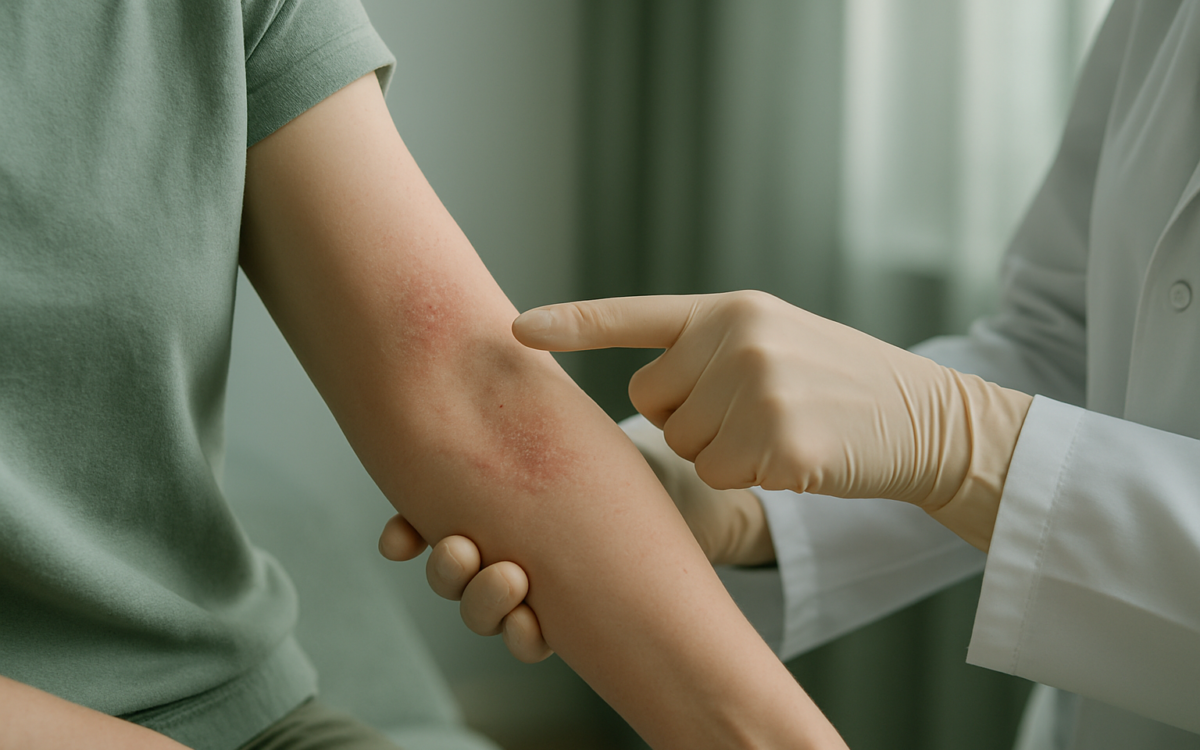
Eczema is a skin condition that affects millions of people worldwide, causing discomfort and frustration. Characterized by red, itchy, and inflamed patches of skin, it often leads to questions, especially regarding its nature and potential to spread. One of the most common misconceptions is that eczema is contagious. In this article, we’ll explore the facts about eczema, clarify whether it can be transmitted from person to person, and discuss ways to manage this condition effectively.
What Is Eczema?
Eczema, also known as atopic dermatitis, is a chronic skin condition that results in the skin becoming dry, itchy, and inflamed. It can appear at any age but is most commonly seen in children. However, it can also persist into adulthood. Various factors can trigger flare-ups, including allergens, irritants, and even stress.
Is Eczema Contagious?
The short answer is no. Eczema is not contagious. It cannot be spread through direct contact with someone who has the condition. Instead, eczema arises from a combination of genetic and environmental factors which lead to a malfunction in the skin barrier. Research has shown that people with eczema have lower levels of certain proteins that help the skin stay moisturized and protected, making it more prone to irritation and infection.(NIH)
Understanding the Causes of Eczema
While we now know that eczema is not infectious, understanding its causes is crucial for effective management. Here are some primary factors thought to contribute to eczema:
- Genetics: A family history of eczema, allergies, or asthma can increase the likelihood of developing the condition.
- Environmental Factors: Exposure to irritants such as soaps, detergents, and fragrances can trigger eczema flare-ups.
- Allergies: Allergens like pollen, pet dander, and dust mites can exacerbate symptoms.
- Skin Barrier Deficiency: The skin of individuals with eczema often lacks essential proteins, which can lead to heightened dryness and inflammation.
Symptoms of Eczema
Eczema manifests in several ways. The most common symptoms include:
- Dry Skin: The affected areas often appear dry and flaky.
- Itching: Itching can be severe, leading to scratching that may worsen the condition.
- Red or Brownish Patches: These patches can appear anywhere on the body and vary in size.
- Thickened or Cracked Skin: Long-term scratching can lead to thickened areas or even cracks on the skin.
Managing Eczema Effectively
Although there’s no cure for eczema, there are several strategies that can help manage symptoms. Here are some widely recommended approaches:
- Moisturizing: Regularly applying emollients or moisturizers can help maintain skin hydration and reduce dryness.
- Avoiding Triggers: Identifying and avoiding personal triggers, whether they be certain foods, fabrics, or environmental factors, can greatly improve your quality of life.
- Medications: Topical corticosteroids, antihistamines, and other medications may be prescribed to manage severe cases. Always consult with a healthcare provider.
- Education: Understanding your condition and educating yourself about eczema can empower you to make informed choices.
Common Misunderstandings About Eczema
With so much misinformation available, it’s essential to clarify some common misunderstandings:
- Misinformation About Contagion: As stated, eczema is not contagious. This involves a misunderstanding of how skin conditions work.
- All Eczema Is the Same: There are various types of eczema, including contact dermatitis and dyshidrotic eczema, each with unique characteristics and triggers.
- Natural Remedies Are Always Safe: While some natural remedies may be helpful, they may not be suitable for everyone. Always consult a healthcare provider before trying new treatments.
When to See a Doctor
If you or someone you know is experiencing severe eczema symptoms that interfere with daily activities, it’s important to consult a healthcare provider. Symptoms such as intense itching, widespread rashes, or signs of infection like pus or fever warrant professional advice. Your doctor may recommend specific treatments tailored to your condition and may help determine any underlying allergies or triggers.
Conclusion
Eczema can be challenging, but understanding that it is not contagious can help alleviate fears about spreading the condition to others. By managing triggers and taking proactive steps to care for your skin, you can live more comfortably with eczema. For more detailed information, feel free to consult reputable health resources like CDC or Mayo Clinic. Remember, living with eczema is possible with the right knowledge and strategies.
