
Every day, our hearts work tirelessly to pump blood throughout our bodies, keeping us alive and active. But how often do we think about their health? EKG screening, or electrocardiogram screening, is one way to monitor our heart’s function and detect potential issues early. In this article, we will explore what EKG screening is, why it is important, who should consider it, and what the process entails.
What is EKG Screening?
An EKG, or electrocardiogram, measures the electrical activity of your heart over a period of time. It provides a graphical representation of heartbeats, allowing healthcare providers to identify irregularities. An EKG is quick, non-invasive, and can be performed in various settings, from hospitals to primary care clinics.
Why EKG Screening Matters
EKG screening offers significant insights into your heart’s health. It can detect various conditions such as:
- Arrhythmias: Irregular heartbeats that may affect blood flow.
- Heart attack: Signs of previous heart damage or ongoing issues.
- Heart enlargement: Indications of stress or strain on the heart.
- Electrolyte imbalances: Changes in certain minerals that can affect heart function.
By identifying these issues early, EKG screenings can help people take preventive steps and receive timely treatment, potentially saving lives.
Who Should Get an EKG Screening?
The decision to have an EKG screening often depends on your personal health history, risk factors, and current health status. Some groups may benefit more from regular screenings, including:
- Individuals with a family history of heart disease: Genetics play a role in heart health.
- People with existing heart conditions: Monitoring can provide insights for effective management.
- Adults over 40: Age increases the risk of cardiovascular problems.
- Athletes: Physical exertion can reveal underlying heart issues.
Consulting with a healthcare provider can help determine if EKG screening is right for you based on your circumstances and medical history.
What to Expect During an EKG Screening
The process of getting an EKG is straightforward and typically takes only a few minutes. Here’s what you can expect:
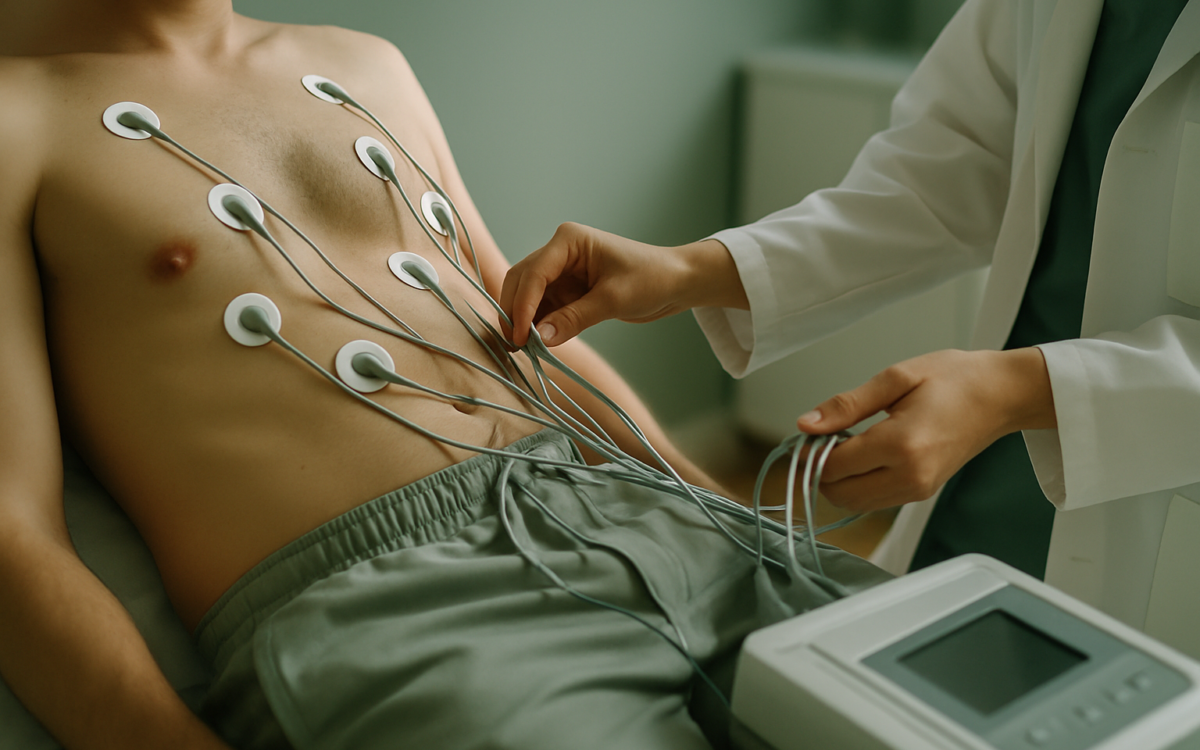
- You will be asked to lie down on an examination table or bed.
- Electrodes will be placed on your chest, arms, and legs; these sensors will pick up electrical signals from your heart.
- During the test, you may be asked to breathe normally, and in some cases, to hold your breath for a few seconds.
- The EKG machine will create a printout of your heart’s electrical activity.
Most people find the procedure painless and require minimal preparation. There is no need for fasting or any special instructions beforehand.
Understanding Your Results
<pOnce the EKG is complete, a healthcare professional will analyze the printout to look for any signs of abnormal heart activity. Results are typically categorized as:
- Normal: Indicates a healthy heart rhythm.
- Abnormal: May suggest potential heart problems that require further evaluation.
If abnormalities are detected, additional tests such as an echocardiogram or stress test may be recommended to gain more insight into your heart’s health. Your doctor will explain the results and discuss any necessary next steps.
Limitations of EKG Screening
While EKG screening is a valuable tool, it’s essential to understand its limitations. Here are a few key points:
- An EKG does not always detect every heart condition, especially if the issues are temporary or intermittent.
- Some normal heart rhythms may vary based on age, fitness level, and even time of day.
- False positives can occur, leading to unnecessary anxiety or additional procedures.
These limitations highlight the importance of combining EKG screenings with other assessments and consultations with healthcare practitioners.
When to See a Doctor
If you experience symptoms such as chest pain, shortness of breath, palpitations, or fainting, it’s crucial to consult a doctor immediately. Such symptoms may warrant an EKG screening or further evaluation, regardless of your age or health history.
Conclusion
EKG screening is an important tool in monitoring heart health and identifying potential issues early. Understanding what it involves, why it matters, and who should consider it can empower you to take a more active role in your cardiovascular health. Always consult with a healthcare provider to determine the best approach for your individual needs.
For more information on heart health, you may explore resources provided by reputable organizations such as the National Heart, Lung, and Blood Institute and the Centers for Disease Control and Prevention.
