
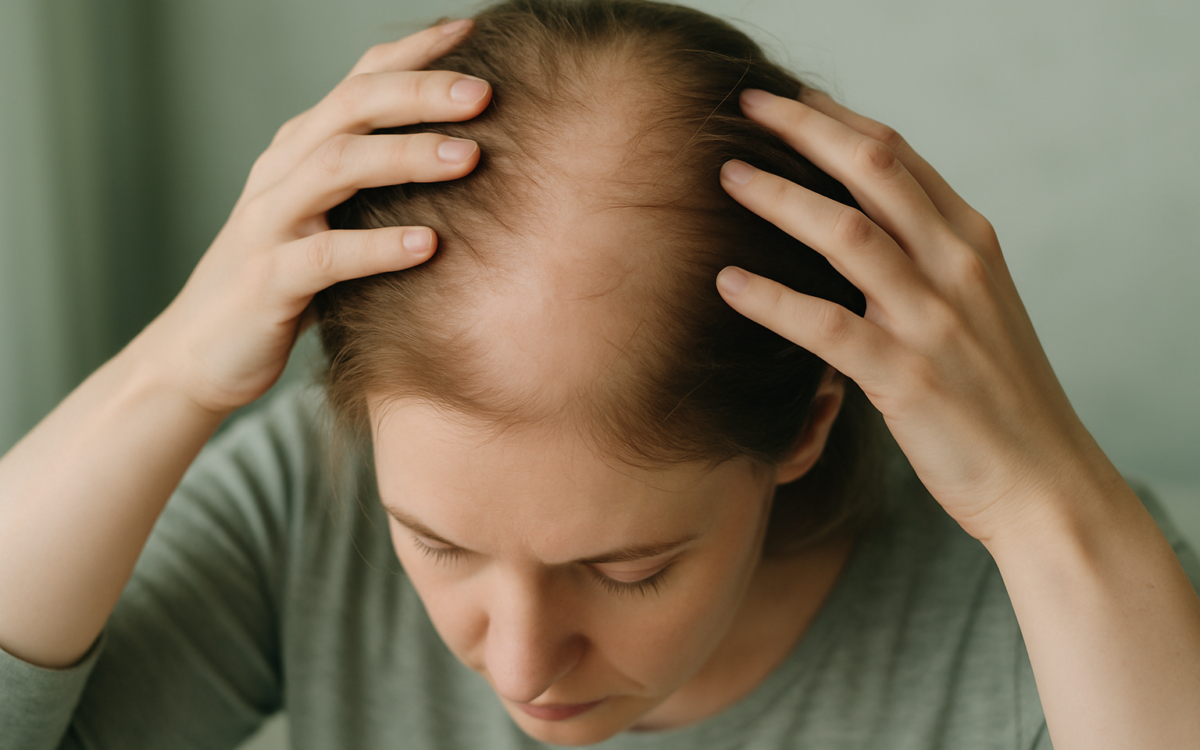
Hair loss is often associated with men, but many women face the issue of thinning hair or balding as well. For women, this experience can be particularly challenging due to societal pressures regarding beauty and femininity. Understanding the causes and possible solutions for female balding can help empower those affected to take action and maintain their confidence.
What Causes Hair Loss in Women?
There are numerous reasons why women may experience balding or thinning hair. Some of the common causes include:
- Genetics: Just like men, women can inherit baldness patterns from their parents. Conditions like androgenetic alopecia, or female pattern hair loss, can cause gradual thinning.
- Hormonal Changes: Pregnancy, menopause, or conditions such as polycystic ovary syndrome (PCOS) can lead to hormonal fluctuations that affect hair growth.
- Medical Conditions: Thyroid issues, autoimmune disorders, and iron deficiency are a few medical conditions that can contribute to hair loss.
- Stress: Both emotional and physical stress can lead to temporary hair shedding, a condition known as telogen effluvium.
- Poor Nutrition: A diet lacking essential nutrients—particularly proteins, iron, and vitamins—can negatively impact hair health.
- Hairstyles and Products: Certain hairstyles that pull on hair and the abuse of chemical treatments can cause traction alopecia or damage to hair that leads to thinning.
Understanding Different Types of Hair Loss
Hair loss can manifest in various ways depending on the underlying issue. Here are some types:
- Androgenetic Alopecia: This hereditary condition may lead to thinning across the crown of the head and is the most common form of hair loss in women.
- Telogen Effluvium: A sudden increase in shedding that typically occurs after a stressful event, illness, or hormonal imbalance.
- Alopecia Areata: An autoimmune disease that leads to unpredictable hair loss. It causes round patches of hair loss on the scalp or elsewhere on the body.
- Traction Alopecia: The result of continuous tension on the hair due to certain hairstyles, leading to hair breakage and loss.
Effective Treatments for Thinning Hair
While dealing with hair loss can be disheartening, several treatments may help women manage their condition:
1. Medications
Over-the-counter options like minoxidil (Rogaine) are FDA-approved for treating hair loss in women. They can promote hair growth and slow shedding. It’s important to follow the instructions and consult a healthcare provider for advice.
2. Hair Restoration Treatments
For some women, more invasive options like hair transplants may be considered. During these procedures, hair follicles are moved from areas with healthier growth to thinning areas. Consult with a board-certified dermatologist or hair restoration specialist for guidance.
3. Nutritional Support
Ensuring a well-balanced diet rich in essential nutrients can help minimize hair loss. Consider including:
- Lean proteins (like fish, chicken, and legumes)
- Leafy greens and vegetables
- Nuts and seeds for healthy fats
- Whole grains for energy
4. Stress Management Techniques
Since stress can lead to hair loss, incorporating stress management strategies into your routine may help, including:
- Mindfulness and meditation
- Regular exercise
- Yoga or tai chi
Hair Care Tips for Thinning Hair
Aside from medical treatments, adopting good hair care practices can improve the overall health of your hair:
- Gentle Styling: Avoid hairstyles that may pull on or stress your hair, such as tight ponytails or braids.
- Limit Heat and Chemicals: Minimize the use of heated styling tools and chemical treatments that can cause damage.
- Regular Cuts: Regular trims can help rid hair of split ends, which makes hair look fuller and healthier.
When to See a Doctor
If you notice significant hair loss or thinning that concerns you, it’s important to seek medical advice. A healthcare provider can help identify the underlying cause and recommend appropriate treatments. In some cases, blood tests may be required to assess for nutritional deficiencies or hormonal imbalances. Additionally, specialists like dermatologists can provide insights into more advanced hair restoration options if needed.
Conclusion
Experiencing hair loss as a woman can be challenging, but understanding the causes and actively seeking solutions can make a difference. With the right information and support, you can take charge of your hair health and find the best path for you. Remember, you are not alone, and many resources are available to help you on this journey.
