
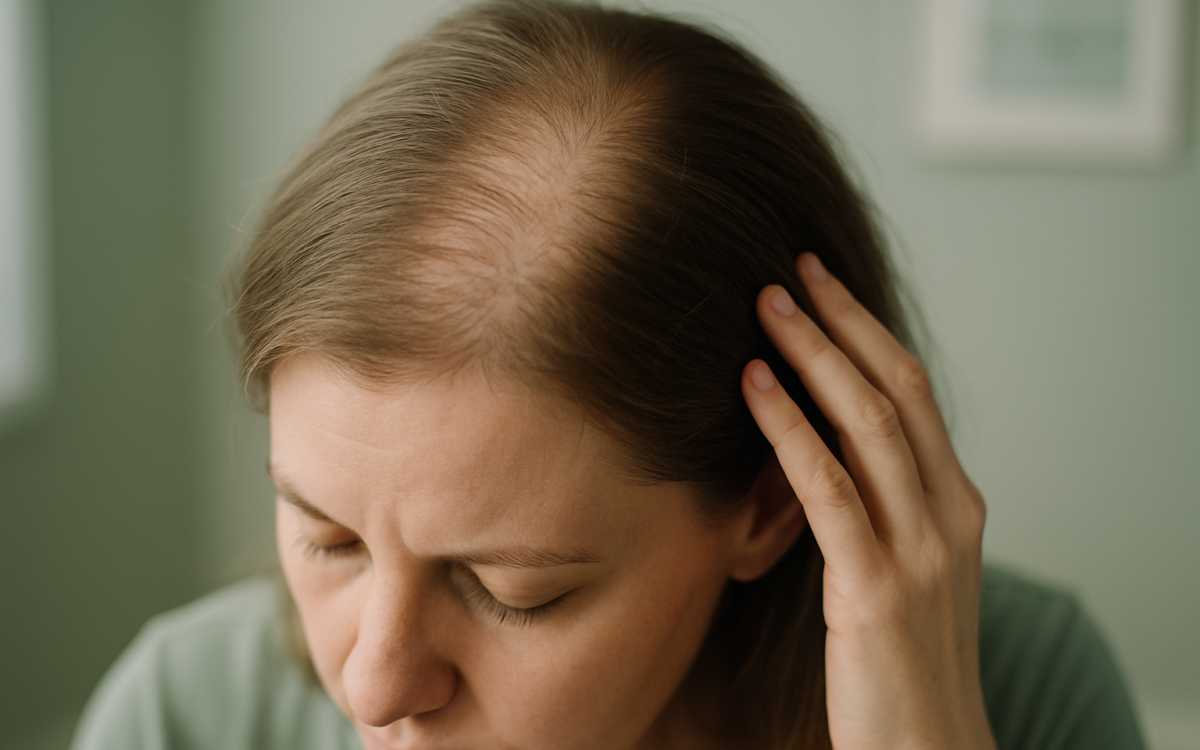
For many women, hair is a vital part of their identity. It enhances personal style and contributes to self-esteem. However, for some, thinning hair or baldness can lead to distress and anxiety. Female pattern baldness, also known as androgenetic alopecia, is a common issue that affects millions of women worldwide. Understanding its causes and available treatments may help empower those experiencing this condition.
What is female pattern baldness?
Female pattern baldness is a genetic condition where hair gradually thins, typically starting at the crown and broadening over time. Unlike male pattern baldness, where hair recedes from the front, women usually see a diffuse thinning across the scalp rather than sudden bald spots. The National Institutes of Health (NIH) reports that this form of hair loss affects nearly 30 million women in the United States alone, with the likelihood increasing with age.
Causes of female pattern baldness
Several factors contribute to female pattern baldness:
- Genetics: A family history of hair loss on either side can increase the risk.
- Hormonal changes: Fluctuations in hormones, especially during pregnancy, childbirth, menopause, or due to conditions like polycystic ovary syndrome (PCOS), can trigger hair thinning.
- Medical conditions: Thyroid issues, iron deficiency anemia, and autoimmune disorders can lead to hair loss.
- Lifestyle factors: Stress, poor nutrition, and certain hairstyles that pull on the hair can exacerbate thinning.
Signs and symptoms
Identifying the signs of female pattern baldness early can be important:
- Gradual thinning on the crown of the head
- The widening of the hair part
- Shorter, finer hairs replacing thicker strands
- Visible scalp in areas where hair is thinning
If you notice such changes, consider seeking support and potential solutions. It’s crucial to distinguish between temporary hair loss and the onset of a chronic condition.
Treatment options for female pattern baldness
Treatment strategies vary based on individual needs and preferences:
1. Topical treatments
Minoxidil (Rogaine) is an over-the-counter topical solution widely used to stimulate hair growth. It may help some women address thinning hair. However, results can vary, and it may take several months to notice improvement.
2. Prescription medications
Aside from minoxidil, doctors may prescribe medications like finasteride or hormone therapy to address hormonal imbalances, contingent upon individual health factors.
3. Hair restoration methods
For those seeking more immediate results, hair restoration surgeries, including follicular unit transplantation (FUT) or follicular unit extraction (FUE), may be considered. These methods involve relocating hair follicles from denser areas to the thinning patches. If you’re contemplating treatment abroad, international patient services can assist you in finding reputable clinics that specialize in such procedures.
4. Lifestyle changes
Adopting a balanced diet rich in vitamins, minerals, and protein can improve overall hair health. Supplements like biotin may also help support hair growth. Additionally, managing stress through practices like yoga or meditation can positively influence hair health.
Self-care and emotional well-being
Experiencing hair loss can take an emotional toll, leading to feelings of self-consciousness or diminished confidence. It’s essential to approach this situation with self-compassion. Connecting with support groups or mental health professionals may provide encouragement and practical advice. Remember, you are not alone in navigating this journey.
When to see a doctor
If you notice significant hair loss or have concerns about your hair thinning, it’s wise to consult a healthcare provider. They can evaluate your condition, check for underlying health issues, and help determine an appropriate treatment plan tailored to your needs.
While female pattern baldness can be challenging to face, understanding your options and seeking support can make a difference. With the right approach, many women find ways to manage their hair health and maintain their confidence.
