
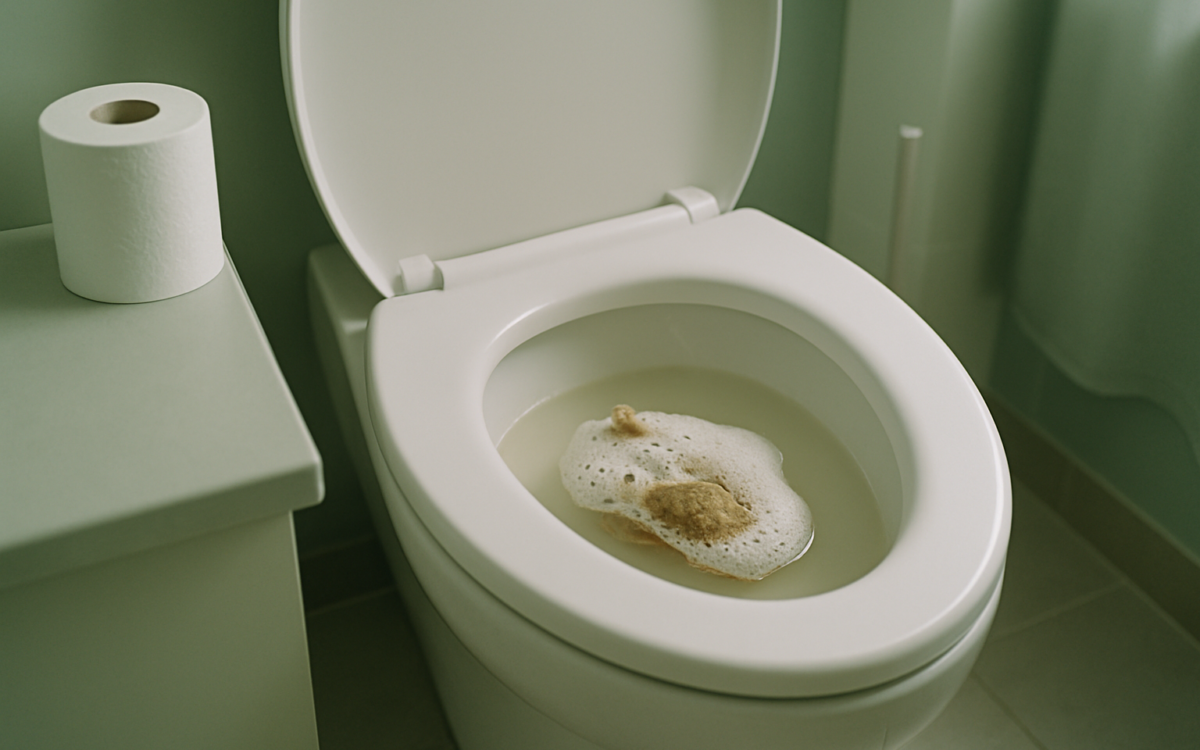
If you’ve noticed foamy poop during your bathroom visits, you’re not alone. Many people may experience changes in their stool consistency, and foaminess can be one of the more unusual signs of gastrointestinal health issues. Understanding what foamy poop indicates and when it might require a doctor’s attention can help you maintain better digestive health.
What does foamy poop mean?
Foamy poop can be characterized by a bubbly or frothy appearance. While it might seem alarming at first, it’s important to remember that stool characteristics can vary widely among individuals. Factors contributing to foamy poop may include your diet, hydration levels, and underlying health conditions.
Common causes of foamy poop
Understanding the potential causes of foamy poop can shed light on your digestive health. Here are some common reasons for this unusual stool appearance:
- Dietary factors: High levels of undigested fat in your stool can lead to foamy poop. This might indicate that your body isn’t absorbing fats properly, often related to dietary choices or conditions affecting digestion.
- Increased gas: If you consume foods that are high in gas-producing compounds, such as beans or certain vegetables, it may lead to foamy stool. The excess gas can create bubbles, making your poop appear frothy.
- Infections: Intestinal infections caused by bacteria, viruses, or parasites can lead to digestive disturbances, including foamy stool. These might also come with other symptoms, such as diarrhea or abdominal pain.
- Malabsorption syndromes: Conditions like celiac disease or pancreatitis can negatively affect nutrient absorption, leading to oily or foamy stools. Consult a healthcare professional if you suspect a malabsorption issue.
- Food intolerances: Some individuals may be intolerant to specific foods like lactose or gluten. When these foods are consumed, they can cause digestive disturbances, including foamy poop.
When is foamy poop a concern?
In some cases, foamy poop might indicate an underlying health issue. While occasional foamy stool can be harmless, consider seeking medical advice if you experience:
- Frequent occurrences of foamy poop over several days
- Accompanying symptoms such as diarrhea, abdominal pain, or significant weight loss
- Changes in stool color or consistency, especially if they are accompanied by other concerning symptoms
How diet affects stool consistency
Your diet plays a significant role in determining the consistency and appearance of your stool. Foods rich in fiber, for instance, can lead to well-formed stools, whereas high-fat diets might cause changes in stool consistency. If you’re concerned about foamy poop, consider reflecting on your recent dietary habits. Here are some tips for maintaining a balanced digestive system:
- Eat a diet rich in whole grains, fruits, and vegetables.
- Limit processed foods and high-fat snacks.
- Stay hydrated by drinking plenty of water throughout the day.
- Consider keeping a food journal to track your diet and any bowel changes.
Importance of hydration and digestion
Hydration is crucial for overall health, including proper digestion. Dehydration can lead to hard stools or digestive issues. In contrast, too much water, especially when accompanied by certain foods, can lead to increased gas production, leading to foamy poop. Aim to drink adequate fluids daily, and be mindful of combining certain foods that may upset your digestive balance.
Maintaining bowel health
To promote better bowel health and mitigate issues that could lead to foamy poop, consider the following tips:
- Incorporate a variety of fiber sources in your diet, aiming for about 25-30 grams a day.
- Engage in regular physical activity to help maintain digestive health.
- Limit alcohol and caffeine intake, which can irritate the digestive system.
- Practice mindful eating – chew your food completely and eat slowly.
When to see a doctor
If you’re concerned about foamy poop, it’s wise to discuss it with a healthcare provider. Signs that warrant a visit include:
- If the foamy stool persists for more than a few days
- Presence of other symptoms such as significant weight loss, fever, or persistent abdominal pain
- Any significant changes in your bowel habits that aren’t attributable to dietary changes
Remember that timely consultation with a healthcare professional can help identify any serious underlying issues and ensure your digestive health is on track.
Conclusion
Foamy poop can be an unsettling sign, but understanding its causes and implications can help ease concerns. Most often, it’s tied to dietary choices or minor digestive issues. However, keeping an eye on your symptoms and seeking medical advice when necessary is key to maintaining good health. Make informed decisions about your diet and lifestyle to improve your digestive wellness and prevent concerning changes in your bowel habits.
