
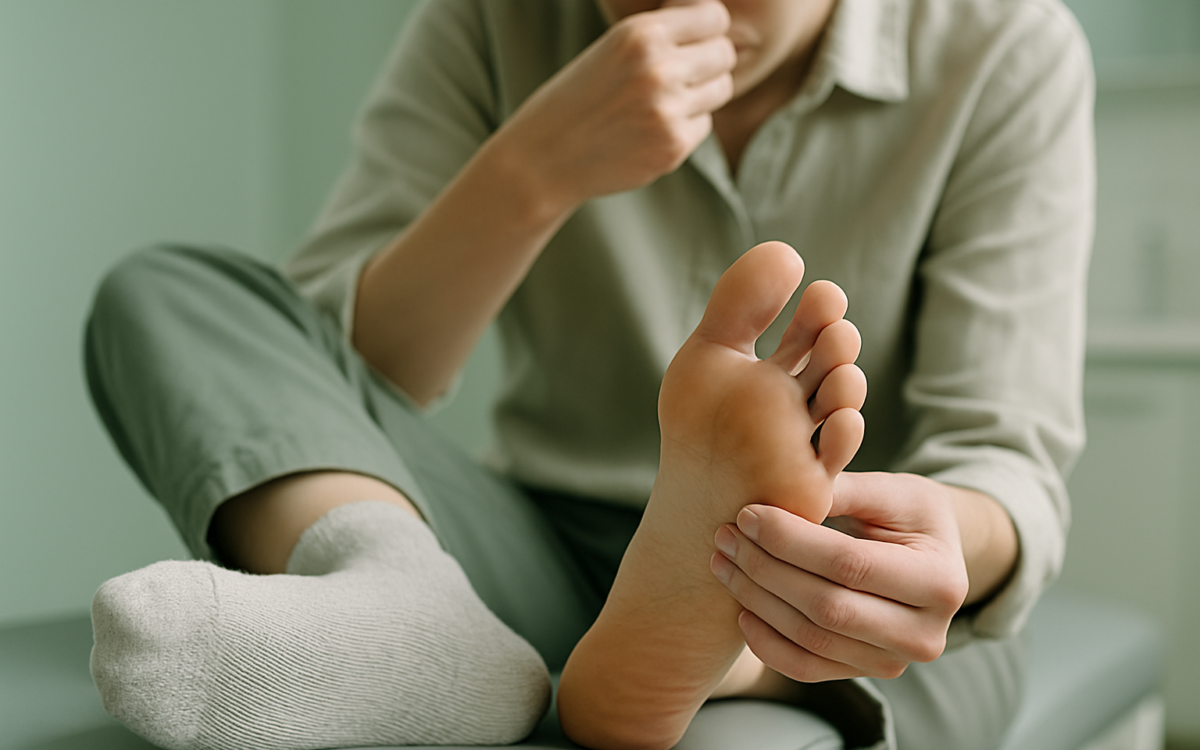
We’ve all been there: you take off your shoes after a long day, and an unpleasant odor wafts through the air. It can be embarrassing and uncomfortable, but what causes that smell? Understanding the factors behind foot odor can help you tackle the problem effectively. In this article, we’ll explore the common causes of foot odor, how to prevent it, and when to seek help.
What Causes Foot Odor?
Foot odor, also known as bromodosis, is primarily caused by bacteria. Our feet have over 250,000 sweat glands, producing sweat when we’re active, anxious, or overheated. The moisture from sweat creates an environment where bacteria thrive. As bacteria break down sweat and skin cells, they release foul-smelling byproducts.
Common Factors Contributing to Foot Odor
Poor Foot Hygiene
Not washing or drying your feet regularly can lead to the accumulation of sweat, dirt, and dead skin cells, creating a breeding ground for bacteria. It’s crucial to clean your feet daily, especially between the toes, and to dry them thoroughly.
Footwear Choices
Wearing shoes that do not allow your feet to breathe can trap moisture. Materials like rubber and plastic create a humid environment perfect for bacteria to flourish. Opt for breathable shoes made from materials like leather or mesh to help reduce moisture buildup.
Sweaty Feet (Hyperhidrosis)
Some individuals naturally produce more sweat than others, leading to sweaty feet, or hyperhidrosis. This condition can significantly increase the chances of developing foot odor. If you notice excessive sweating, it may be worth discussing with your healthcare provider.
Tips for Managing Foot Odor
Practice Good Hygiene
Make it a habit to wash your feet daily with soap and water. Pay special attention to the areas between your toes. After washing, dry your feet thoroughly before putting on socks or shoes.
Choose the Right Socks
Opt for socks made from moisture-wicking materials, which help draw sweat away from your feet. Cotton socks absorb moisture but may not dry as quickly. Consider synthetic blends or wool that are designed to keep feet dry.
Rotate Your Shoes
Wearing the same pair of shoes every day can create a moist environment. Give your shoes time to air out by alternating pairs. It’s also a good idea to let your shoes dry completely before wearing them again.
Foot Powder and Antiperspirants
Using foot powders can help absorb moisture and reduce odor. If you experience excessive sweating, an antiperspirant specifically designed for feet may help. Be sure to follow the instructions provided.
Home Remedies for Foot Odor
Soaking Your Feet
A soothing soak can help tackle foot odor. Consider soaking your feet in a mixture of warm water and Epsom salts, vinegar, or baking soda. These ingredients may help neutralize odors while soothing your skin.
Essential Oils
Certain essential oils, like tea tree oil or lavender oil, have antibacterial properties. Adding a few drops to your foot bath or mixing with a carrier oil and applying to your feet can help combat odors.
When to See a Doctor
If your foot odor persists despite practicing good hygiene and using over-the-counter treatments, it may be time to consult a healthcare professional. Additionally, if you notice other symptoms such as itching, redness, or swelling, seek medical advice. Persistent or severe foot odor could indicate a more serious condition, such as a fungal infection or other health issue.
For further information about foot health, visit reputable sources like the National Institutes of Health or the Mayo Clinic.
Conclusion
While foot odor can be an embarrassing issue, it’s often manageable with simple lifestyle changes. By understanding the causes and following the tips outlined in this article, you can significantly reduce foot odor and improve your confidence. Remember, if problems persist or worsen, reaching out to a healthcare provider is an essential step toward finding relief.
