
Cancer can be a frightening diagnosis, but early detection can make a huge difference in outcomes. Full body cancer screening is an approach that aims to identify potential cancer early, even before symptoms appear. Understanding what these screenings involve can empower you to make informed decisions about your health.
What is Full Body Cancer Screening?
Full body cancer screening generally involves a series of tests performed to detect cancer in various parts of the body. Unlike targeted screenings for specific types of cancer, such as mammograms for breast cancer or colonoscopies for colorectal cancer, full body screenings may include multiple tests that focus on numerous organ systems at once.
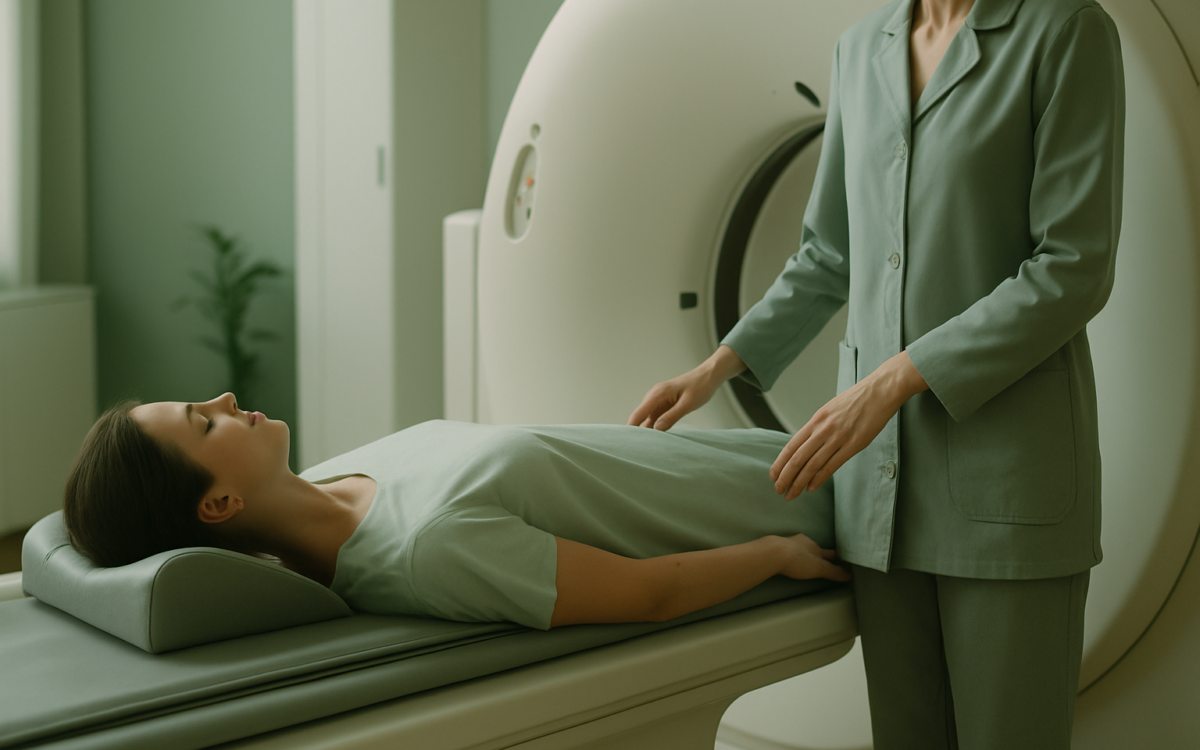
While the concept sounds appealing, it’s important to note that full-body screenings are not universally recommended. They may consist of imaging tests like CT scans, MRIs, or PET scans, along with blood tests and sometimes biopsies.
Who Should Consider Full Body Cancer Screening?
Full body cancer screenings are often marketed to generally healthy individuals, but not everyone may need them. According to the CDC, factors that influence whether screening is appropriate include:
- Your age
- Your family history of cancer
- Your personal lifestyle choices (such as smoking or diet)
- Any previous diagnoses of cancer
For individuals with a family history of certain cancers, early screening may be recommended. Your doctor can help assess your risk and determine if a full body cancer screening is right for you.
Pros and Cons of Full Body Cancer Screening
As with any health procedure, weighing the benefits against the risks is crucial. Here are some points to consider:
Benefits
- Early Detection: Finding cancer early can significantly improve treatment outcomes.
- Peace of Mind: For some people, knowing their cancer status may relieve anxiety.
- Comprehensive Approach: Simultaneous testing may catch multiple potential issues.
Risks
- False Positives: Screening may indicate cancer when there is none, leading to unnecessary stress and further testing.
- Overdiagnosis: Some cancers detected may not require treatment but may lead to overtreatment.
- Cost: Full body screenings can be expensive, and insurance may not cover all tests.
Before making any decisions, it’s essential to have a thorough discussion with your healthcare provider about these pros and cons.
International Perspectives on Cancer Screening
In different parts of the world, approaches to cancer screening can vary widely. Nations with well-established healthcare systems have specific guidelines on when and how often individuals should be screened for various cancers. For example, some countries may recommend regular full body cancer screenings as part of a preventive health strategy.
For those considering international treatment options or extensive screenings, resources like Acibadem International provide information on different healthcare services available across borders. Understanding global practices can inform your decisions regarding health management.
What to Expect During a Full Body Screening
If you and your doctor decide that full body cancer screening is right for you, it’s important to know what to expect. Screenings can take several forms:
- Imaging Tests: Advanced imaging techniques, like MRI and CT scans, will typically be part of the screening process.
- Blood Tests: These tests can help detect specific tumor markers or overall health issues.
- Physical Exams: Your doctor will likely perform a thorough physical examination to check for any unusual signs.
The screening process may take several hours and sometimes involves multiple visits, depending on the tests involved.
When to See a Doctor
If you experience any unusual symptoms, such as unexplained weight loss, fatigue, or pain, it’s crucial to consult a healthcare provider without delay. Early intervention can significantly enhance treatment success. Additionally, if you have concerns about your cancer risk or are considering a full body screening, discussing these with your doctor can provide clarity and direction.
Being proactive about your health is important, but navigating cancer screening options can be overwhelming. Understanding the details and making informed choices, in consultation with healthcare professionals, can empower you to take charge of your health.
Conclusion
Full body cancer screening can be a valuable tool in some preventive health strategies. However, it is not a one-size-fits-all solution. Ensure you discuss your personal health history, risks, and the potential benefits and drawbacks with your healthcare provider. By doing so, you’ll be better equipped to make informed choices that align with your health goals.
