
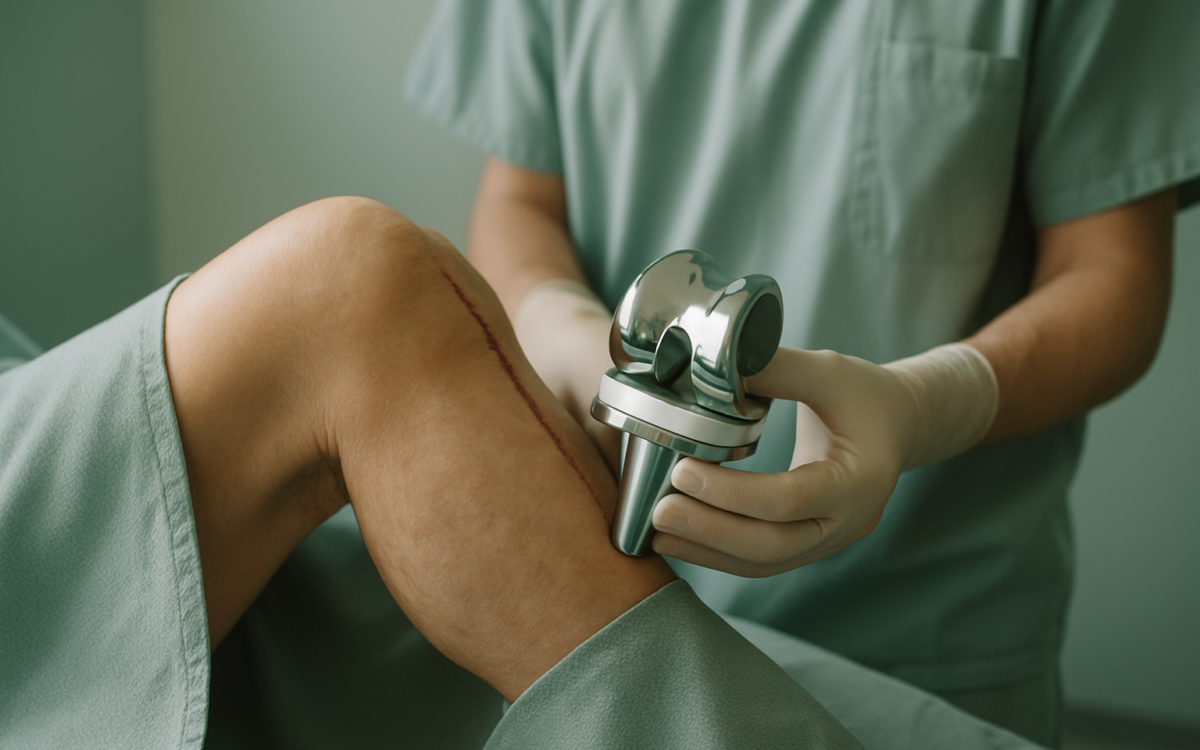
Knee pain can significantly affect your daily life, limiting your ability to perform even the simplest tasks. For some people, traditional treatments may not provide sufficient relief, leading to the option of full knee replacement surgery. This guide seeks to clarify the process, benefits, and what to expect during your knee replacement journey.
What is a Full Knee Replacement?
A full knee replacement, also known as total knee arthroplasty, is a surgical procedure that involves removing damaged cartilage and bone from the knee joint and replacing them with artificial components. This procedure is often recommended for individuals suffering from severe knee pain or disability, commonly due to osteoarthritis, rheumatoid arthritis, or traumatic injury.
Why Consider Full Knee Replacement?
Deciding on a full knee replacement is significant and typically follows other treatment options. Here are some reasons why individuals consider this surgery:
- Chronic Pain: If knee pain persists despite medications, physical therapy, or other non-invasive treatments, a full knee replacement may provide relief.
- Reduced Mobility: Difficulty walking, climbing stairs, or participating in activities can prompt individuals to seek surgery.
- Arthritis: Conditions such as osteoarthritis or rheumatoid arthritis can lead to joint degradation, causing pain and stiffness.
Preparing for Surgery
Proper preparation is crucial for a successful knee replacement. Here are some steps to take before your surgery:
- Consultation: Meet with your orthopedic surgeon to discuss your symptoms, medical history, and expectations.
- Pre-Surgery Tests: You may need blood tests, imaging studies, or other evaluations to assess your health status.
- Physical Therapy: Some doctors recommend pre-surgery physical therapy to strengthen the muscles around your knee.
The Surgical Procedure
On the day of the surgery, you’ll be given anesthesia to ensure you are comfortable and pain-free during the procedure. A full knee replacement typically lasts about one to two hours. Here’s what to expect:
- Incision: The surgeon makes an incision about 6-10 inches long over the knee joint.
- Removal of Damaged Tissue: Damaged cartilage and bone are removed, and the surfaces of your knee joint are prepared for the new components.
- Implantation: The surgeon will implant artificial components, which may be made of metal and plastic, in the joint.
- Closure: Once the prosthetic knee is in place, the incision is closed with stitches or staples.
Recovery Process
Recovery from a full knee replacement can vary from person to person. Generally, here’s what you can expect:
- Hospital Stay: Most patients stay in the hospital for 1 to 3 days following surgery.
- Pain Management: Your medical team will provide pain relief medications to help you manage discomfort.
- Physical Therapy: Rehabilitation typically begins within a day or two post-surgery, focusing on mobility, strength, and range of motion.
- Return to Daily Activities: Many patients can resume light activities within a few weeks. However, full recovery may take months, so patience is essential.
Long-Term Outlook and Benefits
Many individuals experience significant improvements in pain relief and joint function after a full knee replacement. Studies indicate that over 90% of people who undergo this surgery report satisfaction with their results after several years (Mayo Clinic). Potential benefits include:
- Enhanced Mobility: With reduced pain and improved function, you’re likely to move more freely.
- Better Quality of Life: Activities you may have avoided due to pain become more manageable.
- Longevity of Implants: While individual results vary, modern implants can last 15 years or more with proper care.
Risks and Complications
While a full knee replacement can lead to improved quality of life, it does come with certain risks. Some potential complications to discuss with your doctor include:
- Infection: Though rare, infections can occur.
- Blood Clots: Clots can form in the legs (deep vein thrombosis) and may require monitoring.
- Implant Issues: In rare cases, implants can wear out or shift out of place.
When to See a Doctor
If you’re struggling with persistent knee pain, limitations on daily activities, or think knee replacement may be an option, consulting an orthopedic specialist is a critical step. Early intervention can lead to better outcomes and improved quality of life.
For more information about knee health and treatment options, visit the National Institutes of Health.
In conclusion, while a full knee replacement may feel daunting, understanding the process, benefits, and recovery can help alleviate concerns. Improved mobility and reduced pain are within reach, giving you the chance to enjoy life actively again.
