
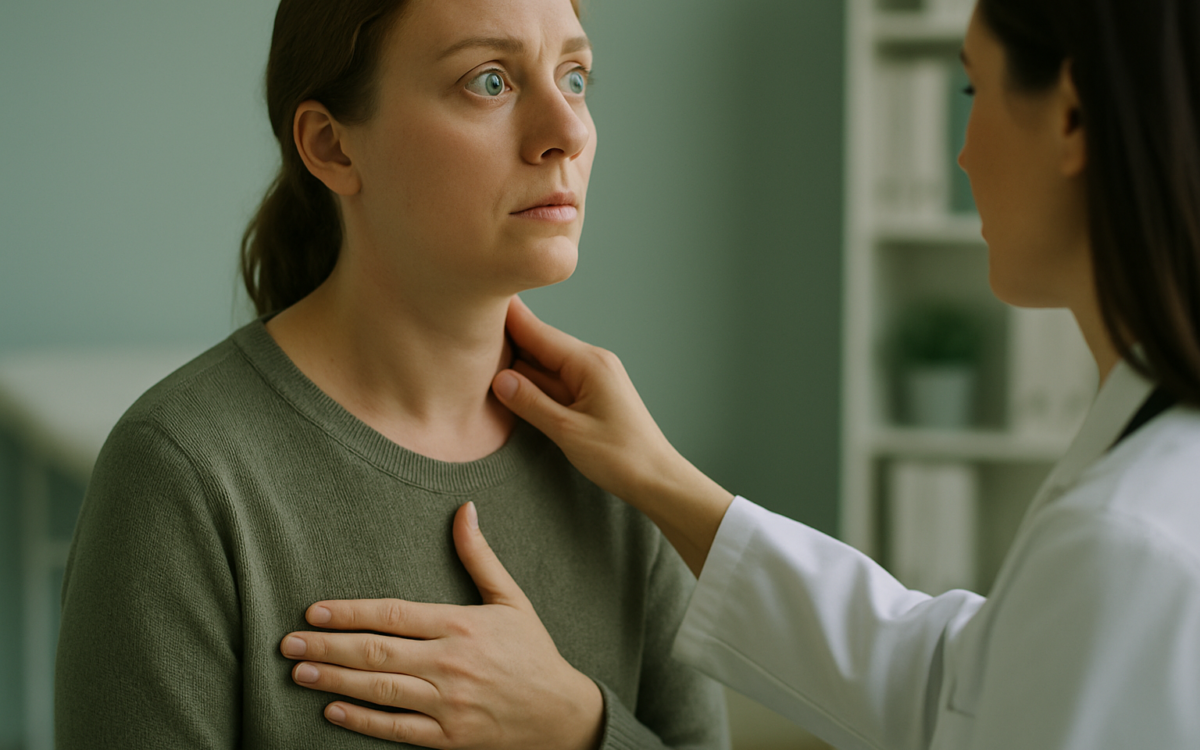
Graves’ disease is an autoimmune disorder that affects the thyroid gland, causing it to become overactive. This condition can lead to hyperthyroidism, which is when the thyroid produces too much of the hormone thyroxine. Since the thyroid plays a crucial role in regulating many bodily functions, including metabolism and energy levels, the symptoms of Graves’ disease can significantly impact a person’s daily life. Understanding these symptoms is essential for early detection and treatment.
Common Symptoms of Graves’ Disease
The symptoms of Graves’ disease can vary from person to person, but several key signs are frequently reported:
- Weight Loss: Despite eating normally or even more than usual, many people experience unexplained weight loss due to an increased metabolism.
- Rapid Heartbeat: An elevated heart rate, known as tachycardia, can occur even when at rest.
- Increased Sweating: People with Graves’ disease often notice they sweat more easily and feel warmer than usual.
- Fatigue: Constant tiredness is common, as the body struggles to keep up with the excessive energy the thyroid produces.
- Anxiety and Irritability: Many individuals report feelings of nervousness or emotional instability, which can be a challenge to manage.
Specific Eye-Related Symptoms
One unique aspect of Graves’ disease is its potential impact on the eyes, a condition often referred to as Graves’ ophthalmopathy. Symptoms may include:
- Bulging Eyes: Known as exophthalmos, this symptom occurs when the body’s immune response leads to swelling behind the eyes.
- Dry or Gritty Eyes: Many people experience dryness or a feeling of something gritty in their eyes, leading to discomfort.
- Vision Problems: Blurred or double vision can occur, and in severe cases, significant vision impairment may arise.
Skin Changes and Other Symptoms
Graves’ disease can also lead to changes in the skin and hair:
- Thinning Hair: Many individuals notice hair loss or thinning as the body cycles through hormonal changes.
- Skin Changes: Some may develop thickened skin, especially on the shins, sometimes referred to as pretibial myxedema.
Furthermore, other symptoms might include:
- Increased Frequency of Bowel Movements: Some people experience more regular or loose stools.
- Menstrual Changes: Women might notice variations in their menstrual cycles, potentially leading to irregularities.
How to Approach Treatment
If experiencing symptoms of Graves’ disease, seek a healthcare professional for a thorough evaluation. Diagnosis often includes blood tests to measure thyroid hormone levels. Treatment options may include:
- Antithyroid Medications: These can help reduce the production of thyroid hormones.
- Radioactive Iodine Therapy: This method destroys overactive thyroid cells and is often a long-term solution.
- Surgery: In some cases, removing all or part of the thyroid may be necessary.
Moreover, consulting with international healthcare providers, such as those at Acibadem International, may offer additional treatment perspectives to consider, especially if seeking options beyond your locality.
Living with Graves’ Disease
Managing Graves’ disease involves recognizing symptoms and making lifestyle adjustments to complement medical treatment. Here are some ways individuals can empower themselves:
- Regular Monitoring: Keep in touch with healthcare providers for routine thyroid function tests.
- Healthy Diet: A balanced diet supports overall well-being. Some find that avoiding too much iodine helps manage symptoms.
- Stress Management: Techniques such as yoga, meditation, or regular exercise can help mitigate anxiety and promote balance.
- Support Groups: Connecting with others who have Graves’ disease can provide emotional support and practical advice.
When to See a Doctor
It’s crucial to consult a healthcare provider if you notice any of the symptoms mentioned, especially if they are persistent or worsening. Early detection of Graves’ disease can make a significant difference in management and treatment outcomes.
Additionally, if you experience severe symptoms, such as a rapid heartbeat, chest pain, difficulty breathing, or vision changes, seek medical attention immediately. Keeping lines of communication open with your healthcare team ensures comprehensive care and helps to navigate your treatment journey effectively.
Conclusion
Understanding the symptoms of Graves’ disease is essential for recognizing this condition and seeking appropriate care. Though it can be challenging to manage, awareness equips individuals with the knowledge to navigate their health journeys. Always consult with a healthcare professional for a personalized approach to your health concerns.
