
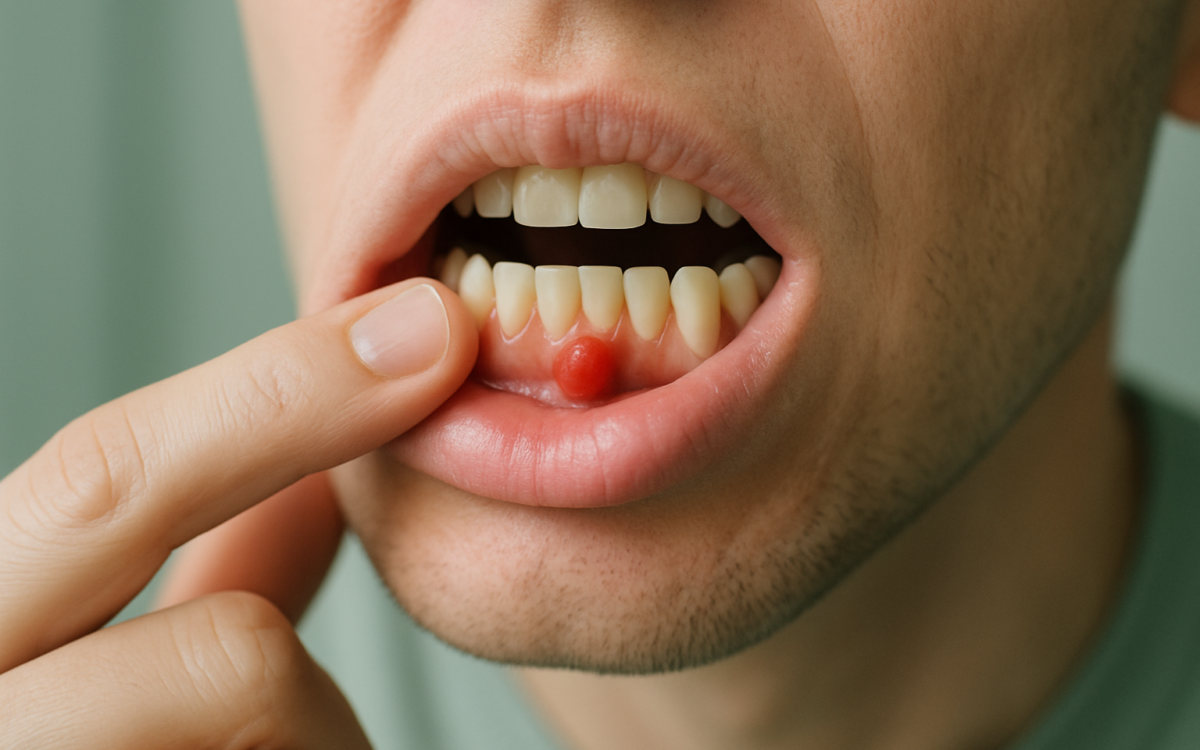
Gum boils can be a source of discomfort and concern for many. If you’ve noticed a painful swelling or bump on your gums, it could be a gum boil, also known as a dental abscess. Understanding what causes these boils, how to recognize their symptoms, and the available treatment options is essential for maintaining optimal oral health.
What Is a Gum Boil?
A gum boil occurs when an infection in the mouth leads to the accumulation of pus in the gum tissue. This pus-filled swelling can be caused by various factors, including tooth decay, gum disease, or trauma to the gums. Gum boils can arise from bacteria entering the gums through cavities or through injury, leading to localized infection.
Common Causes of Gum Boils
- Dental Abscess: An untreated cavity can lead to a dental abscess, which often manifests as a gum boil.
- Gum Disease: Periodontal diseases can cause tissue damage, making it easier for bacteria to invade and create a gum boil.
- Trauma or Injury: Any cut, break, or other injury to the gums can lead to an infection.
- Foreign Objects: Sometimes, food particles or small objects stuck in the gums can lead to infection.
Recognizing the Symptoms
Identifying a gum boil generally involves looking for certain symptoms. These can include:
- Painful swelling or a lump on the gum
- Redness and tenderness in the affected area
- Pus drainage, which may have a foul taste or odor
- Swelling of the surrounding gums or face
- Difficulty chewing or opening your mouth
If you experience any of these symptoms, it’s essential to pay attention and take steps to address them.
Diagnosis of Gum Boils
Diagnosing a gum boil typically involves a visit to a dentist. During the examination, the dentist will:
- Inspect the affected area and surrounding tissues
- Ask about your dental history, including any pain or discomfort you might be experiencing
- Possibly take X-rays to evaluate any underlying issues such as decay or bone damage
Getting an accurate diagnosis is important, as it helps determine the most effective treatment plan.
Treatment Options for Gum Boils
Treating a gum boil typically focuses on addressing the underlying infection. Here are some common treatment options:
- Drainage: A dentist may need to drain the pus from the boil to alleviate pain and clear the infection.
- Antibiotics: Your dentist may prescribe antibiotics to combat the infection and prevent it from spreading. This is particularly important for widespread infections.
- Dental Procedure: If a cavity or gum disease causes the boil, further dental treatments, such as fillings or deep cleaning, may be necessary.
- Pain Management: Over-the-counter pain relievers can help manage discomfort while the treatment takes effect.
If you suspect you have a gum boil, it’s crucial to seek professional dental help rather than trying to treat it on your own.
Preventing Gum Boils
While not all gum boils can be avoided, there are steps you can take to lower your risk:
- Maintain Oral Hygiene: Regular brushing and flossing can help prevent cavities and gum disease, the leading causes of gum boils.
- Regular Dental Check-Ups: Visiting your dentist at least twice a year for cleanings and check-ups helps catch potential issues early.
- Avoid Tobacco: Smoking and using tobacco products can impair oral health and increase the risk of various types of infections.
Implementing these preventive measures can significantly contribute to healthier gums and a reduced risk of boils.
When to See a Doctor
If you suspect that you have a gum boil or are experiencing any of the symptoms mentioned, it’s essential to consult a dentist as soon as possible. Seek immediate care if you experience severe pain, swelling that spreads to your face or neck, or a fever. These could be signs of a more severe infection that requires professional treatment.
In summary, gum boils, while uncomfortable and concerning, can be effectively addressed with proper dental care. Understanding their causes, symptoms, and treatment options will empower you to take action if one arises. Prioritizing good oral hygiene and regular dental visits can further aid in preventing these painful conditions.
