
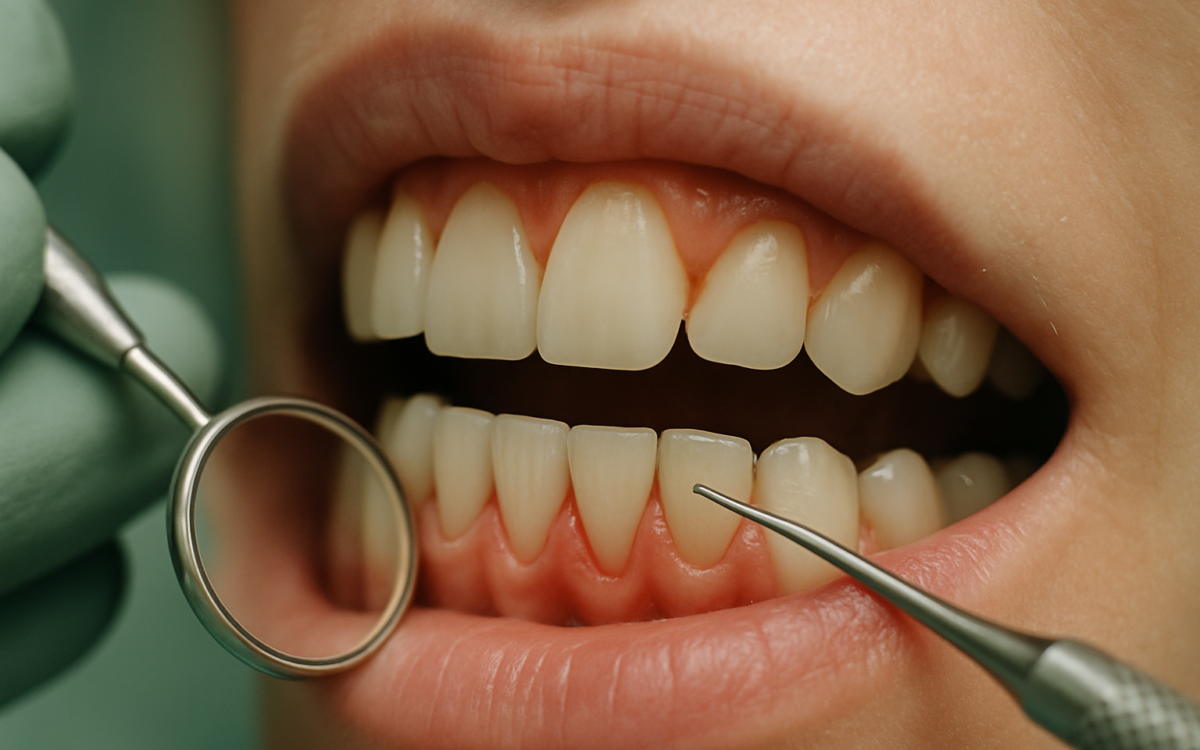
Many people experience receding gums without understanding the underlying causes. One of the most significant factors contributing to this condition is gum disease, also known as periodontal disease. This article will delve into the connection between gum disease and receding gums, exploring causes, symptoms, and prevention methods to help you maintain optimal oral health.
What is gum disease?
Gum disease is an infection of the tissues that surround and support your teeth. It typically begins with the accumulation of plaque, a sticky film of bacteria that forms on your teeth. If not removed through regular brushing and flossing, plaque hardens into tartar, which can cause inflammation in the gums, leading to gingivitis.
Stages of gum disease
- Gingivitis: This early stage is marked by swollen and bleeding gums but can often be reversed with proper oral hygiene.
- Periodontitis: If gingivitis is not treated, it can progress to periodontitis, where the inflammation spreads to the bone that supports the teeth. This stage can lead to tooth loss.
How does gum disease lead to receding gums?
As gum disease advances, the supporting structures of the teeth weaken. Pockets can form between the teeth and gums, allowing more bacteria to enter and worsening the infection. This ongoing inflammation can cause the gums to pull away from the teeth, creating the appearance of receding gums. Over time, the teeth may become more exposed, which can lead to sensitivity and an increased risk of cavities.
Common causes of gum disease
- Poor oral hygiene: Insufficient brushing and flossing allow plaque to build up, eventually leading to gum disease.
- Tobacco use: Smoking or using other tobacco products can impair gum health and reduce blood flow to the gums.
- Hormonal changes: Events such as pregnancy, menstruation, or menopause can affect the gum health of women due to hormonal fluctuations.
- Certain medical conditions: Conditions like diabetes can increase your risk for gum disease.
- Nutrition: A diet low in vitamins and minerals can negatively impact your immune system, making it harder for your body to fight off infections.
Symptoms of gum disease and receding gums
Recognizing the symptoms of gum disease is crucial for early intervention. Common signs include:
- Red, swollen, or tender gums
- Bleeding while brushing or flossing
- Persistent bad breath
- Gums that recede, making teeth appear longer
- Loose teeth or changes in bite alignment
If you notice any of these symptoms, it’s essential to take action as early treatment can prevent further complications.
Preventing gum disease and receding gums
Good oral hygiene is the key to preventing gum disease and protecting your gums from recession. Here are some effective strategies:
- Brush regularly: Use fluoride toothpaste and brush your teeth at least twice a day.
- Floss daily: Flossing removes plaque between teeth where your toothbrush may not reach.
- Visit your dentist: Regular dental check-ups and cleanings (at least twice a year) help to catch issues early.
- Avoid tobacco: Quitting smoking or not using tobacco can significantly improve your gum health.
- Eat a balanced diet: A diet rich in fruits, vegetables, and whole grains supports your immune system and overall health.
When to see a doctor
It’s important to consult your dentist or healthcare provider as soon as you notice any signs of gum disease or receding gums. Early diagnosis and treatment can help prevent serious consequences. If your gums are swollen, bleed easily, or if you experience persistent bad breath, don’t wait for your next routine visit—schedule an appointment for a thorough dental examination.
Conclusion
Understanding the connection between gum disease and receding gums is vital for maintaining good oral health. By recognizing the symptoms and causes early, you can take proactive steps to protect your gum health and preserve your beautiful smile. Remember, effective oral hygiene practices combined with regular dental visits can go a long way in preventing gum disease and its consequences.
