
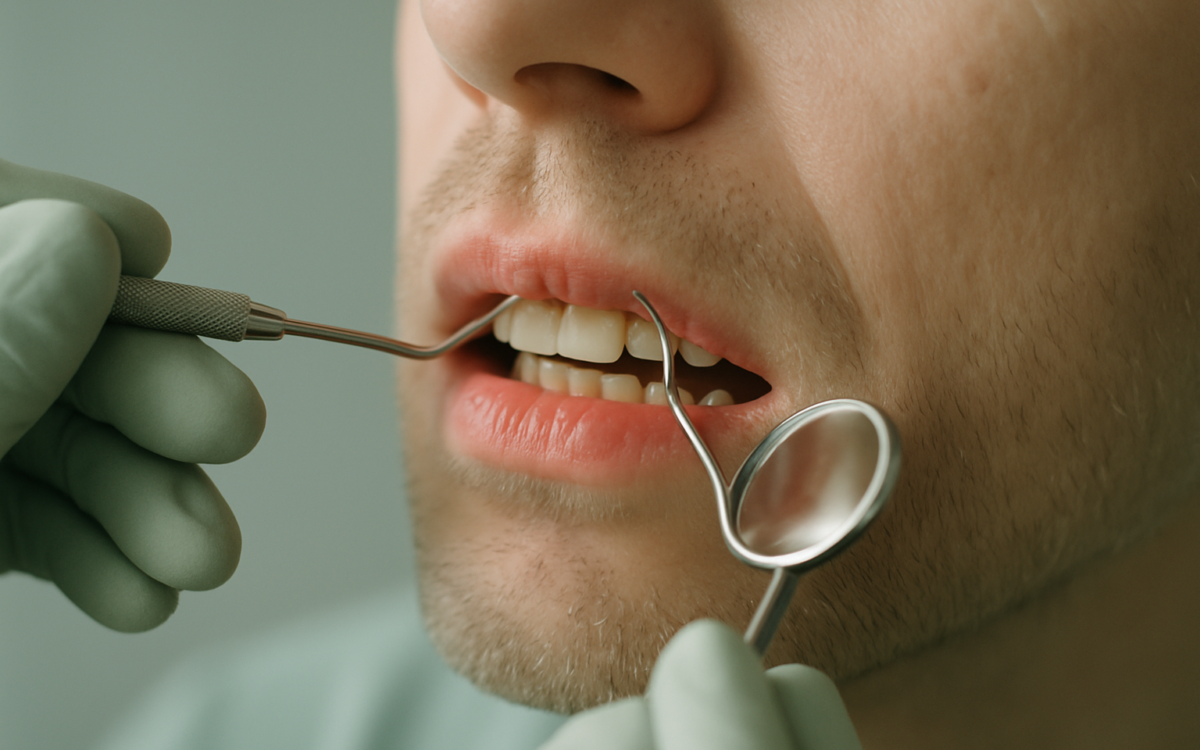
Gum inflammation, also known as gingivitis, is a common issue that affects many people. At first, it might seem minor, but if left untreated, it can lead to more serious conditions like periodontal disease. Understanding the causes, symptoms, and ways to manage gum inflammation is crucial for maintaining good oral health.
What Is Gum Inflammation?
Gum inflammation occurs when the tissues surrounding the teeth become red, swollen, and bleed easily. This condition often results from a buildup of plaque, which is a sticky film of bacteria that forms on the teeth. If not removed through regular brushing and flossing, plaque hardens into tartar, exacerbating the inflammation.
Common Causes of Gum Inflammation
Several factors can lead to gum inflammation:
- Poor Oral Hygiene: Inadequate brushing and flossing allows plaque to accumulate on the teeth and gums.
- Tobacco Use: Smoking or chewing tobacco can hinder gum health and worsen inflammation.
- Hormonal Changes: Fluctuations in hormones, especially during puberty, menstruation, pregnancy, and menopause, can affect gums.
- Medical Conditions: Certain diseases, such as diabetes and autoimmune diseases, can increase the risk of gum inflammation.
- Medications: Some medications may cause dry mouth or gum overgrowth, leading to inflammation.
- Nutritional Deficiencies: A lack of essential nutrients, particularly vitamin C, can negatively affect gum health.
Recognizing the Symptoms
Early detection of gum inflammation is essential for effective management. Common symptoms include:
- Swollen gums
- Red gums that appear shiny
- Bleeding gums during brushing or flossing
- Pain or tenderness in the gums
- Bad breath that doesn’t go away with regular dental care
Prevention Strategies for Healthy Gums
Preventing gum inflammation is often within your control. Here are some effective strategies:
- Maintain Good Oral Hygiene: Brush your teeth at least twice a day with fluoride toothpaste and floss daily to remove plaque.
- Regular Dental Visits: Schedule routine dental check-ups and cleanings at least twice a year. Your dentist can help identify early signs of gum issues.
- Quit Smoking: Seek support to quit tobacco products, which can significantly improve oral health.
- Healthy Diet: Eat a balanced diet rich in fruits, vegetables, whole grains, and dairy to support gum health.
- Stay Hydrated: Drink plenty of water throughout the day to help maintain saliva flow, which protects gums.
Treatment Options for Gum Inflammation
If you’re experiencing gum inflammation, seek advice from your dentist for appropriate treatment, which may include:
- Professional Cleanings: Your dentist or dental hygienist may recommend a deep cleaning to remove plaque and tartar buildup.
- Antibiotics: In some cases, your dentist may prescribe antibiotics to treat bacterial infections affecting the gums.
- Scaling and Root Planing: This is a deeper cleaning procedure that removes tartar and smoothens tooth roots to help gums reattach.
- Improved Oral Hygiene Practices: Your dentist can offer personalized advice for better at-home care.
Home Remedies
In addition to professional treatment, some home remedies may offer relief:
- Salt Water Rinse: Mixing a teaspoon of salt in warm water and using it as a mouthwash can help reduce inflammation.
- Turmeric Paste: Known for its anti-inflammatory properties, turmeric can be made into a paste with water and applied to the gums.
- Aloe Vera Gel: Applying aloe vera gel to the gums may soothe irritation and promote healing.
When to See a Doctor
It’s important to consult a dentist if you notice persistent symptoms of gum inflammation such as bleeding, pain, or swelling that lasts more than a few days. Timely intervention can prevent further complications like periodontal disease. You can find more information on gum disease at the Mayo Clinic.
Conclusion
Gum inflammation might feel minor at first, but it can evolve into more significant health issues. By recognizing its signs and symptoms early, staying proactive with dental care, and seeking professional help when needed, you can maintain your gum health effectively. Remember, your mouth is an essential part of your overall health—taking care of your gums is a critical step toward a healthier you. For more extensive information regarding the impacts of gum health on overall health, the CDC provides valuable insights.
