
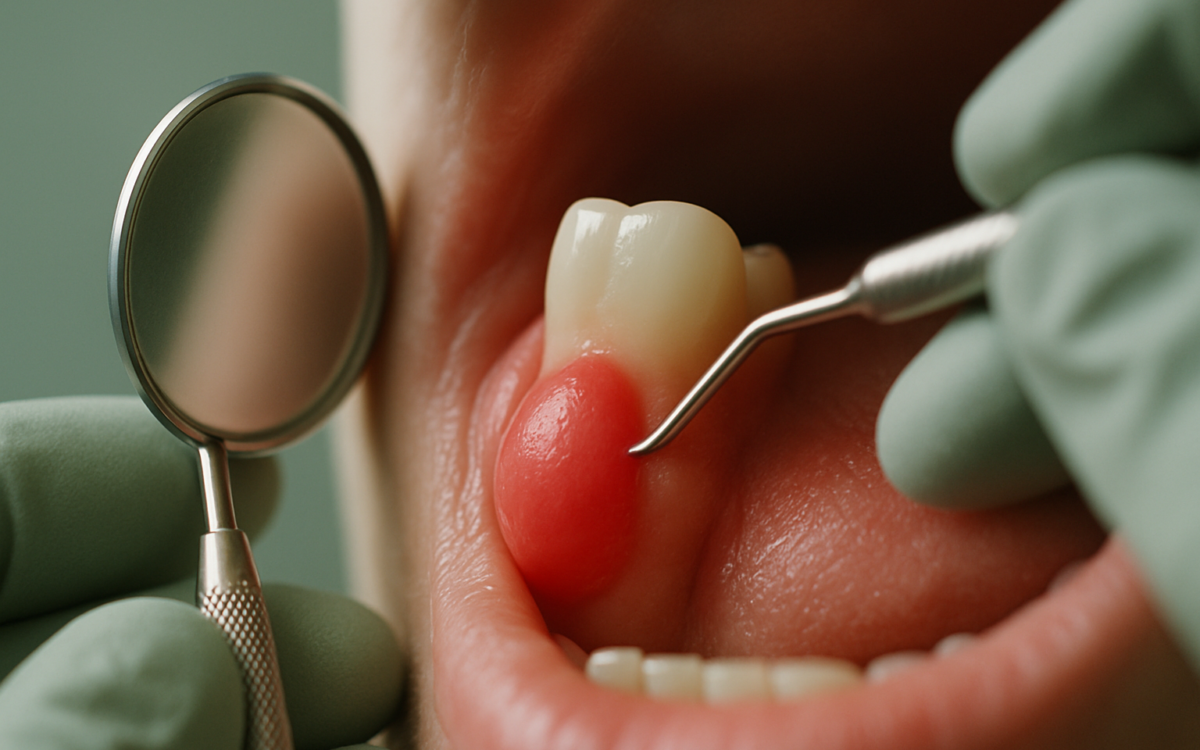
Gum swelling under a tooth is a common issue that can cause discomfort and concern. It can arise from various underlying conditions, each requiring a different approach to treatment. Understanding the reasons behind gum swelling, along with its symptoms and treatments, can help you manage this troubling condition effectively.
Common Causes of Gum Swelling
There are several reasons why you might experience gum swelling. Some of the most common causes include:
- Infection: A bacterial infection can lead to inflammation and swelling in the gums. This often occurs after food particles become trapped, leading to plaque accumulation.
- Gingivitis: This early stage of gum disease results from poor oral hygiene. It’s characterized by red, swollen gums that may bleed during brushing.
- Abscess: A dental abscess can form at the root of a tooth or between the gums and a tooth. This painful condition is usually the result of untreated cavities or a gum infection.
- Tooth Eruption: Swelling can occur during the eruption of wisdom teeth or other molars, causing discomfort in young adults and teenagers.
- Allergies or Irritation: Sometimes, allergic reactions to dental materials or chemicals in oral hygiene products can lead to gum swelling.
Identifying Symptoms
In addition to swelling, other symptoms may accompany gum issues. These can include:
- Redness or discoloration of the gums
- Pain or tenderness in the affected area
- Difficulty chewing or biting
- Bad breath (halitosis)
- Pus discharge if an abscess is present
- Fever in more severe cases
How Swelling is Diagnosed
When experiencing gum swelling, dental professionals will likely perform a thorough examination of your mouth. Diagnosing the cause of swelling typically involves:
- Visual Examination: Your dentist will check for signs of plaque buildup, cavities, abscesses, or gum disease.
- X-Rays: Radiographs may be taken to evaluate the roots of the teeth and the surrounding bone structures.
- Medical History: Informing the dentist about any previous dental issues, medications, or medical conditions can provide critical context.
Additionally, in some complex cases, a referral to a specialist may be necessary to determine the root cause of the swelling.
Treating Gum Swelling
Treatment for gum swelling largely depends on the underlying cause. Here are some common approaches:
- Good Oral Hygiene: Regular brushing and flossing can help eliminate plaque, which may reduce gum swelling, especially in cases of gingivitis.
- Antibiotics: If a bacterial infection is present, your dentist may prescribe antibiotics to clear the infection.
- Drainage of Abscess: For an abscess, drainage may be required to remove pus and alleviate pain.
- Scaling and Root Planing: In cases of gum disease, dental professionals may perform a deep cleaning to remove calcified plaque and restore gum health.
- Surgery: Severe cases might need surgical treatment, especially if tissues are significantly damaged.
Moreover, if you’re considering more advanced options or international perspectives on treatment, facilities like treatment in Turkey may provide various dental solutions that cater to your needs.
Preventive Measures
Preventing gum swelling is largely about maintaining good oral hygiene and lifestyle choices. Here are some tips to help:
- Brush your teeth at least twice a day with fluoride toothpaste.
- Floss daily to remove food particles and plaque between teeth.
- Regular dental check-ups are crucial for maintaining overall oral health.
- Avoid tobacco products, as they can significantly contribute to gum disease.
- Maintain a balanced diet rich in vitamins and minerals for overall gum health.
When to See a Doctor
If you notice persistent gum swelling despite good oral care, or if it’s accompanied by severe pain, fever, or other troubling symptoms, it’s important to consult a dentist. Early intervention can prevent complications and lead to better health outcomes.
Conclusion
While gum swelling under a tooth can be unsettling, understanding its potential causes and treatments can empower you to seek appropriate care promptly. By maintaining good oral hygiene and being aware of the signs of dental issues, you can safeguard your oral health and enjoy a pain-free smile.
