
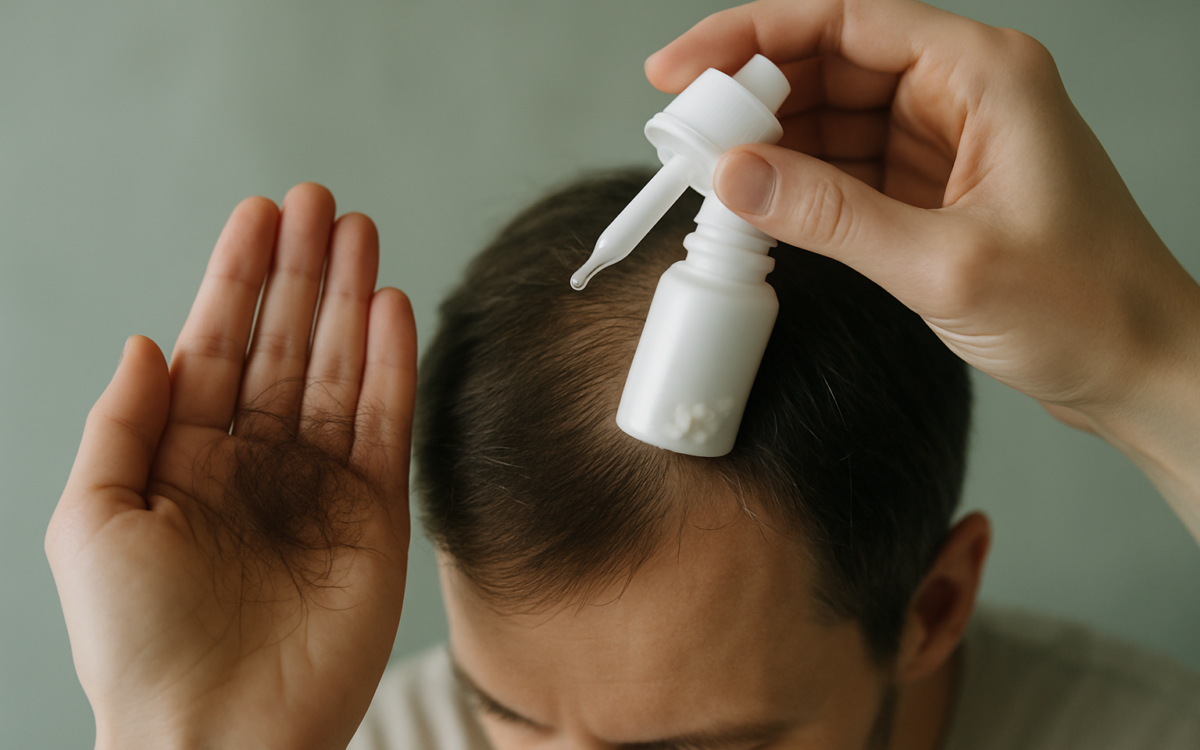
Hair loss is a common concern for many individuals, affecting both men and women. As people seek solutions, understanding the medications available for hair fall can empower them to make informed decisions. Whether driven by genetics, hormonal changes, stress, or health issues, hair fall can be distressing. In this article, we’ll explore various medications that might help manage hair loss, their effectiveness, potential side effects, and steps to take before starting any treatment.
Common Causes of Hair Loss
Before diving into medications, it’s vital to understand what causes hair loss. The most frequent reasons include:
- Genetics: A family history of hair loss can predispose individuals to androgenetic alopecia, commonly known as male or female pattern baldness.
- Hormonal Changes: Conditions such as pregnancy, childbirth, menopause, and thyroid imbalances can significantly affect hair growth.
- Medical Conditions: Autoimmune diseases like alopecia areata, certain infections, and scalp conditions can lead to hair fall.
- Stress and Nutrition: High levels of stress and poor nutrition can also affect hair health.
Identifying the underlying cause is essential in selecting the right treatment.
Over-the-Counter Hair Fall Medications
Several over-the-counter (OTC) products are designed to combat hair loss. Here are a few popular options:
Minoxidil
Minoxidil, often marketed as Rogaine, is a medication applied topically to the scalp. It is FDA-approved for both men and women and has been shown to stimulate hair growth and prevent further loss. The exact mechanism is unclear, but it is believed to increase blood flow to hair follicles.
Biotin Supplements
Biotin, a B vitamin, is crucial for hair health. While its direct effect on hair loss is still debated, many individuals take it as a supplement to support overall hair strength and growth. However, results vary widely from person to person.
Prescription Hair Fall Medications
For those experiencing significant hair loss, prescription medications may be more effective. Here are commonly prescribed options:
Finasteride
Finasteride, known by the brand name Propecia, is an oral medication approved solely for men. It works by inhibiting the hormone dihydrotestosterone (DHT), which contributes to male pattern baldness. Research suggests that finasteride can effectively slow hair loss and promote regrowth in some men.
Spironolactone
Spironolactone is another prescription treatment, primarily used for women. It acts as an anti-androgen, helping to balance hormonal fluctuations that can lead to hair loss. Women who experience hair thinning due to hormonal imbalances may benefit from this medication.
International Perspectives on Treatment Options
Many individuals seek effective hair loss treatments through international healthcare options. Countries like Turkey are well-known for quality hair transplant services at competitive prices. Medical tourism is growing, with providers like acibademinternational.com offering specialized treatments that include both surgical and nonsurgical options. Exploring such alternatives can provide individuals with additional choices not available in their home country.
Side Effects and Considerations
While medications can be beneficial, it’s crucial to be aware of potential side effects:
- Minoxidil: May cause scalp irritation, unwanted facial hair growth in women, and heart palpitations in rare cases.
- Finasteride: Possible side effects include decreased libido, erectile dysfunction, and, in rare instances, breast tenderness or enlargement.
- Spironolactone: Common side effects may include menstrual irregularities, dizziness, and electrolyte imbalances.
Always weigh these potential effects and discuss them with your doctor before starting any new medication.
Hair Care Beyond Medication
While medications can be a significant part of managing hair fall, incorporating good hair care practices can also improve hair health. Consider the following tips:
- Choose gentle shampoos and conditioners that don’t strip hair of its natural oils.
- Avoid tight hairstyles that put stress on the hair follicles.
- Maintain a balanced diet rich in vitamins and minerals, essential for hair growth.
- Limit heat styling tools to reduce damage to hair.
- Consider relaxing techniques and stress management strategies.
Implementing these recommendations can support your hair’s health alongside any medications you choose to take.
When to See a Doctor
If you’re experiencing significant hair loss, it’s advisable to consult a healthcare provider. They can help determine the underlying cause, provide a proper diagnosis, and discuss the most effective treatment options tailored to your needs. Signs that warrant a doctor’s visit include:
- Rapid hair loss over a short period.
- Hair loss that is patchy or accompanied by scalp irritation.
- Hair loss following significant stress or medical conditions.
Your doctor can also discuss the potential benefits and risks of medications specific to your situation.
In conclusion, if you’re facing hair loss, understanding the available medication options is the first step toward addressing the issue. From OTC solutions like minoxidil to prescription options like finasteride and spironolactone, there are various paths to explore. Always consult with a physician to determine the best approach for your unique circumstances, embracing both medical and lifestyle strategies to foster healthy hair.
