
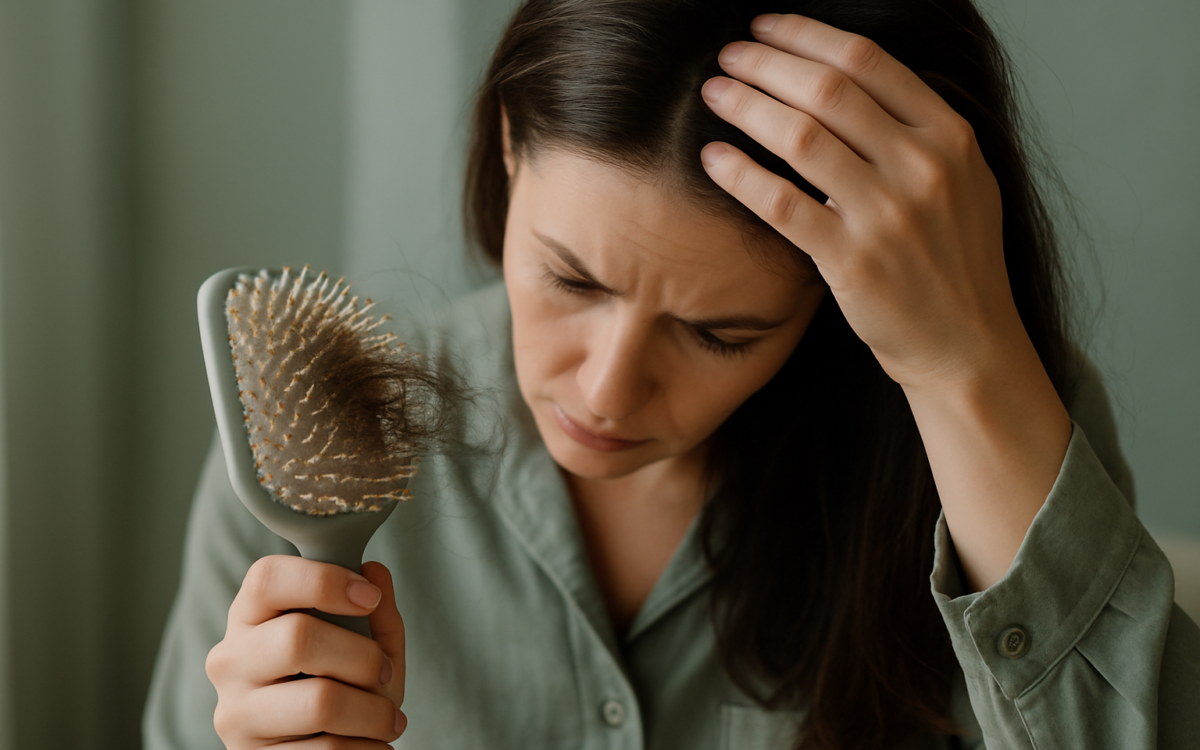
Noticing more hair than usual in your comb or the shower drain can be alarming. Hair loss, however, is a common experience that many men face at various stages of life. The reasons behind it can be numerous and multifaceted. Understanding these causes can help you navigate the situation more effectively.
Genetics: The Most Common Culprit
One of the leading causes of hair loss in men is genetic predisposition. Known medically as androgenetic alopecia, or male pattern baldness, this condition typically results from a combination of genetics and hormones. If you have family members who experienced hair loss at a young age, you might be prone to it as well. This type of hair loss can start as early as your late teens and is often characterized by a receding hairline and thinning at the crown.
Hormonal Changes
Hormones also play a significant role in hair health. Conditions like thyroid issues—both hypothyroidism and hyperthyroidism—can lead to hair loss. The thyroid gland regulates various body functions, and when it is not operating correctly, it can result in weakened hair follicles. Additionally, hormonal changes due to stress or hormonal imbalances related to aging can contribute to hair thinning and loss.
Health Conditions
Several medical conditions may also lead to hair loss. For example, autoimmune diseases such as alopecia areata cause the immune system to mistakenly attack hair follicles, resulting in sudden hair loss in patches. Other conditions like lupus, diabetes, or severe infections can also impact hair health. If you’re experiencing noticeable hair loss and have other symptoms, it may be worth consulting a healthcare provider for a thorough assessment. You can learn more about related conditions through the National Institutes of Health.
Diet and Nutrition
Your diet plays a vital role in hair health. Protein and iron are particularly important for maintaining healthy hair. A diet lacking in these nutrients can lead to hair thinning. Vegetarians, for instance, may struggle to get enough protein or iron, making them more susceptible to hair loss. Also, deficiencies in vitamins like D and biotin have been linked to hair health issues. Ensuring a balanced diet that includes a variety of nutrients can help support hair growth.
Stress and Lifestyle Factors
Life is full of ups and downs, and stress can severely impact your health, leading to hair loss. Events such as a significant life change, chronic illness, or work-related stress can trigger conditions like telogen effluvium, where hair follicles go into a resting phase and hair falls out. Reducing stress through methods like exercise, meditation, or therapy can be beneficial not only for your overall well-being but also for maintaining your hair.
Hair Treatments and Products
How you care for your hair can also affect its health. Excessive use of heat styling tools, harsh chemical treatments, and tight hairstyles can lead to hair damage and loss. If you frequently style your hair with chemicals or heat, your hair may become weaker over time. It could be helpful to switch to gentler products and methods to reduce the risk of damage.
It’s essential to pay attention to the products you use, opting for those that are sulfate-free and designed to nourish rather than strip hair of its natural moisture.
When to See a Doctor
If you notice significant hair loss, or if it’s coupled with other symptoms like itching, redness, or flaking on your scalp, it’s advisable to consult a healthcare professional. A doctor or dermatologist can help identify the underlying cause and recommend appropriate treatment options. Early intervention can make a significant difference.
Conclusion
While losing hair can be distressing, understanding the reasons behind it can empower you to take action. Whether it’s genetic factors, hormonal changes, poor diet, or stress, each factor can provide clues to the underlying issue. By staying informed and attentive to your health, you can make proactive decisions concerning your hair. Remember to consult with healthcare professionals for personalized guidance tailored to your situation.
