
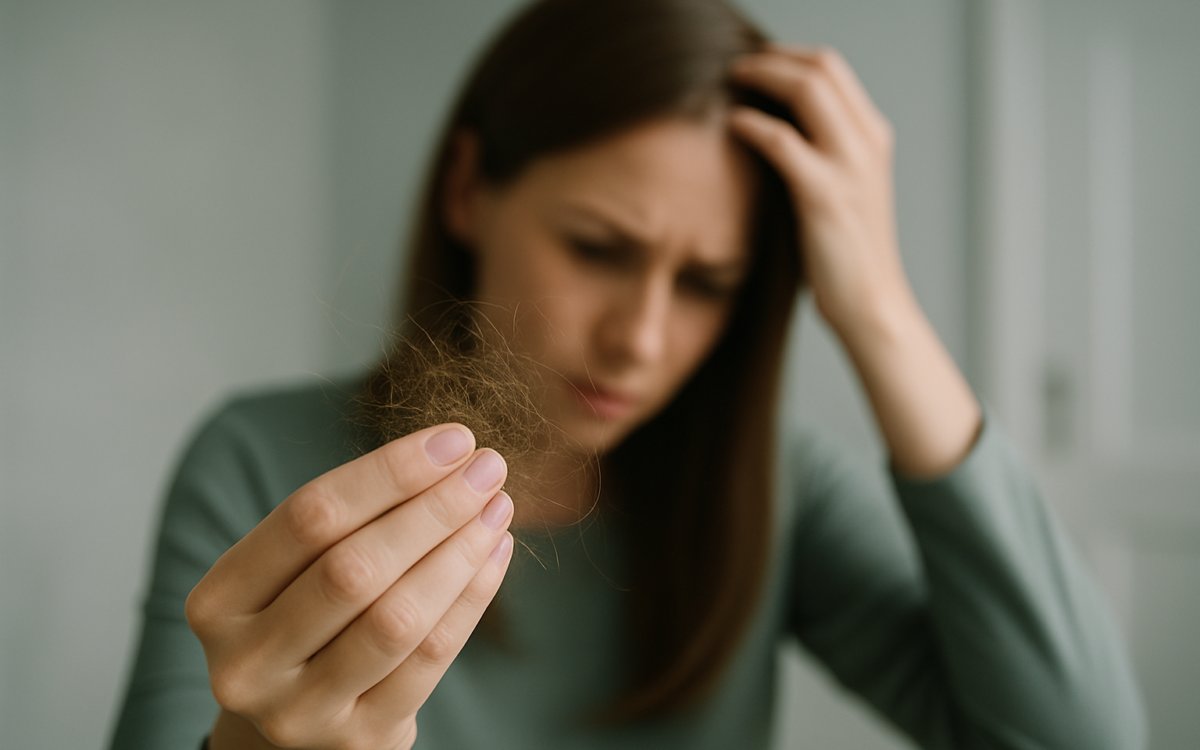
For many people, hair is a significant part of their identity. When hair begins to fall out, it can lead to feelings of self-doubt and concern. Understanding why hair is falling out is the first step in addressing the issue. Hair loss can stem from a variety of factors, ranging from genetics to lifestyle choices. In this article, we’ll explore the common reasons behind hair loss and provide insights into what you can do about it.
The Role of Genetics
One of the most common reasons for hair loss is genetics. If you have a family history of hair thinning or baldness, there’s a good chance you may experience it too. This type of hair loss, known as androgenetic alopecia, affects both men and women and can start as early as your 20s.
This condition is primarily linked to male hormones and genetic predisposition. It often manifests as a receding hairline or thinning on the crown of the head. For more in-depth information about genetic factors related to hair loss, you can check resources from the National Institutes of Health.
Hormonal Changes
Hormones play a crucial role in regulating hair growth. Changes in hormone levels due to pregnancy, childbirth, menopause, or thyroid issues can lead to hair loss. For example, many women notice that their hair thins after giving birth, a condition known as postpartum hair loss, which is usually temporary.
Thyroid disorders, when the thyroid gland doesn’t produce enough hormones or produces too much, can also disrupt the hair growth cycle. If you suspect your hair loss may be linked to hormonal changes, it’s important to discuss this with your healthcare provider.
Stress and Lifestyle Factors
Stress can have a significant impact on your overall health, including your hair. Traumatic events, prolonged stress, or anxiety can lead to a type of hair loss known as telogen effluvium. This occurs when more hair follicles than usual enter the resting phase of the hair growth cycle. The good news is that hair often grows back once the stressor is addressed.
Certain lifestyle choices can also contribute to hair loss. Poor nutrition, smoking, and inadequate sleep can affect hair health. A balanced diet rich in vitamins and minerals, particularly iron, vitamin D, and biotin, is essential for maintaining healthy hair. The Centers for Disease Control and Prevention offers guidance on maintaining a healthy diet that supports overall health, including hair growth.
Medical Conditions
Several medical conditions can lead to hair loss. Conditions like alopecia areata, an autoimmune disorder where the body attacks hair follicles, can result in sudden hair loss in patches. Other dermatological conditions, such as psoriasis and fungal infections, can also lead to thinning hair or bald spots.
If you are experiencing noticeable changes in your hair growth, it might be beneficial to consult a dermatologist for a proper diagnosis and potential treatment options.
Certain Medications
Many medications have side effects, including hair loss. Drugs used for treating cancer, arthritis, depression, heart problems, and high blood pressure can lead to hair falling out. If you suspect your medication is affecting your hair, consult your doctor. However, do not stop taking any prescribed medication without professional guidance.
Hair Care Practices
Sometimes, the way you treat your hair can lead to hair loss. Frequent use of heat styling tools, tight hairstyles like ponytails or braids, and harsh chemical treatments can weaken hair and contribute to breakage. To promote healthy hair, consider adopting gentler hair care practices, including limiting heat application and using milder cleansing products.
Embracing a hair care routine that focuses on nourishment and protection can help minimize damage and support hair health.
When to See a Doctor
If your hair loss is sudden, patchy, or affecting your self-esteem adversely, it’s wise to consult a doctor or a dermatologist. They can help identify the cause and recommend appropriate treatments. Additionally, if you notice accompanying symptoms like itching, redness, or scaling on the scalp, seek medical advice.
Understanding the various factors that contribute to hair loss can empower you to take charge of your hair health. While some causes are genetic and beyond your control, lifestyle adjustments and medical interventions can make a difference. Always consult your healthcare provider for personalized advice and support.
