
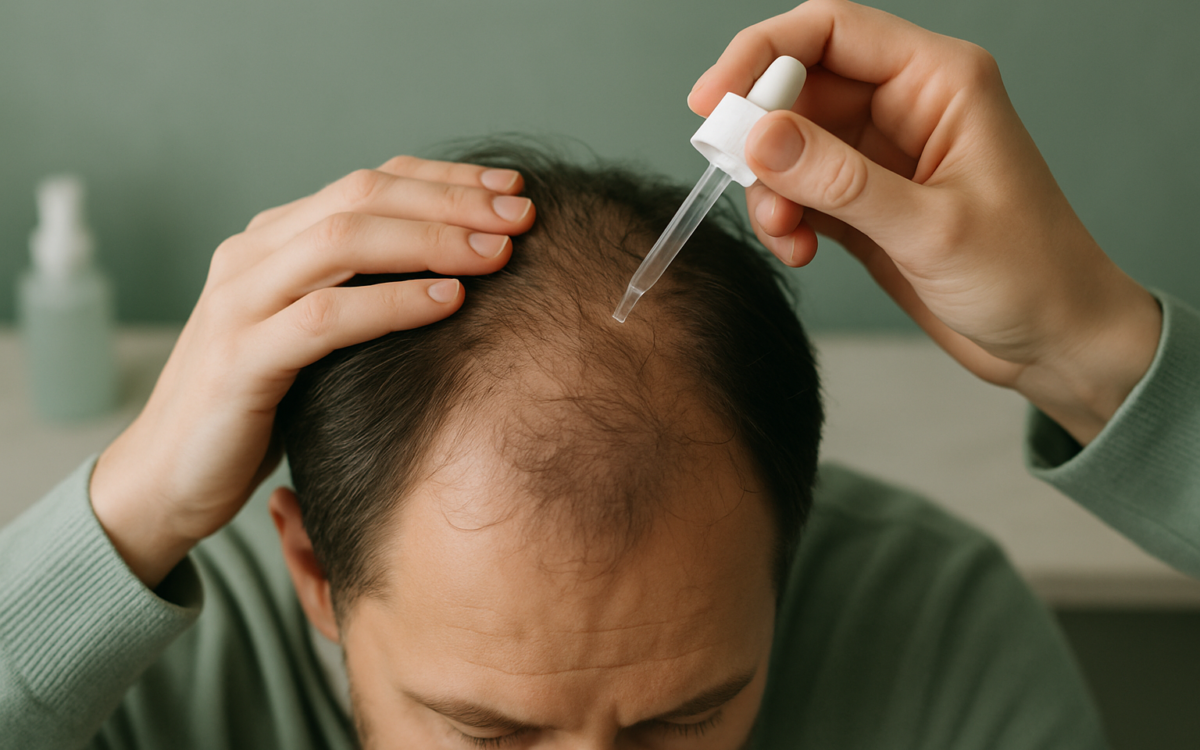
Hair loss can be a daunting experience for many, affecting self-esteem and confidence. Whether it’s due to genetics, stress, poor nutrition, or other factors, understanding the causes and effective measures can empower you to take control of your hair health. This article explores various methods to help stop hair loss and promote healthier hair growth.
Understanding the Causes of Hair Loss
Before exploring how to stop hair loss, it’s essential to understand what may be causing it. Hair loss can arise from numerous factors, including:
- Genetics: Also known as androgenetic alopecia, male pattern baldness is hereditary.
- Hormonal changes: Conditions like thyroid abnormalities can affect hair growth.
- Nutrition: A lack of essential nutrients, such as iron, protein, and vitamins, can lead to thinning hair.
- Stress: Both physical and emotional stress can trigger temporary hair loss known as telogen effluvium.
- Medical conditions: Autoimmune disorders, such as alopecia areata, may lead to sudden hair loss.
Identifying the underlying reason is crucial for effective treatment.
Nutrition: Fueling Healthy Hair
What you eat can significantly impact your hair health. A balanced diet rich in certain nutrients is vital for preventing hair loss:
- Protein: Hair is primarily made of keratin, a type of protein. Incorporate sources like lean meats, fish, beans, and nuts.
- Iron: Deficiency in iron can lead to hair loss. Include spinach, red meat, and lentils in your meals.
- Vitamins: Vitamins A, C, D, E, and Biotin are critical for growth. Fruits, vegetables, and fortified cereals can help provide these nutrients.
- Omega-3 fatty acids: These can promote hair growth. Sources include fatty fish, flaxseeds, and walnuts.
Consulting with a nutritionist or healthcare provider about your diet can help you ensure you are getting the necessary nutrients.
Hair Care Tips to Minimize Damage
Improper hair care can contribute to hair loss. Here are several tips to protect your hair:
- Gentle washing: Use a mild shampoo and avoid washing hair every day to prevent stripping it of natural oils.
- Condition regularly: Conditioners help maintain moisture and reduce breakage.
- Avoid heat: Limit the use of blow driers, flat irons, and curling irons, as excessive heat can weaken hair.
- Be cautious with styling: Tight hairstyles can cause traction alopecia, so consider looser alternatives.
Adopting a gentle hair care routine can reduce hair damage and encourage healthier growth.
Exploring Topical Treatments
Several topical treatments are available that may help prevent hair loss and promote regrowth:
- Minoxidil: This over-the-counter medication is applied directly to the scalp and has shown effectiveness for many people in stimulating hair growth. Studies have indicated a positive correlation between its use and hair regrowth in both men and women (NIH).
- Finasteride: Available by prescription, this treatment works internally to inhibit hormones responsible for hair loss. Consult your healthcare provider for advice on its suitability for you.
- Natural oils: Oils such as rosemary and peppermint may promote hair growth. Although evidence is limited, many people report positive results.
Always talk to your doctor before starting any new treatment to discuss potential side effects and effectiveness.
Managing Stress for Better Hair Health
Since stress can be a significant factor in hair loss, managing your stress levels can be crucial for maintaining healthy hair:
- Exercise: Regular physical activity boosts mood and reduces anxiety.
- Meditation and Yoga: These practices can promote relaxation and improve mental well-being.
- Sleep: Aim for 7-9 hours of quality sleep each night, as it plays a vital role in the body’s recovery and overall health.
Finding effective coping strategies to handle stress could benefit both your mental health and your hair.
Considering Professional Help
If you’ve tried various methods but hair loss continues, reaching out to a healthcare provider is essential. A dermatologist or trichologist can offer a thorough assessment and explore further treatment options, including:
- Hair transplants
- Platelet-rich plasma (PRP) therapy
- Other medical therapies
These professionals can provide personalized recommendations based on your specific needs and medical history. Additionally, understanding the biological and genetic factors influencing your hair health can lead to more targeted solutions.
When to See a Doctor
It’s advisable to consult a healthcare provider if:
- You notice sudden or patchy hair loss.
- Your hair loss is accompanied by symptoms like redness, itching, or scaling.
- You have a family history of hair loss and want to seek preventive measures.
A healthcare provider can help rule out underlying conditions that may be causing hair loss.
In conclusion, hair loss can be distressing, but understanding its causes and implementing effective strategies can make a significant difference. By focusing on nutrition, proper hair care, stress management, and seeking professional help when necessary, you can take meaningful steps towards stopping hair loss and embracing healthier hair.
