
Hair loss is a common concern for many men, affecting their confidence and self-image. The reasons behind hair loss can range from genetics to lifestyle factors. Fortunately, various treatment options are available that can help manage or even reverse hair loss. In this article, we’ll delve into the most popular treatments, their effectiveness, and other factors to consider.
Understanding Hair Loss in Men
Before exploring treatment options, it’s essential to understand why hair loss occurs. The most common type of hair loss in men is male pattern baldness, also known as androgenetic alopecia. This condition is largely hereditary and typically begins with a receding hairline or thinning of hair on the crown.
Hormones also play a significant role, particularly dihydrotestosterone (DHT), a derivative of testosterone that can shrink hair follicles over time, leading to hair loss. Other contributing factors may include stress, poor nutrition, and underlying health conditions, such as thyroid disorders.
Popular Medical Treatments
When it comes to managing hair loss, several medical treatments have proven effective. Here are some of the most common options:
Minoxidil
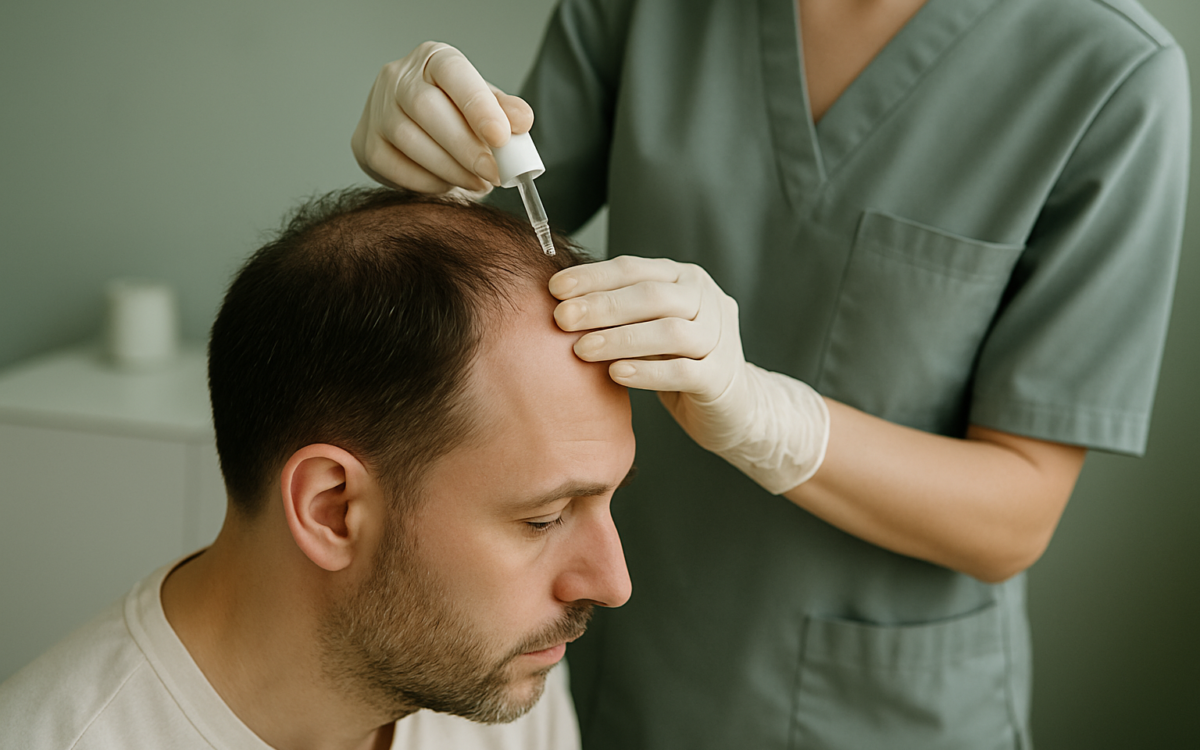
Minoxidil is a topical treatment available over the counter in liquid or foam forms. It’s applied directly to the scalp, where it works to stimulate hair follicles. Research suggests that minoxidil can slow hair loss and promote regrowth, particularly for those who are just starting to lose their hair. It’s most effective when used consistently for at least six months to a year. For more information, you can visit the NIH for a deeper dive into how minoxidil functions.
Finasteride
Finasteride is a prescription medication that helps treat male pattern baldness by blocking the formation of DHT. Studies show that finasteride can halt hair loss and result in regrowth for many men. However, this medication can take three to six months before noticeable results appear and may not be suitable for everyone due to potential side effects. Consult with your healthcare provider to see if finasteride is a good fit for you.
Surgical Options
If medical treatments aren’t effective or suitable, some men may consider surgical options for hair restoration:
Hair Transplant Surgery
This procedure involves moving hair follicles from one part of the scalp (the donor site) to the balding areas (the recipient site). The most common techniques are follicular unit transplantation (FUT) and follicular unit extraction (FUE). While hair transplant surgeries can deliver natural-looking results, they require careful consideration, including costs and recovery time.
Scalp Reduction and Flap Surgery
Scalp reduction involves surgically removing bald patches of the scalp, while flap surgery involves repositioning hair-bearing scalp to cover balding areas. These procedures are less common today due to the effectiveness of hair transplantation and the potential complications from surgery.
Lifestyle Changes to Help Prevent Hair Loss
In addition to medical treatments, implementing certain lifestyle changes may help reduce hair loss or improve overall scalp health. Here are a few strategies to consider:
- Maintain a Balanced Diet: Eating a healthy, well-balanced diet rich in vitamins and minerals is essential. Nutrients like vitamins A, C, D, E, zinc, iron, and protein support healthy hair growth.
- Manage Stress: Chronic stress can contribute to hair loss. Techniques such as mindfulness, yoga, and exercise can alleviate stress and promote mental well-being.
- Avoid Harsh Hair Treatments: Limit the use of heat styling tools and harsh chemicals that can damage hair. Gentle grooming practices can protect hair health.
- Quit Smoking: Some studies suggest that smoking may exacerbate hair loss, so quitting could help in maintaining hair health.
Alternative Treatments and Remedies
Many men explore alternative treatments for hair loss, although scientific evidence supporting their efficacy is often limited. Here are a few popular options:
Essential Oils
Some essential oils, like rosemary and peppermint, are believed to promote hair growth. While anecdotal evidence supports this idea, more rigorous scientific studies are needed to confirm their effectiveness.
Herbal Supplements
Saw palmetto and pumpkin seed oil are common herbal remedies that some believe can block DHT. However, it’s vital to consult with a healthcare professional before starting any supplements, as interactions with other medications can occur.
When to See a Doctor
If you’re experiencing significant hair loss or thinning, it’s essential to seek professional advice. A dermatologist or healthcare provider can help diagnose the underlying cause and recommend appropriate treatments. Early intervention is crucial for the best chances of success.
Conclusion
Hair loss can feel overwhelming, but several effective treatment options are available for men. Whether you opt for medical treatments, consider surgical interventions, or implement lifestyle changes, understand that you’re not alone in this journey. With the right approach and support from a healthcare professional, regaining your confidence and achieving healthier hair is within reach.
