
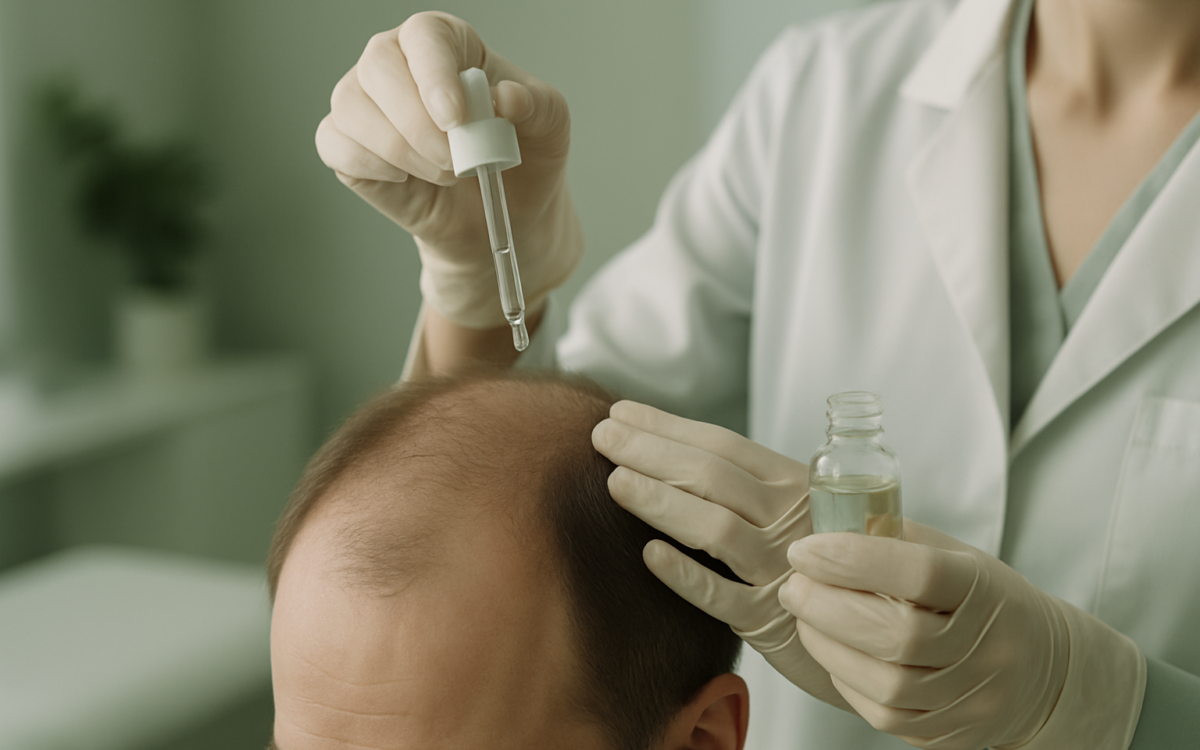
For many, losing hair can feel overwhelming. Whether it’s thinning strands or bald patches, hair loss affects millions around the world, impacting self-esteem and confidence. Fortunately, understanding the reasons behind hair loss and exploring various regrowth strategies can help many reclaim their hair—and their confidence.
Causes of Hair Loss
Before diving into solutions, it’s essential to understand what can cause hair loss. Various factors contribute to hair loss, including:
- Genetics: Hereditary patterns of hair loss, known as androgenetic alopecia, are the most common cause and can affect both men and women.
- Hormonal Changes: Conditions like pregnancy, menopause, or thyroid issues can lead to significant changes in hair growth.
- Medical Conditions: Health issues such as alopecia areata or scalp infections can also cause hair loss. Conditions like lupus or diabetes may indirectly lead to thinning hair.
- Stress: Physical stress and emotional distress can lead to temporary hair loss, commonly known as telogen effluvium.
- Medications: Certain medications, particularly those used for cancer, high blood pressure, or arthritis, may have hair loss as a side effect.
Hair Regrowth Strategies
After recognizing the causes of your hair loss, you can pursue various strategies for regrowth. Here are some evidence-backed options:
Medical Treatments
Several medical treatments are available for hair regrowth.
- Minoxidil: This topical solution can stimulate hair follicles and promote growth. Available over-the-counter, it has been shown to work for both men and women. However, results can take several months to become noticeable. For access to more scientific information, visit the NIH website.
- Finasteride: A prescription medication for men that helps prevent further hair loss and promotes regrowth by blocking the hormone responsible for thinning.
- Platelet-Rich Plasma (PRP) Therapy: This emerging treatment uses the patient’s own blood to stimulate hair follicles. Clinical studies suggest it can be effective, but research is ongoing.
Natural Remedies
Many individuals prefer natural options for hair regrowth.
- Alopecia Areata Treatments: Research has shown that some supplements, such as biotin, may support hair health, though conclusive evidence is limited.
- Essential Oils: Oils like rosemary and peppermint have been linked to hair growth in some studies, possibly by stimulating blood circulation to the scalp.
- Diet: A well-balanced diet rich in vitamins, minerals, and proteins can promote healthy hair. Nutrients such as iron, vitamin D, and omega-3 fatty acids are crucial for hair health.
Lifestyle Changes for Hair Health
Your daily habits can significantly affect hair health. Consider these lifestyle adjustments to support hair regrowth:
Stress Management
Since stress can trigger hair loss, it’s vital to find ways to manage stress effectively. Techniques such as mindfulness, yoga, and regular exercise can help reduce stress levels.
Scalp Care
A healthy scalp promotes healthy hair. Regularly cleansing the scalp to remove dead skin cells and using gentle hair products can help. Avoid harsh chemicals and opt for sulfate-free shampoos.
Regular Hair Trims
While trimming hair won’t make it grow faster, it can eliminate split ends and breakage, allowing your hair to look healthier overall.
Hair Regrowth Myths
Several misconceptions about hair loss may hinder your journey toward regrowth. Some common myths include:
- Wearing Hats Causes Hair Loss: This is false; hats don’t cause hair loss unless they are excessively tight, leading to traction alopecia.
- Only Older Adults Experience Hair Loss: Hair loss can affect individuals of all ages, often starting in young adulthood.
- Hair Products Can Cure Hair Loss: While certain products may promote a healthier look, most don’t directly prevent hair loss.
When to See a Doctor
If you experience sudden or patchy hair loss, it’s essential to consult a healthcare professional. They can help identify the underlying cause of hair loss and recommend appropriate treatments. A doctor will also assist in determining whether any medications you are taking could be contributing to the issue.
Conclusion
Hair regrowth is a journey that requires understanding the causes of hair loss and exploring various strategies for recovery. Whether you choose medical treatments, natural remedies, or lifestyle adjustments, each approach offers unique benefits. If you’re struggling with hair loss, consult a healthcare professional to guide you toward the best path for your hair health.
