
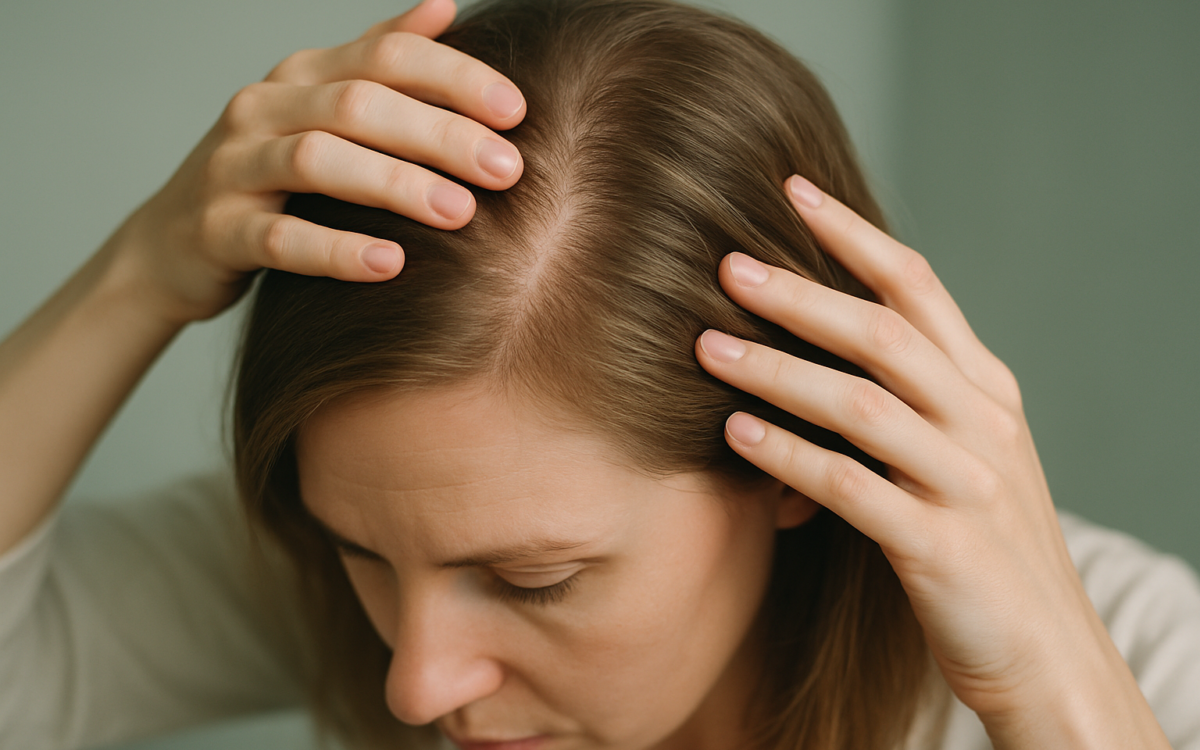
Hair thinning is a common concern that affects many people, regardless of age or gender. While it can be distressing, understanding the various causes of hair thinning can help you address the issue effectively. In this article, we’ll explore some of the most common reasons for hair thinning, as well as guidance on when it might be time to seek medical advice.
1. Genetics and Hereditary Factors
One of the leading causes of hair thinning is genetic predisposition. This condition, often referred to as androgenetic alopecia, is characterized by a gradual thinning of hair on the scalp. It is commonly known as male or female pattern baldness and is influenced by hormones, specifically androgens. If your family has a history of hair loss, you may be more susceptible to this condition. Researchers at the National Institutes of Health have identified specific genes that play a significant role in this hereditary type of hair loss.
2. Hormonal Changes
Hormonal fluctuations can also contribute to hair thinning. This can occur during key life stages, such as puberty, pregnancy, or menopause, when hormone levels fluctuate significantly. For instance, women may experience hair thinning during menopause due to decreased estrogen levels. Similarly, some hormonal disorders, such as polycystic ovary syndrome (PCOS), can lead to hormonal imbalances that result in hair thinning. The World Health Organization recognizes these changes as part of the body’s natural progression.
3. Nutritional Deficiencies
Your diet plays a crucial role in hair health. Lack of essential nutrients, such as proteins, iron, vitamin D, and zinc, can lead to hair thinning. Proteins are vital for hair structure, while iron and zinc are important for promoting healthy hair growth. If you suspect your hair thinning may be due to nutritional deficiencies, consider consulting a healthcare professional. A balanced diet rich in vitamins and minerals can help maintain strong and healthy hair.
4. Stress and Lifestyle Factors
Stress can have a significant impact on various aspects of your health, including hair growth. Emotional stress can trigger conditions like telogen effluvium, which causes hair to enter a resting state, leading to increased shedding. Additionally, lifestyle factors such as smoking, lack of sleep, and inadequate hydration can exacerbate hair thinning. Finding effective stress management techniques, such as exercise or meditation, can positively influence hair health.
5. Medical Conditions and Treatments
Certain medical conditions can lead to hair thinning. Examples include thyroid disorders, autoimmune diseases, and scalp conditions like psoriasis or dermatititis. When the body experiences an autoimmune response, it may mistakenly attack hair follicles, resulting in hair loss. Furthermore, some medications, such as those used for cancer treatment or blood pressure management, can also contribute to hair thinning as a side effect. Always discuss any concerns regarding medications with your healthcare provider.
6. Environmental Factors
Environmental factors such as exposure to toxins, pollution, and harsh hair care products can adversely affect your hair health. For example, chemical treatments or excessive heat styling can weaken hair over time. It’s essential to be mindful of the products you use on your hair and opt for gentle, natural options whenever possible. Ensuring a healthy environment for your hair can help combat thinning.
When to See a Doctor
If you notice significant hair thinning or sudden hair loss, it is important to consult a healthcare professional. They can help determine the underlying cause and recommend appropriate treatments. Early intervention may lead to better outcomes and help preserve your hair health.
In conclusion, hair thinning can result from a combination of genetic, hormonal, nutritional, and environmental factors. By understanding these causes, you can take proactive steps in addressing your hair health and improving overall well-being. Don’t hesitate to seek professional advice if you’re unsure about the cause of your hair thinning or if it is causing you distress.
