
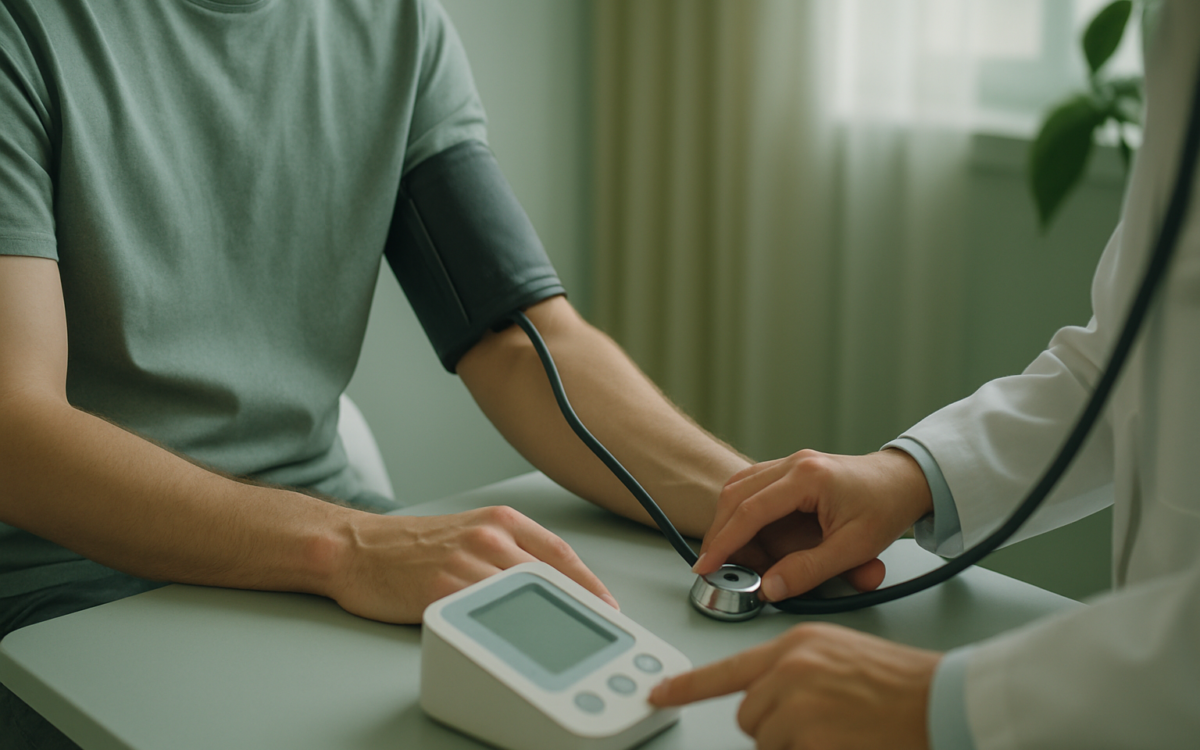
Blood pressure is one of those health numbers that often goes unnoticed, yet it plays a crucial role in our overall well-being. Understanding what constitutes healthy blood pressure can empower you to take control of your health and make informed decisions about your lifestyle.
What is Blood Pressure?
Blood pressure measures the force of blood pushing against the walls of your arteries as your heart pumps it around your body. It is expressed as two numbers: systolic pressure (the higher number) and diastolic pressure (the lower number). Systolic pressure occurs when the heart contracts, while diastolic pressure is measured when the heart is at rest between beats.
Blood Pressure Readings Explained
Blood pressure is measured in millimeters of mercury (mm Hg) and typically written as two numbers. For example, a reading of 120/80 mm Hg indicates a systolic pressure of 120 and a diastolic pressure of 80.
The American Heart Association (AHA) categorizes blood pressure as follows:
- Normal: Less than 120/80 mm Hg
- Elevated: Systolic between 120-129 and diastolic less than 80
- Hypertension Stage 1: Systolic between 130-139 or diastolic between 80-89
- Hypertension Stage 2: Systolic 140 or higher or diastolic 90 or higher
- Hypertensive Crisis: Systolic higher than 180 and/or diastolic higher than 120
It’s important to note these categories can vary somewhat between different health organizations, but generally, these guidelines serve as a solid reference point. For more in-depth information, you can visit the American Heart Association.
Why is Healthy Blood Pressure Important?
Having healthy blood pressure is pivotal for your heart and overall health. When blood pressure is too high, it can cause serious complications, including:
- Heart disease
- Stroke
- Kidney damage
- Vision loss
- Metabolic syndrome
Regular monitoring and maintaining a healthy blood pressure can significantly lower these risks. According to the CDC, nearly half of adults in the United States have high blood pressure, which often goes undiagnosed.
How to Maintain Healthy Blood Pressure
Maintaining healthy blood pressure often involves a combination of lifestyle choices and, in some cases, medication. Here are some practical tips to help you stay in the healthy range:
1. Eat a Balanced Diet
Your diet plays an essential role in managing your blood pressure. Focus on a diet rich in fruits, vegetables, whole grains, and lean proteins. The Mediterranean and DASH (Dietary Approaches to Stop Hypertension) diets are excellent choices.
2. Stay Active
Regular physical activity can help lower your blood pressure. Aim for at least 150 minutes of moderate exercise each week. Activities can include walking, swimming, or cycling.
3. Monitor Your Weight
Being overweight can raise your blood pressure. Losing even a small amount of weight can help reduce your risk. Combining a healthy diet with regular exercise can be effective in managing your weight.
4. Limit Alcohol Intake and Quit Smoking
Excessive alcohol consumption can lead to increased blood pressure. Limiting alcohol to moderate levels can help. Additionally, smoking is a major risk factor for heart disease and can elevate blood pressure, so quitting is beneficial for overall health.
5. Manage Stress
Long-term stress can contribute to high blood pressure. Practicing relaxation techniques such as yoga, meditation, or deep-breathing exercises can help manage stress effectively.
When to Measure Your Blood Pressure
For most healthy adults, it is advisable to check blood pressure at least once a year during a regular medical check-up. However, individuals with risk factors for hypertension or those who have high blood pressure should monitor their levels more frequently. Home blood pressure monitors can be a useful tool for keeping track of your numbers in between doctor visits. You can find more information about home monitoring on reputable sites like the Mayo Clinic.
When to See a Doctor
If you consistently find that your blood pressure readings are in the elevated or hypertensive range, it is important to consult a healthcare professional. They can help assess your overall health and determine the right actions you may need to take. Symptoms such as headaches, shortness of breath, or chest pain should prompt immediate medical attention.
Conclusion
Understanding what healthy blood pressure means is vital for maintaining good health. By being aware of your blood pressure readings and making conscious lifestyle choices, you can help lay the foundation for a healthier future. Regular monitoring and consultation with your healthcare provider will ensure that you remain on track. Take control of your health today and don’t hesitate to reach out for help when necessary.
