
Heart attacks are serious medical emergencies that can happen suddenly and without warning. Knowing how to diagnose a heart attack can save lives, including your own or someone you love. Understanding the signs and symptoms of a heart attack is crucial, as early intervention can significantly improve outcomes.
Recognizing Common Symptoms
The symptoms of a heart attack can vary widely among individuals. While some people experience classic symptoms, others may present with more subtle or atypical signs. Common symptoms include:
- Chest Pain or Discomfort: Often described as a feeling of pressure, squeezing, fullness, or pain in the center or left side of the chest. This discomfort can last for more than a few minutes or go away and come back.
- Pain in Other Areas: Pain may radiate to the arms, back, neck, jaw, or stomach.
- Shortness of Breath: This might occur with or without chest discomfort and can happen even when you’re not exerting yourself.
- Cold Sweat, Nausea, or Lightheadedness: Some individuals may also experience these additional symptoms.
According to the Mayo Clinic, women may experience different heart attack symptoms than men, such as unusual fatigue, sleep disturbances, or anxiety.
How Heart Attacks are Diagnosed
If you suspect someone is having a heart attack, act quickly. The following are common methods healthcare professionals use to diagnose a heart attack:
Medical History and Symptoms Review
The first step usually involves a doctor asking about the patient’s medical history and symptoms. This might include questions about:
- Any previous heart problems
- Family history of heart disease
- Current medications and lifestyle factors such as smoking or diet
Physical Examination
Next, a healthcare provider will conduct a physical examination to check vital signs, such as heart rate and blood pressure, and to look for signs of heart failure.
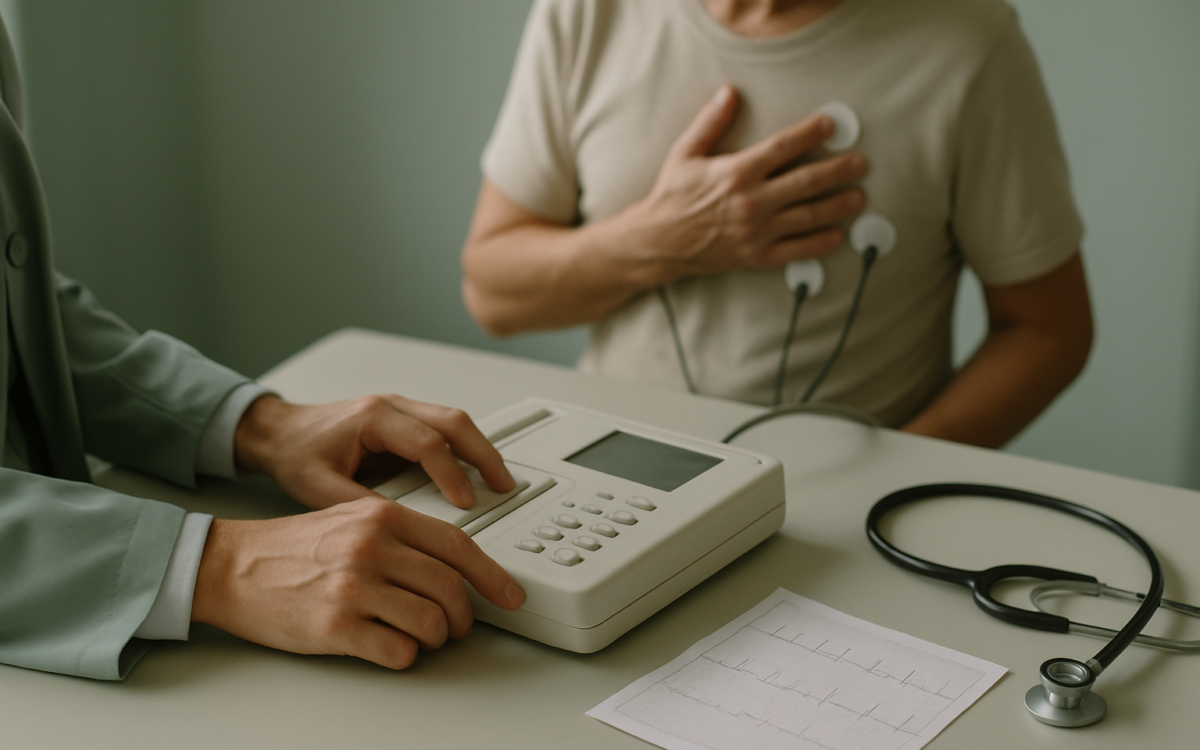
Electrocardiogram (ECG or EKG)
An ECG is a crucial tool in diagnosing a heart attack. It records the electrical activity of the heart and can reveal abnormalities suggestive of a heart attack. Changes in the heart’s electrical signals are often seen during such an event.
Cardiac Biomarker Tests
Doctors may also order blood tests to check for cardiac biomarkers. These are substances the heart releases when it’s damaged. Two primary biomarkers are:
- Troponin: Levels of this protein increase when there is damage to the heart muscle, making it a key indicator of a heart attack.
- Creatine Kinase-MB (CK-MB): Another enzyme that rises when the heart muscle is damaged, but is less commonly used.
The National Institutes of Health emphasizes that these tests are vital for confirming whether a heart attack has occurred.
Imaging Tests for Further Evaluation
If the initial tests indicate a possible heart attack, further imaging tests may be needed. These can include:
Chest X-ray
This test helps visualize the heart, lungs, and blood vessels to rule out other causes of symptoms.
Echocardiogram
An echocardiogram uses sound waves to create moving images of the heart, allowing doctors to see how well the heart is pumping and to identify any areas of damage.
Coronary Angiography
In some cases, a coronary angiography may be performed. This procedure uses dye and special X-rays to see how blood flows through the coronary arteries.
Risk Factors and Prevention
Being aware of risk factors associated with heart attacks can help you take preventive measures. Common risk factors include:
- High blood pressure
- High cholesterol
- Smoking
- Diabetes
- Obesity
- Lack of physical activity
- Unhealthy diet
Making lifestyle changes, such as eating a heart-healthy diet, exercising regularly, and quitting smoking, can significantly reduce the risk of a heart attack. The World Health Organization (WHO) provides resources and guidelines for maintaining heart health.
When to See a Doctor
If you or someone you know experiences signs of a heart attack, it’s vital to seek emergency medical help immediately. Do not wait for symptoms to improve, as prompt treatment is essential. Similarly, if you experience unusual or persistent symptoms related to heart health, consult a healthcare provider for an evaluation.
Conclusion
Understanding how to diagnose a heart attack can be life-saving. By recognizing the symptoms and knowing what steps to take, you can act quickly in a critical situation. Always prioritize your heart health through lifestyle choices and regular check-ups. Remember, if you ever feel something is wrong, consult your doctor for the right evaluation and guidance.
