
Heart health is essential for overall well-being, but many people may not realize they are at risk of heart blockage until symptoms appear. Understanding how to check for heart blockage can empower you to take charge of your health and make informed decisions.
What is Heart Blockage?
Heart blockage refers to a narrowing or obstruction in the arteries supplying blood to the heart. When arteries become blocked, it restricts blood flow and can lead to serious health issues, including heart attacks and heart disease. Blockages often occur due to a buildup of fatty deposits (plaque) in the arteries.
Recognizing the Symptoms
Not everyone with heart blockage experiences noticeable symptoms. However, there are several signs to watch for:
- Chest Pain or Discomfort: This may feel like pressure, squeezing, or fullness, and can often radiate to the arms, neck, or back.
- Shortness of Breath: An unexplained feeling of breathlessness, especially with physical exertion, can indicate a blockage.
- Fatigue: If you feel unusually tired, even without heavy activity, it could be a sign that the heart is not receiving enough oxygen-rich blood.
- Nausea or Lightheadedness: Feeling sick to your stomach or dizzy can sometimes be attributed to inadequate blood flow to the heart.
Recognizing these symptoms early is crucial for prompt medical intervention.
Proven Methods to Check for Heart Blockage
There are several diagnostic tests that doctors can use to determine the presence of heart blockage:
1. Non-Invasive Imaging Tests
These tests help visualize the condition of the heart and blood vessels:
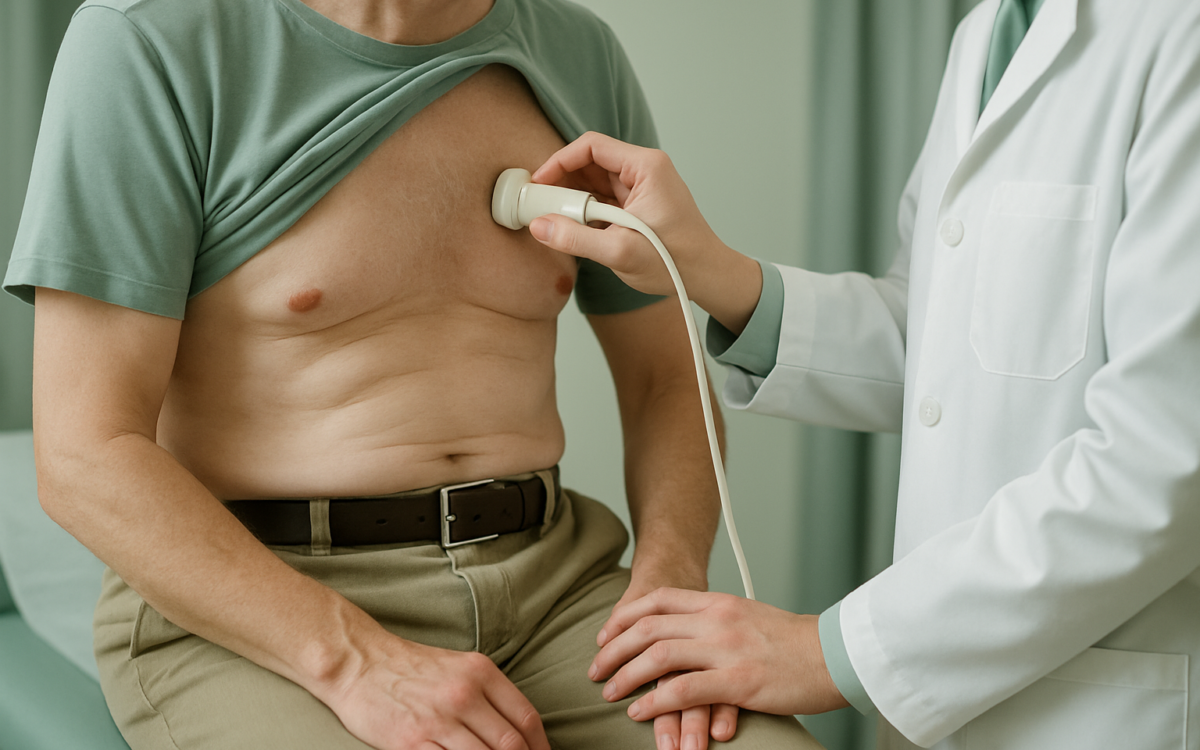
- Echocardiogram: This ultrasound test shows how well your heart is functioning and can detect areas of the heart that may not be receiving enough blood.
- Stress Test: Here, your heart is monitored while you exercise or are given medication to simulate exercise. This helps assess how your heart performs under stress.
- CT Angiography: A specialized X-ray that provides detailed images of the blood vessels in and around the heart.
2. Invasive Procedures
If non-invasive tests suggest heart blockage, your doctor may recommend more invasive tests such as:
- Coronary Angiography: A catheter is inserted through a blood vessel and guided to the coronary arteries. A contrast dye is injected to make the arteries visible on X-rays.
- Cardiac Catheterization: This procedure not only helps visualize blockages but also allows for treatments such as balloon angioplasty or stent placement.
The Role of Lifestyle Changes
Making lifestyle changes is essential not only for prevention but also for managing existing heart blockage. Here are some recommendations:
- Eat a Heart-Healthy Diet: Focus on fruits, vegetables, whole grains, lean proteins, and healthy fats while reducing sugary and processed foods.
- Regular Exercise: Aim for at least 150 minutes of moderate aerobic activity each week. Physical activity is beneficial for heart health.
- Avoid Tobacco and Limit Alcohol: Smoking is a major risk factor for heart disease. Reducing alcohol intake can also benefit heart health.
For those seeking international options, learning about treatment in Turkey can provide a different perspective on accessing cardiac care.
How Often Should You Get Checked?
It’s essential to schedule regular check-ups with your healthcare provider. The frequency of these check-ups depends on your risk factors, including age, family history of heart disease, and existing medical conditions. Generally, adults should start having regular heart health screenings in their 20s and 30s, with increased frequency as they age or if they have risk factors.
When to See a Doctor
If you experience any symptoms of heart blockage, such as chest pain, shortness of breath, or fatigue, seek medical advice promptly. Even if your symptoms are mild, they should not be ignored. Early detection is key to effective treatment and better outcomes.
Final Thoughts
Being informed about heart health and knowing the signs of heart blockage can play a critical role in prevention and treatment. Be proactive in scheduling regular check-ups, and do not hesitate to discuss any concerning symptoms with your healthcare provider.
