
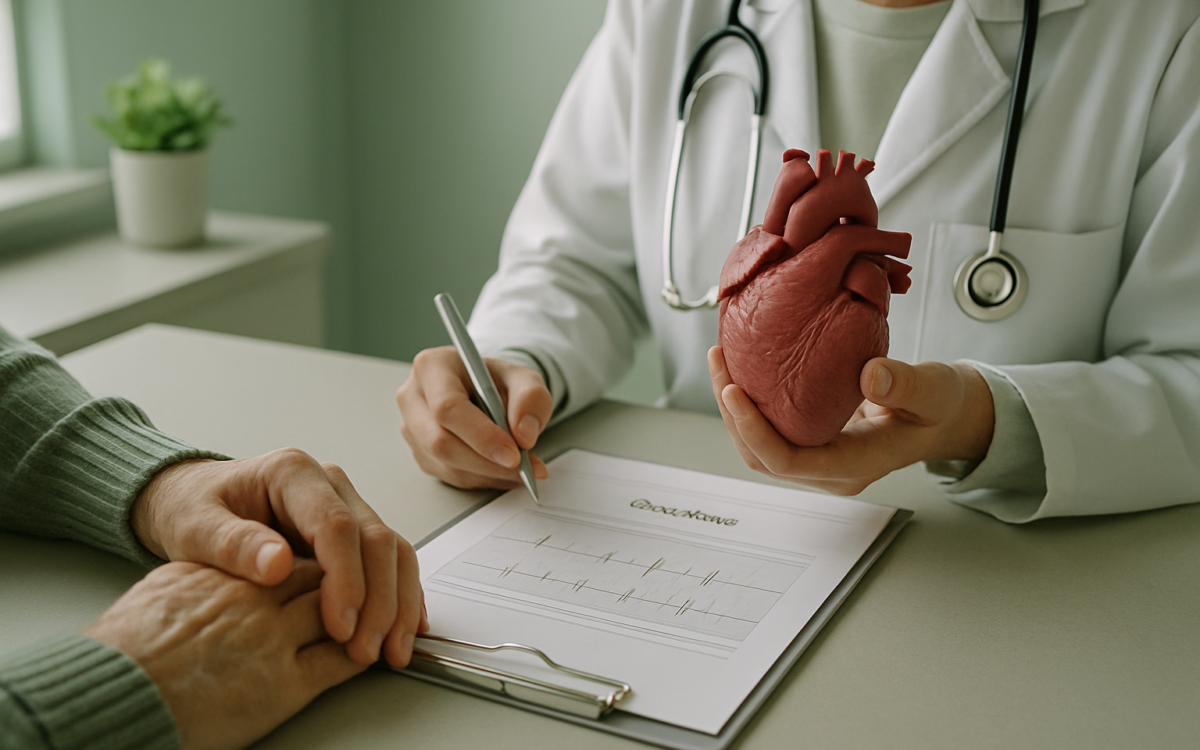
Heart disease is a leading cause of death worldwide, making its diagnosis an essential aspect of maintaining health. Understanding how heart disease is diagnosed can empower you to take proactive steps for your well-being. In this article, we’ll break down the diagnosis process, the tests involved, and what you can do to reduce your risk.
The Importance of Diagnosis
Early diagnosis of heart disease can be life-saving. It allows for timely treatment and better management of the condition. Many people may not experience noticeable symptoms until the disease has progressed to a severe stage. Therefore, being aware of the potential signs of heart disease and the diagnostic process is crucial.
Recognizing Risk Factors
Before diving into the diagnosis itself, it’s essential to recognize the common risk factors associated with heart disease. Some of the primary risk factors include:
- Age: Risk increases as you get older.
- Family History: Genetics can play a significant role.
- Lifestyle Choices: Lack of physical activity, poor diet, smoking, and excessive alcohol consumption can contribute.
- Chronic Conditions: Conditions such as diabetes, high blood pressure, and high cholesterol increase risk.
Being aware of these risk factors can help guide discussions with your healthcare provider regarding the need for diagnostic testing.
Common Diagnostic Tests
If you or your doctor suspect heart disease, several tests can confirm a diagnosis:
1. Physical Examination
Your doctor will typically start with a physical exam. They will review your medical history, listen to your heart, check blood pressure, and look for signs of heart disease.
2. Blood Tests
Blood tests can provide valuable information about your heart health. They can check cholesterol levels, blood sugar, and markers that indicate heart muscle damage, such as troponin.
3. Electrocardiogram (ECG or EKG)
This test measures the electrical activity of your heart. An ECG can help detect irregular heart rhythms, signs of a previous heart attack, or other heart conditions.
4. Echocardiogram
An echocardiogram is an ultrasound of the heart, allowing physicians to see its size, shape, and function. It can help identify problems with the heart’s chambers and valves.
5. Stress Tests
Stress tests measure your heart’s ability to respond to physical exertion. They typically involve walking on a treadmill while monitoring heart function and rhythm.
6. Imaging Tests
Advanced imaging tests like coronary angiography can provide details about the arteries and identify blockages. These tests are often used to assess the severity of heart disease.
These various tests are important tools in helping to evaluate heart health. Based on the results, your doctor can recommend appropriate treatment options.
Understanding Symptoms
Recognizing the symptoms of heart disease is critical for early diagnosis. Some common symptoms include:
- Chest pain or discomfort
- Shortness of breath
- Fatigue
- Heart palpitations
- Sweating
- Swelling in the legs or ankles
If you experience any of these symptoms, particularly if they are new or unusual for you, it’s essential to consult a healthcare professional promptly.
Preventive Measures
<pWhile diagnosis is vital, preventing heart disease is equally important. Taking proactive steps to maintain heart health can significantly reduce your risk. Consider these strategies:
- Maintain a Healthy Diet: Focus on a balanced diet rich in fruits, vegetables, whole grains, and lean proteins.
- Stay Active: Aim for at least 150 minutes of exercise each week.
- Avoid Tobacco: Quitting smoking dramatically improves heart health.
- Monitor Health Conditions: Keep an eye on conditions such as diabetes, high blood pressure, and high cholesterol.
- Limit Alcohol Consumption: Drink in moderation if you consume alcohol.
Making these lifestyle changes can help reduce the risk of heart disease and enhance overall health.
When to See a Doctor
If you have a family history of heart disease or are experiencing symptoms such as persistent chest pain, shortness of breath, or fatigue, make an appointment with your healthcare provider. Regular check-ups can lead to early detection and effective management of heart disease.
Conclusion
Understanding heart disease diagnosis is crucial for safeguarding your health. By being aware of risk factors, recognizing symptoms, and attending regular check-ups, you can take control of your heart health. Remember, when in doubt, always consult your doctor. Early intervention and proactive measures are key to a healthier heart.
