
Heart disease is a leading cause of death worldwide, making it crucial for individuals to understand their heart health. Knowing how to be tested for heart disease can empower you to take charge of your wellbeing. This guide will walk you through the various tests available, the importance of early detection, and what to expect during the process.
What is Heart Disease?
Heart disease refers to any condition that affects the heart’s structure and function. This includes coronary artery disease, heart rhythm disorders, and heart defects. Risk factors can range from lifestyle choices—like poor diet and lack of exercise—to genetic predispositions. Understanding these factors can help you determine if you should seek testing for heart disease.
Why Is Testing Important?
Testing can detect heart disease before symptoms appear. Early detection allows for timely intervention, which can significantly reduce the risk of severe complications such as heart attacks and strokes. According to the National Heart, Lung, and Blood Institute, knowing your heart health can guide lifestyle changes and treatment decisions.
Types of Heart Disease Tests
There are a variety of tests available to assess heart health. Depending on your individual risk factors and symptoms, your doctor may recommend one or more of the following:
- Blood Pressure Measurement: High blood pressure increases the risk of heart disease.
- Cholesterol Levels: A blood test that measures the levels of different types of cholesterol in your body.
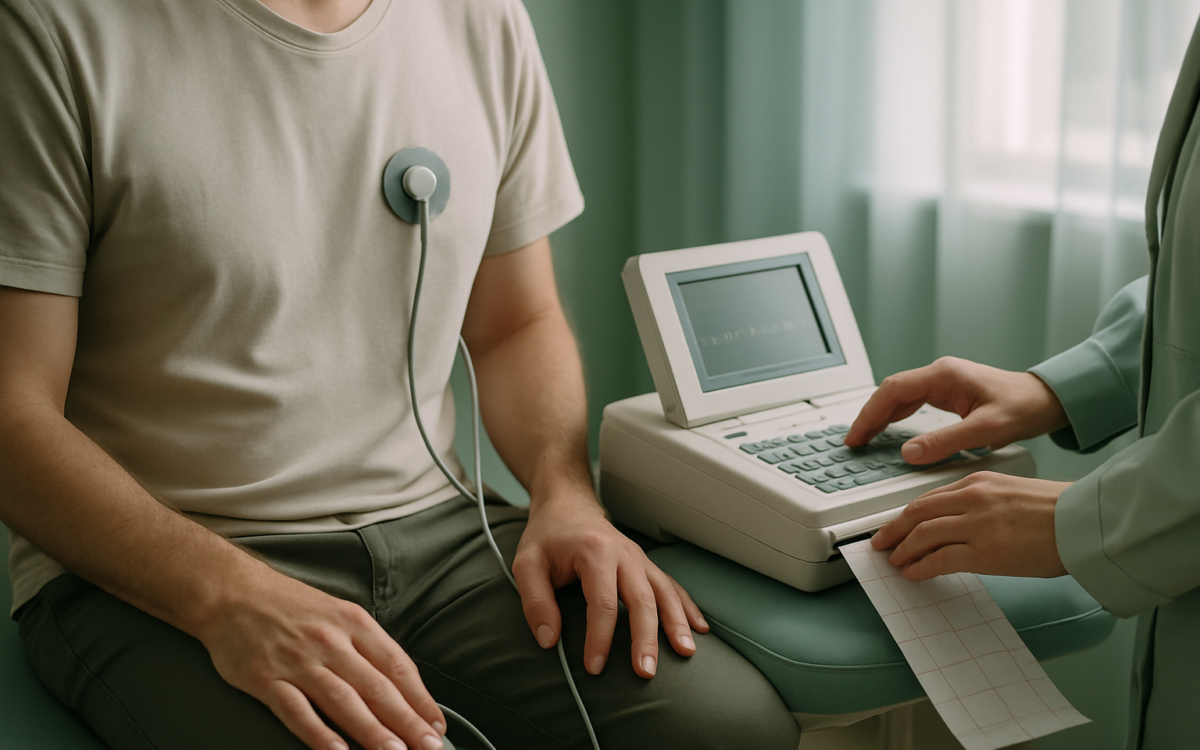
- Electrocardiogram (ECG or EKG): Measures the electrical activity of your heart to identify irregularities in heart rhythm.
- Echocardiogram: An ultrasound test that uses sound waves to create images of your heart, providing information about its size, structure, and function.
- Stress Testing: Monitors heart performance under physical stress, often involving exercise on a treadmill or stationary bike.
- Coronary Angiography: A specialized X-ray that examines the blood vessels of the heart, often performed if there are concerns about blockages.
Preparing for Your Heart Disease Test
Preparation for heart disease testing can vary depending on the type of test scheduled. Here are some general steps to consider:
- Consult Your Doctor: Discuss your symptoms, medical history, and risk factors. This will help your doctor determine the appropriate tests.
- Follow Pre-Test Instructions: Depending on the test, you may need to avoid certain foods or medications before your appointment.
- Bring Relevant Information: Have a list of medications, a record of your symptoms, and any family history of heart disease ready for your appointment.
- Stay Calm: It’s normal to feel anxious before tests. Practicing relaxation techniques can help.
What to Expect During Testing
Each test has its own procedure, but here’s a general idea of what you might encounter:
- Blood Tests: Simple and quick; blood will be drawn from a vein in your arm.
- EKG: Painless; electrodes are placed on your chest, arms, and legs to record heart activity.
- Echocardiogram: Non-invasive; a gel is applied to your chest, and a transducer is moved over it to capture heart images.
- Stress Test: You’ll be monitored while walking on a treadmill or cycling, often combined with an EKG.
- Coronary Angiography: Involves inserting a catheter into a blood vessel, often done under local anesthesia.
Interpreting Test Results
After testing, your doctor will explain the results to you. Key points they might cover include:
- Normal Results: Indicate a lower likelihood of heart disease.
- Abnormal Results: May require further investigation or treatment options.
- Next Steps: Discuss lifestyle changes or medications that could help manage your heart health.
When to See a Doctor
It’s essential to consult a doctor if you experience symptoms such as persistent chest pain, shortness of breath, or unusual fatigue. Additionally, if you have risk factors like high blood pressure, high cholesterol, or a family history of heart disease, regular screenings are vital.
Conclusion
Understanding how to be tested for heart disease is the first step toward taking control of your cardiovascular health. By recognizing the importance of early detection and familiarizing yourself with the testing process, you can work with your healthcare provider to develop a heart health plan tailored to your needs. Remember, the goal is not just to detect problems but also to promote a healthy lifestyle that can help keep your heart functioning well for years to come.
