
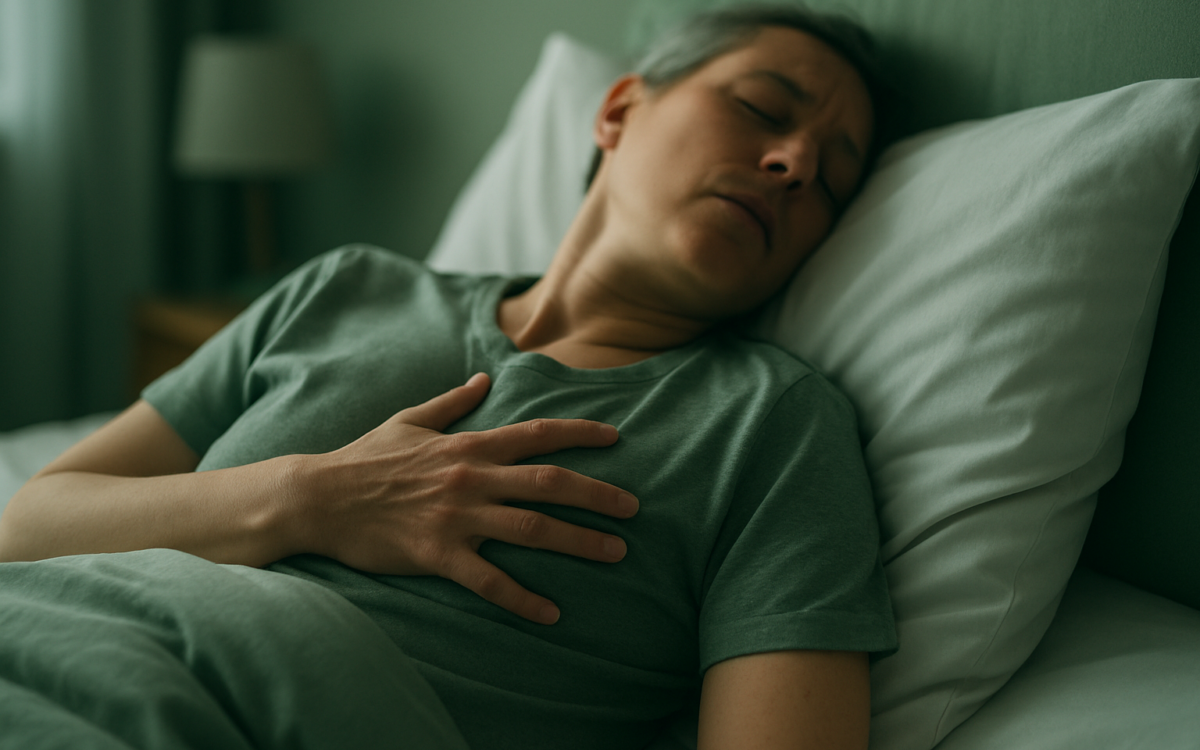
Have you ever felt your heart racing or beating irregularly while trying to relax at night? For many, heart palpitations at night can create feelings of anxiety or confusion. While it’s normal to experience palpitations occasionally, understanding their underlying causes is important for your heart health and peace of mind.
What Are Heart Palpitations?
Heart palpitations are sensations where it feels like your heart is pounding, fluttering, or beating irregularly. They can occur at any time, but many people notice them more at night when they are quiet and still. These sensations can last for a few seconds or even longer, sometimes making it difficult to fall asleep.
Common Causes of Nocturnal Palpitations
It’s essential to recognize that heart palpitations can stem from a variety of factors, some of which may be benign while others may require attention. Here are some common causes:
- Anxiety and Stress: Increased stress and anxiety levels can elevate your heart rate, particularly when you’re winding down for the night.
- Caffeine and Stimulants: Consuming caffeine, nicotine, and some medications late in the day can trigger palpitations during the night.
- Hormonal Changes: Women’s menstruation cycles, pregnancy, and menopause can lead to changes in heart rhythm, causing palpitations.
- Sleep Disorders: Conditions like sleep apnea can disrupt normal heart rhythms and increase the risk of palpitations.
- Underlying Health Conditions: Issues such as hyperthyroidism, anemia, or heart disease may contribute to nocturnal palpitations.
How to Distinguish Normal Palpitations from Worrisome Signs
While many heart palpitations are harmless, it’s crucial to know when they might signal a more serious issue. Here are some characteristics to watch for:
- Duration: Palpitations that last longer than a few seconds should be taken seriously.
- Symptoms: Accompanying symptoms such as chest pain, fainting, shortness of breath, or severe dizziness may indicate a need for medical evaluation.
- Frequency: Frequent or progressively worsening palpitations should prompt a discussion with your doctor.
Lifestyle Factors Contributing to Nighttime Palpitations
In addition to common medical conditions, certain lifestyle choices can contribute to nighttime palpitations:
- Diet: Eating large meals or consuming spicy or heavy foods close to bedtime can disrupt your digestive system and lead to heart palpitations.
- Alcohol Consumption: Drinking alcohol, especially in excess, can become a trigger for nighttime heart rhythm changes.
- Sleep Hygiene: Poor sleep habits, such as irregular sleep schedules or lack of restful sleep, can impact your overall heart rhythm.
Heart Palpitations and International Treatment Options
If you’re experiencing heart palpitations and seeking a thorough evaluation, it may be worthwhile to explore international patient services that offer specialized cardiac care. Many healthcare facilities around the world provide advanced diagnostics and treatments for heart-related issues, ensuring you get the best care possible regardless of your location.
When to See a Doctor
While occasional heart palpitations can be normal, there are times when it’s essential to consult a healthcare professional:
- If palpitations occur frequently or last more than a few minutes.
- If you experience accompanying symptoms like chest pain or difficulty breathing.
- If there are significant changes in your personal or family medical history.
Your doctor can help determine whether these episodes are a benign occurrence or a sign of an underlying condition that needs attention. They may recommend tests such as an electrocardiogram (ECG) or a Holter monitor to get a clearer picture of your heart’s activity.
Conclusion
Heart palpitations at night can be unsettling, but understanding their potential causes can put your mind at ease. While many instances are harmless and linked to lifestyle factors, it’s important to remain aware of your body’s signals. By adopting healthy habits, managing stress, and consulting with your doctor, you can ensure your heart remains healthy and strong.
