
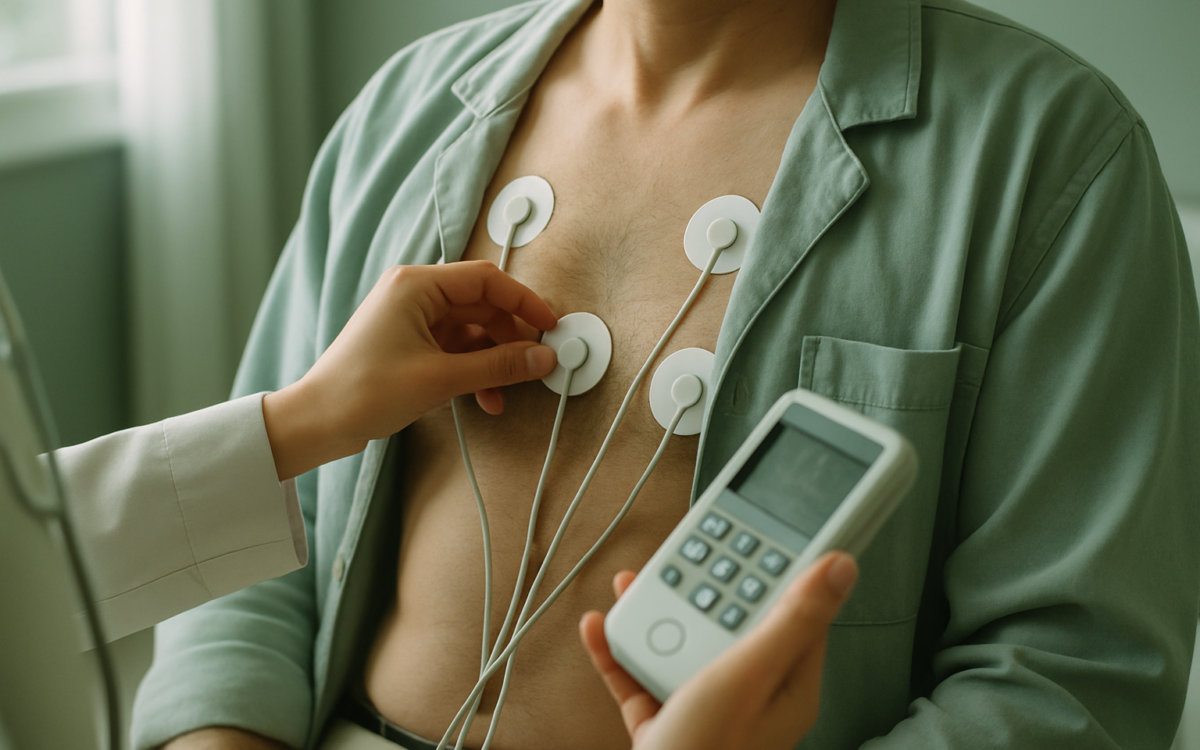
Heart disease remains one of the leading causes of death worldwide. Many lives could be saved with early detection and management. Heart screening is a key tool in identifying risks before they turn into serious health issues. Understanding what heart screening involves can help you take proactive steps in your health journey.
What is Heart Screening?
Heart screening refers to a series of tests aimed at evaluating your risk of heart disease. These tests can help detect problems early, allowing for timely interventions that can save lives. Heart screening can include assessments like blood tests, electrocardiograms (ECGs), echocardiograms, and stress tests. These tests help determine your heart health and identify risk factors such as high blood pressure, high cholesterol, and other cardiovascular conditions.
Why is Heart Screening Important?
Heart screening is crucial for several reasons:
- Early Detection: Many heart conditions, such as coronary artery disease, develop gradually. Early detection through screening can prevent complications.
- Personalized Treatment: Screening results allow healthcare professionals to tailor a treatment plan to your specific needs.
- Risk Reduction: Identifying risk factors like high cholesterol or hypertension enables lifestyle changes and medical interventions that can significantly lower your risk of heart disease.
- Peace of Mind: Knowing your heart health status can relieve anxiety and empower you to make informed decisions about your wellness.
Types of Heart Screening Tests
There are several types of heart screening tests that your healthcare provider may recommend based on your age, family history, and risk factors.
1. Blood Tests
Blood tests check for cholesterol levels and other markers, such as triglycerides and blood sugar, that can affect your heart health.
2. Electrocardiogram (ECG)
An ECG records the electrical activity of your heart. It can reveal if your heart rhythm is normal or if there are any irregularities.
3. Echocardiogram
This test uses sound waves to create images of your heart. It helps evaluate the size, shape, and function of the heart and its valves.
4. Stress Test
A stress test measures how your heart responds during physical activity. It can help reveal issues that might not be noticeable when your body is at rest.
5. Advanced Imaging Techniques
Some centers might offer advanced imaging options like CT scans or MRIs for more detailed evaluations. These might be particularly useful for individuals with higher risk factors.
Who Should Get Screened?
Heart screening is not a one-size-fits-all approach. Generally, the following groups might especially benefit from regular screenings:
- Individuals aged 40 and over, especially with risk factors like high blood pressure or diabetes.
- People with a family history of heart disease.
- Those who smoke or have a sedentary lifestyle.
- Individuals with high cholesterol or those who are overweight.
If you are unsure whether you should get screened, consider discussing your heart health and risk factors with your healthcare provider.
For individuals seeking international treatment options, facilities like Acibadem International offer advanced screening services that can provide additional resources, expert consultations, and innovative technologies.
How Often Should You Get Screened?
The frequency of heart screening can depend on your risk factors and age. Generally:
- Adults aged 20-39 with no risk factors may not need screening unless advised by a doctor.
- Those aged 40 or older should have assessments every four to six years.
- Individuals with risk factors should have more frequent evaluations—possibly yearly or as recommended by their healthcare provider.
It’s essential to establish a routine screening plan based on your unique health profile and lifestyle.
When to See a Doctor
Recognizing warning signs can be critical. You should consult a healthcare professional if you experience:
- Chest pain or discomfort
- Shortness of breath
- Dizziness or lightheadedness
- Unexplained fatigue
- Palpitations or irregular heartbeats
Being proactive about your heart health is vital. If you have concerns or experience any of these symptoms, don’t hesitate to reach out for medical advice.
Conclusion
Heart screening is a proactive measure that can help you maintain cardiovascular health and reduce the risk of serious conditions. By understanding the importance of these tests, their types, and who should be screened, you can take significant steps towards ensuring your heart stays healthy. Remember, it’s essential to discuss your risks and testing options with your healthcare professional to develop a tailored approach for your heart health.
