
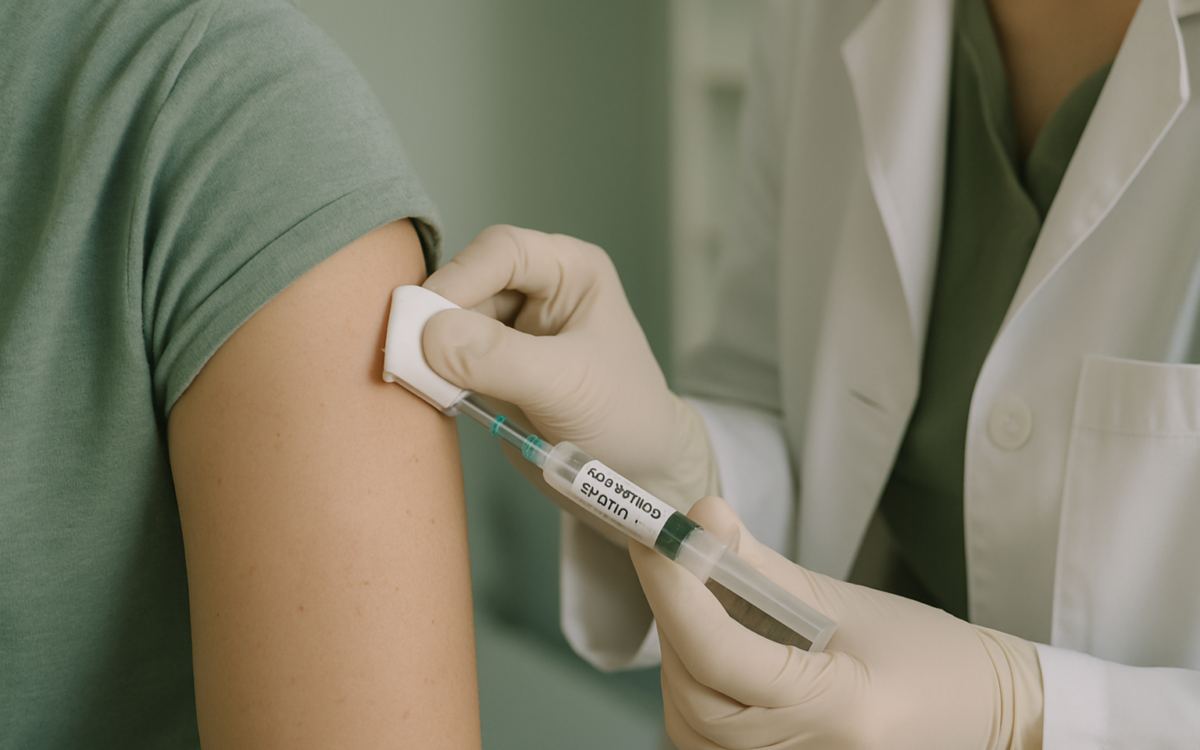
Deciding whether to get the hepatitis B vaccine can be daunting. With so many vaccinations available, it’s essential to understand the importance of protecting yourself from hepatitis B, a potentially serious liver infection. This article will help you navigate the facts surrounding the hepatitis B vaccine, outlining its benefits, who should consider getting vaccinated, and what you need to know.
What is Hepatitis B?
Hepatitis B is a viral infection that attacks the liver, leading to acute and chronic diseases. It spreads through contact with infected bodily fluids, including blood and semen. In some cases, it can lead to severe liver complications, including cirrhosis and liver cancer. According to the Centers for Disease Control and Prevention (CDC), about 1 in 20 Americans are infected with hepatitis B, making awareness and prevention crucial.
Who Should Get the Hepatitis B Vaccine?
While anyone can contract hepatitis B, certain groups are at a higher risk and are strongly recommended to receive the vaccine. These include:
- Infants: The CDC recommends that infants receive the hepatitis B vaccine within the first 24 hours of birth.
- Healthcare Workers: Those who work in medical settings may be at increased risk due to potential exposure to infected blood.
- People with Multiple Sexual Partners: Unprotected sex with multiple partners can increase the risk of transmission.
- Individuals with Chronic Liver Disease: Patients with pre-existing liver issues are more vulnerable to the effects of hepatitis B.
- Travelers: If you’re traveling to regions where hepatitis B is prevalent, vaccination is advised.
Vaccination Schedule and Effectiveness
The hepatitis B vaccine typically comes in a series of three or four doses, administered over a period of six months. Mayo Clinic notes that the vaccine is highly effective, with about 90% of individuals who complete the series achieving immunity. This long-lasting immunity protects against the virus, reducing the risk of developing severe liver issues in the future.
Potential Side Effects
Like all vaccines, the hepatitis B vaccine can cause some mild side effects. Common responses include:
- Soreness at the injection site
- Fatigue
- Fever
Most side effects are temporary and resolve without intervention. Serious side effects are rare. It’s important to discuss any concerns with your healthcare provider, who can provide insight into these risks.
The Importance of Vaccination
Vaccination against hepatitis B is not just about personal protection; it’s also about community health. Widespread immunization helps to reduce the overall incidence of the virus, contributing to herd immunity. According to the World Health Organization (WHO), vaccination can significantly decrease the likelihood of liver-related diseases and improve public health outcomes.
Is There Anyone Who Should Not Get the Vaccine?
While the vaccine is safe for most individuals, there are a few exceptions. Anyone with a severe allergic reaction, notably to a component of the vaccine, should consult a healthcare provider. Pregnant or breastfeeding women should also discuss the benefits versus risks with their doctor before receiving the vaccine, although it is generally considered safe during pregnancy.
When to See a Doctor
If you’re questioning whether you should get the hepatitis B vaccine, it’s essential to consult your healthcare provider. They can assess your health history, lifestyle, and specific risk factors. If you notice any side effects after vaccination, especially symptoms like difficulty breathing or swelling of the face and throat, seek medical attention immediately.
Ultimately, the decision to vaccinate is a personal one and should be made based on your unique health needs and lifestyle factors. Stay informed and proactive about your health; vaccination could be a crucial step in protecting your liver and overall well-being.
