
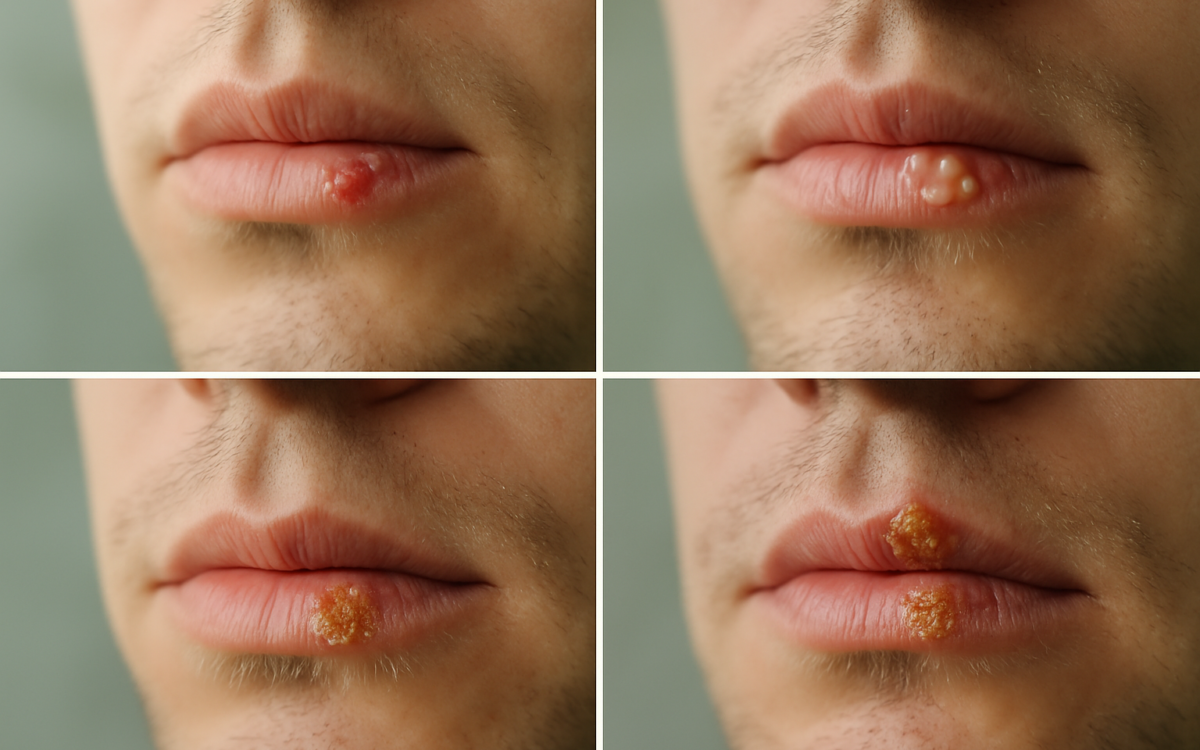
Herpes is a common viral infection that can affect millions of people worldwide. Many are surprised to learn just how prevalent it is, as the condition can often be mistaken for other skin issues. Understanding the differing stages of herpes, along with identifying symptoms, can significantly impact treatment choices and personal management of the condition. This article aims to provide clear visuals and descriptions of herpes at various stages while offering useful information about the infection as a whole.
What is herpes?
Herpes viruses are a group of viruses that cause infections in humans. The most common types are:
- Herpes Simplex Virus Type 1 (HSV-1): Typically causes oral herpes, leading to cold sores around the mouth.
- Herpes Simplex Virus Type 2 (HSV-2): Usually causes genital herpes, resulting in sores in the genital area.
Herpes infections can be recurrent, meaning that outbreaks may occur followed by periods without symptoms. Both types of herpes can be transmitted through direct contact, especially during an outbreak when sores are visible. However, asymptomatic shedding can also spread the virus, meaning a person may transmit the virus even when they show no signs or symptoms.
Initial outbreak: The first signs
During the first outbreak of herpes, symptoms can vary widely. Some individuals may not experience any noticeable symptoms, while others may develop signs that can be frustrating and painful. Here’s what to look out for:
- Flu-like symptoms: Fever, swollen lymph nodes, and body aches may occur in conjunction with skin symptoms.
- Itching or tingling: Many people notice an unusual sensation in the area where blisters will form, often called a prodrome phase.
- Fluid-filled blisters: The hallmark of a herpes infection is the appearance of small, painful blisters. These can burst and create open sores.
Images of herpes at this stage reveal clusters of these blisters, which often form in the affected areas. The CDC provides further insights into these symptoms as well.
Healing phase: What happens next?
After the initial outbreak, the sores begin to heal, which can take several days to weeks depending on the person’s immune system and adherence to treatment. Here are some features of the healing phase:
- Crust formation: Blisters will dry and form scabs. It’s vital not to pick at these, as this can lead to secondary infections.
- Scar healing: After the crusts fall off, the skin may initially appear red or darker but generally heals without scarring.
Images during this stage show how the sores may look inflamed initially and gradually diminish in size and intensity. While the visible signs heal, the virus remains latent in the body, often hiding in the nerve cells.
Subsequent outbreaks: Recurrence of symptoms
Many individuals experience recurrent outbreaks of herpes after the initial episode. These secondary outbreaks, while often less severe, can still cause discomfort. The symptoms usually appear more quickly and may include:
- Fewer blisters: Secondary outbreaks may consist of fewer lesions than the initial outbreak.
- Shorter duration: Recurrences often heal more quickly than the first outbreak.
- Similar symptoms: Tingling or itching may precede the appearance of blisters.
Photographs of subsequent outbreaks typically display a less intense reaction than the first but can still appear alarming if one is unprepared. If you’re considering treatment options to manage recurring infections, you can find valuable international treatment perspectives at acibademinternational.com.
Long-term management and prevention
Managing herpes involves a combination of treatment and preventive strategies. Here are some key points:
- Medication: Antiviral medications like acyclovir can help reduce the severity and frequency of outbreaks.
- Safe practices: Avoid sexual contact during an outbreak and consider discussing preventive strategies with partners.
- Healthy lifestyle: Maintaining a strong immune system through a balanced diet, regular exercise, and stress management can reduce the frequency of outbreaks.
When to see a doctor
Many people manage their herpes symptoms and outbreaks independently. However, it’s crucial to seek medical advice in certain situations. Consult a healthcare provider if you:
- Have a severe initial outbreak that is painful or unusual.
- Experience frequent recurrences that interfere with your daily life.
- Have concerns about sexual health or overcoming stigma related to herpes.
Additionally, pregnant women should seek advice from their healthcare provider to ensure the safety of the baby.
Conclusion
Understanding herpes, its symptoms, and the stages is vital for anyone impacted by this virus. While herpes can be distressing, particularly during outbreaks, knowledge and effective management allow individuals to lead happy and healthy lives despite this common condition. Always remember to consult with healthcare professionals regarding any changes in symptoms or treatment options.
