
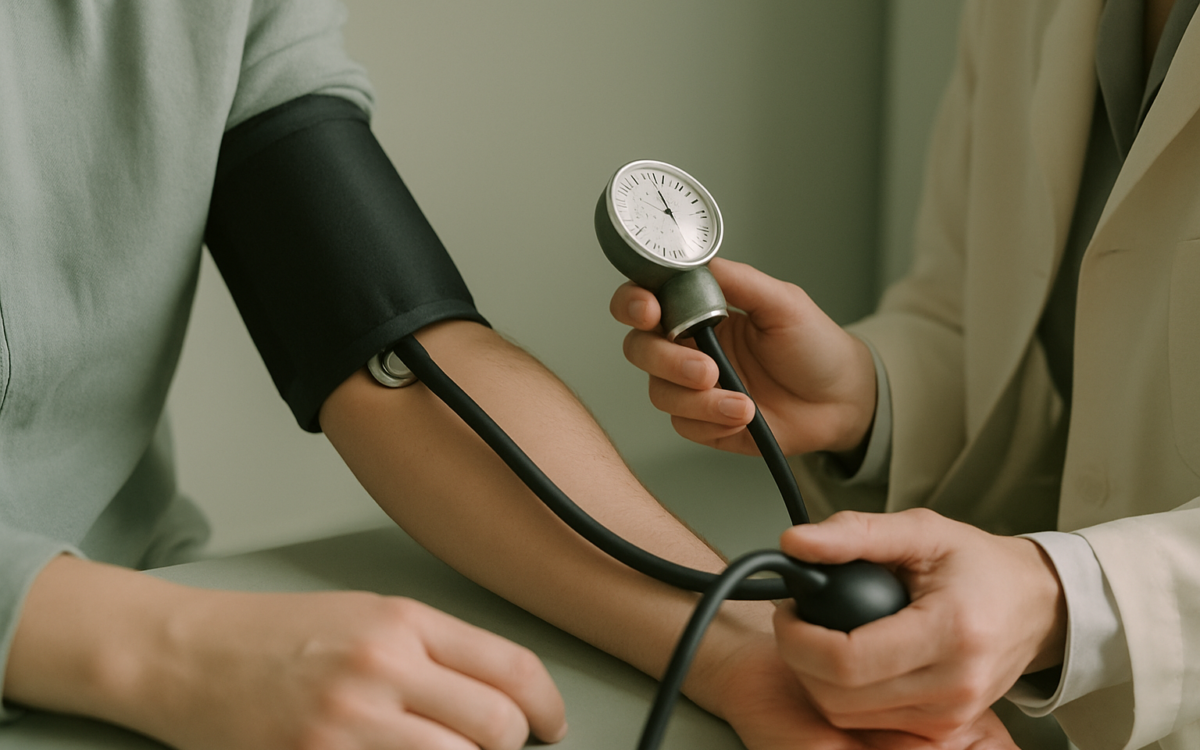
High blood pressure, or hypertension, is often called a silent killer. Many people do not experience noticeable symptoms, and yet it can lead to severe health issues, including heart disease, stroke, and kidney damage. Understanding this condition, its causes, symptoms, and effective management strategies is key to maintaining a healthy lifestyle.
What is high blood pressure?
Blood pressure measures the force of blood against the walls of your arteries as your heart pumps it around your body. It’s expressed as two numbers, such as 120/80 mmHg. The first number, systolic pressure, indicates the pressure when your heart beats. The second number, diastolic pressure, represents the pressure when your heart rests between beats.
High blood pressure occurs when your blood pressure readings consistently exceed the normal range. According to the American Heart Association, normal blood pressure is typically below 120/80 mmHg. Stage 1 hypertension is defined as readings ranging from 130-139 systolic or 80-89 diastolic.
What causes high blood pressure?
There are several factors that may contribute to high blood pressure, and they can vary from person to person. Some common causes include:
- Genetics: A family history of hypertension may increase your risk.
- Age: Blood pressure tends to rise with age.
- Obesity: Excess weight can lead to increased blood pressure.
- Lack of physical activity: A sedentary lifestyle can contribute to weight gain and increasing blood pressure.
- High sodium intake: Too much salt in your diet can cause your body to retain fluid, raising blood pressure.
- Excessive alcohol consumption: Heavy drinking can raise blood pressure.
- Chronic stress: High levels of stress can contribute to temporary spikes in blood pressure.
Additionally, some medical conditions, such as diabetes and kidney disease, can also elevate blood pressure. For more detailed information, consult resources like the CDC.
Signs and symptoms of high blood pressure
High blood pressure is often referred to as a silent condition because many people do not experience noticeable symptoms. However, some individuals may experience:
- Headaches
- Dizziness
- Nosebleeds
- Shortness of breath
- Chest pain
These symptoms typically do not occur until blood pressure reaches dangerously high levels. Regular monitoring of your blood pressure is essential for early detection.
Monitoring your blood pressure
Regular blood pressure checks are vital for everyone, especially if you have risk factors for hypertension. You can measure blood pressure in several ways:
- Doctor’s office: Your healthcare provider can measure your blood pressure during routine checkups.
- Home monitors: Home blood pressure monitors are available for purchase and can help you keep track of your readings.
- Pharmacy kiosks: Many pharmacies have machines that allow you to check your blood pressure.
For accurate readings, follow instructions carefully and take measurements at the same time each day. For more information on self-monitoring, visit the Mayo Clinic.
Managing high blood pressure
If you have high blood pressure, lifestyle changes can significantly lower your risk of complications. Consider these strategies:
- Healthy diet: Eat a balanced diet rich in fruits, vegetables, whole grains, and lean proteins. The DASH diet (Dietary Approaches to Stop Hypertension) is often recommended.
- Reduce sodium intake: Limiting salt consumption can help lower blood pressure.
- Exercise regularly: Aim for at least 150 minutes of moderate-intensity exercise each week.
- Maintain a healthy weight: Losing even a small amount of weight can significantly impact blood pressure.
- Avoid tobacco products: Smoking can raise blood pressure and harm overall heart health.
- Limit alcohol intake: If you drink alcohol, do so in moderation.
In some cases, medication may be necessary to manage high blood pressure. Your healthcare provider will work with you to determine the best treatment plan.
When to see a doctor
If you suspect you have high blood pressure or have experienced symptoms such as severe headaches or chest pain, it is essential to consult a healthcare professional. Regular checkups are critical, especially if you have risk factors for hypertension.
Conclusion
High blood pressure is a common condition that can have serious health consequences if left untreated. By understanding its causes, monitoring your blood pressure, and adopting healthy lifestyle changes, you can reduce your risk and improve your overall health. Always consult with your healthcare provider for a personalized approach to managing high blood pressure.
