
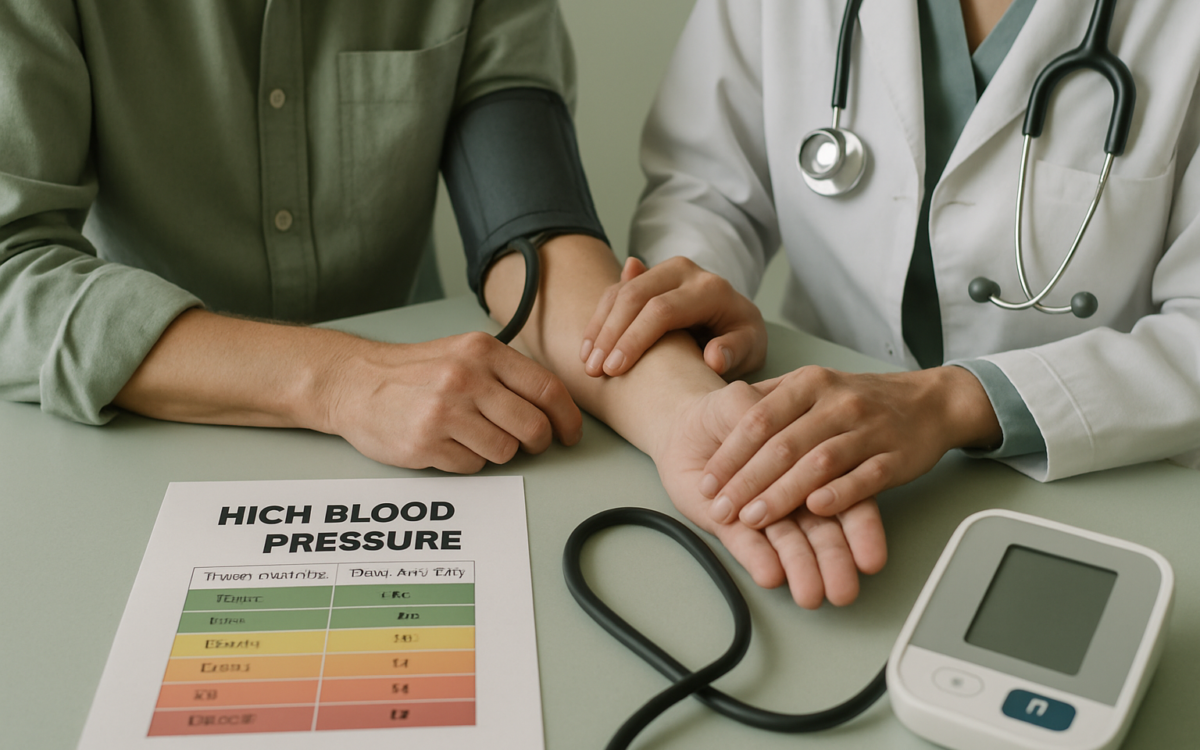
High blood pressure, also known as hypertension, is often called the ‘silent killer’ because it can quietly damage your body over time without noticeable symptoms. Understanding the reasons behind high blood pressure is crucial for both prevention and management. Let’s explore the various factors that contribute to this common condition.
What is High Blood Pressure?
Blood pressure measures the force of blood against the walls of your arteries. It is recorded as two numbers: systolic (the pressure when your heart beats) over diastolic (the pressure when your heart is at rest). Normal blood pressure is typically around 120/80 mmHg. When the reading is consistently 130/80 mmHg or higher, it is classified as high blood pressure.
Genetics and Family History
Genetics play a significant role in determining your risk for high blood pressure. If you have a family history of hypertension, your chances of developing it are higher. Researchers suggest that several genes may be involved in regulating blood pressure levels, making some people more susceptible than others (NIH).
Lifestyle Factors
Your everyday choices can significantly affect your blood pressure. Here are some key lifestyle factors to consider:
- Diet: A diet high in salt, saturated fat, and cholesterol can contribute to high blood pressure. Eating plenty of fruits, vegetables, whole grains, and lean proteins can help.
- Physical Activity: Regular exercise strengthens the heart and helps maintain a healthy weight. Aim for at least 150 minutes of moderate aerobic activity weekly.
- Weight: Being overweight or obese increases the risk of developing hypertension. Even a modest weight loss can help reduce blood pressure.
- Alcohol and Tobacco Use: Excessive alcohol consumption and smoking can raise blood pressure. Limiting these can lead to improvements in overall health.
Stress and Mental Health
Chronic stress can contribute to high blood pressure. Whether from work, family responsibilities, or financial issues, ongoing stress can cause blood vessels to constrict, leading to increased blood pressure. Learning to manage stress through techniques such as mindfulness, meditation, or deep breathing exercises can be beneficial.
Medical Conditions
Several medical conditions can also lead to high blood pressure:
- Kidney Disease: The kidneys play a critical role in regulating blood pressure. Conditions such as chronic kidney disease can disrupt this balance.
- Diabetes: High blood sugar levels can damage blood vessels and lead to increased blood pressure.
- Sleep Apnea: This disorder, characterized by interrupted breathing during sleep, can cause both higher blood pressure and other health issues.
Age and Gender
As we age, blood vessels become less flexible, which can contribute to increased blood pressure. Men generally have a higher risk of developing high blood pressure earlier in life compared to women. However, after menopause, women’s risk significantly increases.
Understanding Your Numbers
It’s essential to monitor your blood pressure regularly. Doing so enables you to understand your numbers and make informed decisions about your health. Your doctor can help you determine the best plan for managing your blood pressure based on your unique circumstances.
When to See a Doctor
If you consistently show signs of high blood pressure, such as persistent headaches, fatigue, or vision changes, consult a healthcare professional. Regular check-ups are essential, as they can help catch high blood pressure early and prevent complications.
Conclusion
High blood pressure is a multifaceted issue influenced by genetics, lifestyle choices, medical conditions, and more. By understanding the various factors at play, you can take steps towards better heart health. The key is to adopt a healthy lifestyle and stay informed about your blood pressure. Regular consultations with your doctor can help keep your blood pressure in check and reduce the risk of health complications. For more information on hypertension, visit reputable sources like the CDC or the WHO.
