
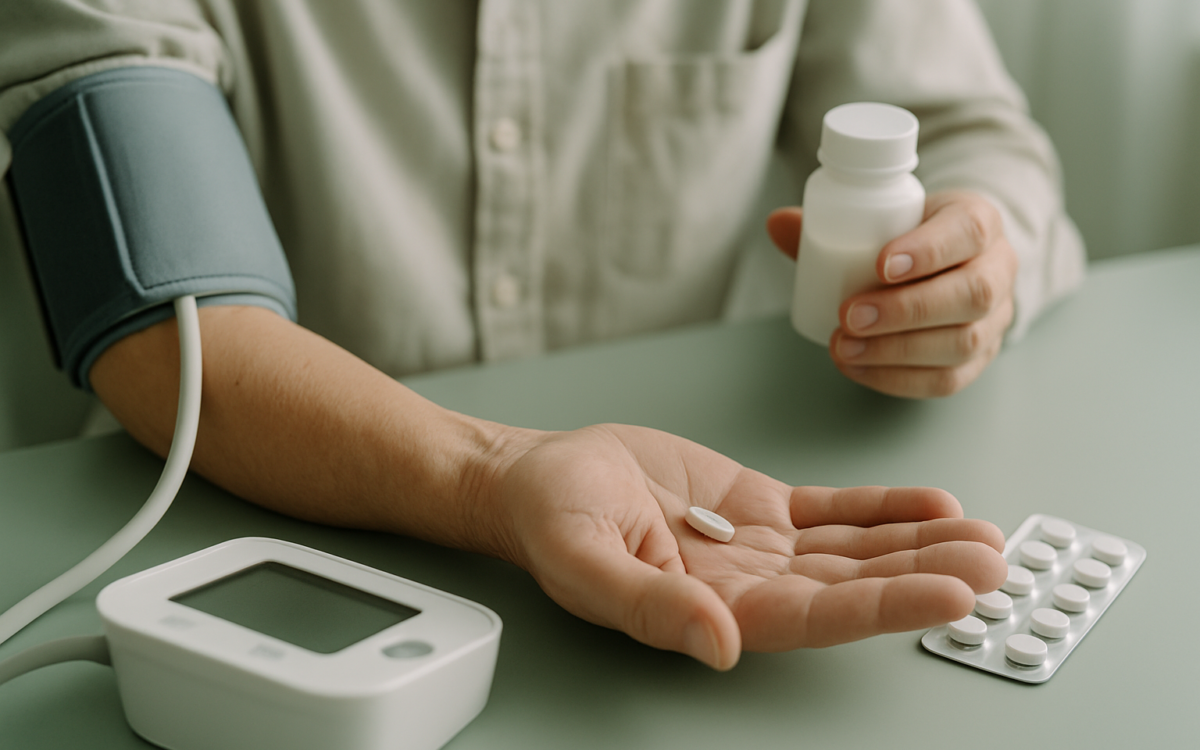
Millions of Americans are affected by high blood pressure, also known as hypertension. This condition often goes unnoticed until it leads to more serious health issues, such as heart disease or stroke. Medications play an important role in managing high blood pressure, but understanding the different types, how they work, and their potential side effects is essential for anyone at risk. In this article, we’ll break down everything you need to know about high blood pressure medication.
What is high blood pressure?
High blood pressure occurs when the force of blood against your artery walls is consistently too high. Blood pressure is measured in millimeters of mercury (mm Hg) and is recorded with two numbers: systolic (the pressure when your heart beats) and diastolic (the pressure when your heart rests between beats). A normal reading is typically considered to be below 120/80 mm Hg. Anything above that can be categorized as elevated blood pressure or hypertension, which can increase your risk of serious health problems.
Why medication is necessary
For many people, lifestyle changes such as diet, exercise, and stress management are not enough to lower high blood pressure. Medications can help in the following ways:
- Lowering blood pressure: Medications can help reduce blood pressure to a safer level, decreasing the risk of complications.
- Preventing damage: By controlling blood pressure, medications can protect vital organs such as the heart, kidneys, and brain.
- Easy management: For those with severe hypertension, medication provides a straightforward way to manage their condition effectively.
Types of high blood pressure medications
There are several classes of medications used to treat high blood pressure. Here’s a brief overview of the most common types:
1. Diuretics
Often referred to as “water pills,” diuretics help your body eliminate excess sodium and water, which lowers blood pressure. Common examples include hydrochlorothiazide and furosemide.
2. ACE inhibitors
Angiotensin-converting enzyme (ACE) inhibitors relax blood vessels by blocking the formation of a hormone that constricts them. They can be particularly helpful for people with heart disease. Common ACE inhibitors include lisinopril and enalapril.
3. Angiotensin II receptor blockers (ARBs)
ARBs work similarly to ACE inhibitors but block the effects of angiotensin II instead. They are often prescribed if a patient experiences side effects from ACE inhibitors. Examples include losartan and candesartan.
4. Beta-blockers
Beta-blockers reduce heart rate and the workload on the heart. They can be useful for people who have high blood pressure along with other conditions like anxiety or heart issues. Common beta-blockers include metoprolol and atenolol.
5. Calcium channel blockers
These medications prevent calcium from entering the cells of the heart and blood vessel walls, leading to relaxation and lower blood pressure. Examples include amlodipine and diltiazem.
6. Renin inhibitors
Renin inhibitors directly hinder renin, an enzyme involved in blood pressure regulation. Aliskiren is a well-known example.
Potential side effects of hypertension drugs
While high blood pressure medications can be highly effective, they may also cause side effects in some individuals. Common side effects include:
- Dizziness or lightheadedness
- Fatigue
- Headaches
- Gastrointestinal issues, such as nausea or diarrhea
- Swelling in the feet or ankles
Every person responds differently to medication, and it may take some time to find the right one or combination for your needs. Always consult your doctor if you experience side effects or if your medication is not effectively controlling your blood pressure.
How to take high blood pressure medication
Taking blood pressure medication as prescribed is crucial for managing your condition. Here are some tips for ensuring you’re taking your medication effectively:
- Follow your doctor’s instructions: Always take your medication exactly as prescribed, including the correct dosage and timing.
- Be consistent: Try to take your medication at the same time every day. Using a pill organizer or setting reminders can help.
- Communicate: Keep your healthcare provider informed about any side effects or concerns you may have regarding your medication.
When to see a doctor
Monitoring your blood pressure and working closely with your doctor is essential. If you experience any of the following, consult your healthcare provider:
- New or worsening side effects
- Blood pressure readings that remain high despite medication
- Symptoms like severe headaches, vision changes, or chest pain
Conclusion
Managing high blood pressure is essential for maintaining overall health. While lifestyle changes are important, medication often plays a critical role in controlling this silent condition. Understanding the types of medications available, their benefits, and potential side effects empowers you to work with your healthcare provider for the best outcomes. Remember, open communication with your doctor ensures you can effectively manage your blood pressure and lead a healthier life. For more detailed information on this topic, you can visit resources from organizations like the CDC or Mayo Clinic.
