
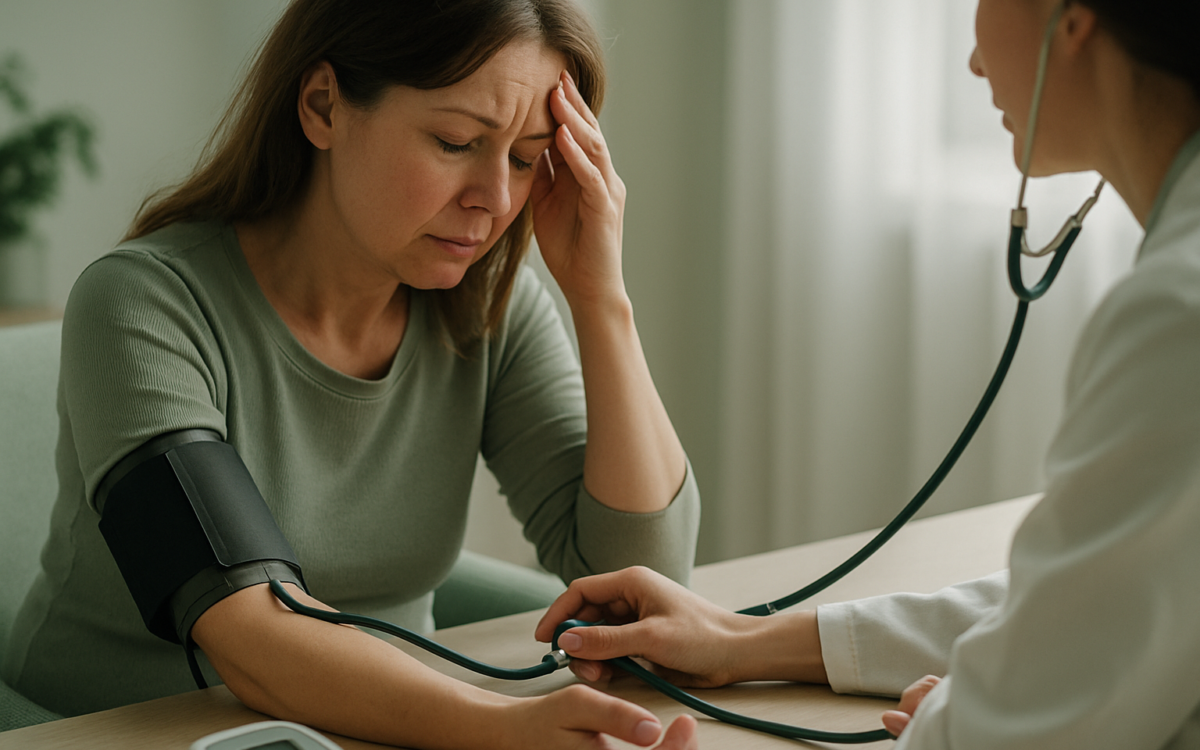
High blood pressure, often called hypertension, is a common health issue that can affect anyone, but women may experience its symptoms differently from men. Many people associate high blood pressure with severe health problems, but it often has no obvious symptoms. Understanding how it can manifest in women is crucial for maintaining heart health and ensuring early intervention when necessary.
What is High Blood Pressure?
High blood pressure occurs when the force of blood against the walls of your arteries is consistently too high. This can lead to various health complications, including heart disease, kidney disease, and stroke. Typically, a reading of 130/80 mmHg or higher is considered high. It’s important to monitor your blood pressure regularly, as many may not even realize they have this condition.
Common Symptoms of High Blood Pressure in Women
Unfortunately, high blood pressure often does not produce noticeable symptoms, which is why it’s sometimes called the “silent killer.” However, some women may experience symptoms, especially as their condition worsens. Here are a few symptoms that can indicate high blood pressure:
- Headaches: Frequent or severe headaches can be a symptom of high blood pressure.
- Dizziness or lightheadedness: These feelings may arise when blood pressure spikes.
- Nausea: Some women report feeling nauseated when their blood pressure is high.
- Fatigue: Unexplained fatigue can sometimes be linked to cardiovascular issues.
- Vision changes: Blurred or impaired vision might occur in severe cases.
It’s important to note that experiencing one or more of these symptoms does not automatically mean you have high blood pressure. These symptoms can also be linked to many other health conditions, so it’s vital to conduct a proper medical evaluation.
Risk Factors for Women
Several factors can increase the risk of developing high blood pressure in women:
- Age: Hypertension is more common in women over the age of 65.
- Pregnancy: Conditions like gestational hypertension can occur during pregnancy, impacting long-term health.
- Hormonal changes: Menopause can contribute to increasing blood pressure due to hormonal shifts.
- Weight: Obesity is a significant risk factor for high blood pressure.
- Lifestyle choices: Sedentary behavior, poor diet, and high stress can elevate blood pressure.
Women who have a family history of hypertension or heart disease should pay particular attention to their blood pressure readings.
International Treatment Perspectives
When managing high blood pressure, treatment options may vary across different countries. For example, in some regions, women may benefit from interventions that focus on lifestyle changes and medication tailored to their specific symptoms and health profiles. There are even options for medical tourism where patients seek treatment in Turkey, which can offer advanced healthcare solutions at potentially lower costs.
Self-Monitoring and Lifestyle Changes
Maintaining a healthy lifestyle can significantly impact blood pressure management. Here are some practical steps that women can take:
- Eat a balanced diet: Focus on foods rich in fruits, vegetables, whole grains, and low-fat dairy.
- Exercise regularly: Aim for at least 150 minutes of aerobic activity each week.
- Limit alcohol intake: Reducing alcohol consumption can help lower blood pressure.
- Manage stress: Techniques such as yoga, meditation, and deep breathing can be beneficial.
- Avoid tobacco: Smoking can increase blood pressure and harm overall health.
Monitoring one’s own blood pressure at home can help women keep track of their health and facilitate discussions with healthcare providers.
When to See a Doctor
If you experience frequent symptoms related to high blood pressure or have risk factors that concern you, it’s important to discuss these with your doctor. Regular check-ups can help catch hypertension early and prevent complications. Additionally, if you experience severe headaches, visible changes in vision, or pronounced dizziness, seek immediate medical attention.
Concluding Thoughts
High blood pressure is a significant health concern for women, particularly given its ability to remain asymptomatic. Understanding the potential symptoms and risk factors is essential for early detection and management. Women should engage in proactive health monitoring and seek medical advice when needed to maintain their cardiovascular health and overall well-being.
