
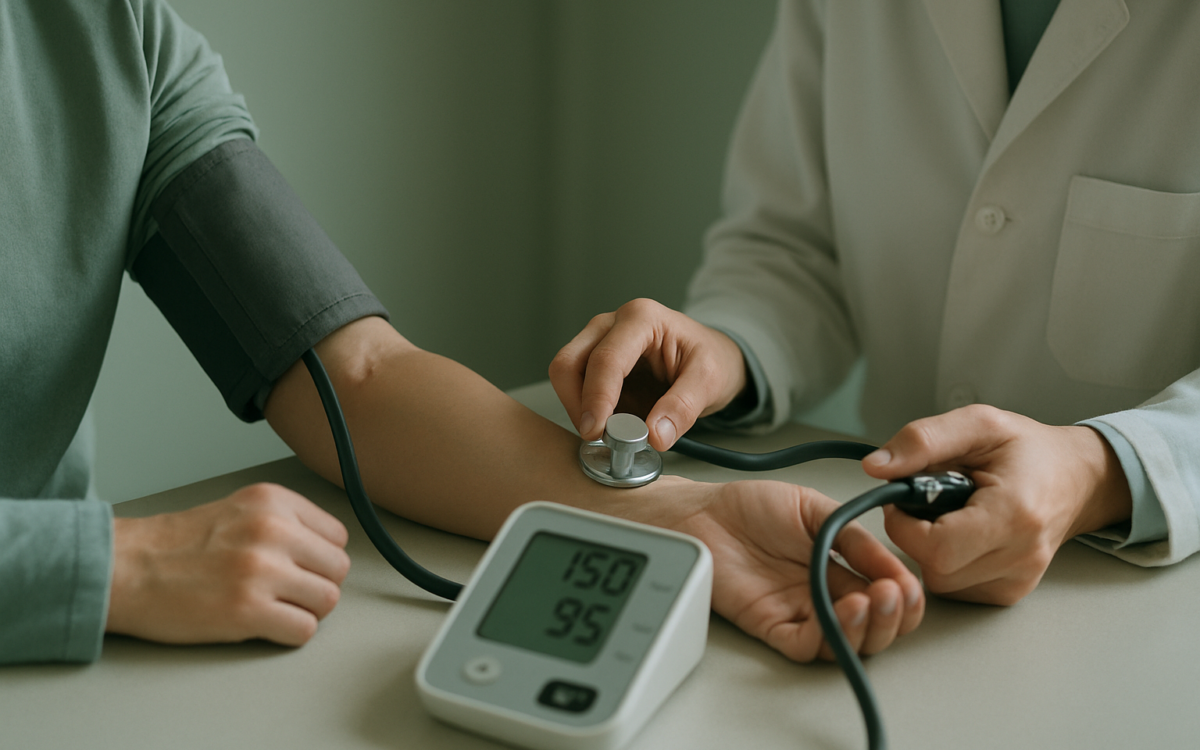
High blood pressure, also known as hypertension, is a condition that affects millions of people worldwide. Often referred to as a ‘silent killer,’ high blood pressure usually has no immediate symptoms, making it crucial to understand how it works and what you can do about it.
What Is High Blood Pressure?
Blood pressure measures the force of blood against the walls of your arteries. It is recorded with two numbers: systolic (the pressure when your heart beats) over diastolic (the pressure when your heart rests between beats). A normal blood pressure reading is typically around 120/80 mmHg. Hypertension is generally defined as a reading of 130/80 mmHg or higher.
Causes and Risk Factors
Several factors can contribute to high blood pressure. Understanding these can help you manage and potentially prevent this condition:
- Genetics: Family history can influence your risk of developing hypertension.
- Diet: Consuming high amounts of salt, processed foods, and unhealthy fats can elevate blood pressure levels.
- Physical Inactivity: A sedentary lifestyle can lead to weight gain, which increases the risk of hypertension.
- Stress: Chronic stress may contribute to temporary spikes in blood pressure.
- Age: The risk of developing high blood pressure increases as you age.
Symptoms of High Blood Pressure
High blood pressure often has no symptoms, which is why regular monitoring is essential. Some individuals may experience symptoms like headaches, dizziness, blurred vision, or nosebleeds, but these can occur only in severe cases. It’s important to remember that many people with high blood pressure feel perfectly fine, making regular check-ups vital.
Complications of Untreated High Blood Pressure
If left unmanaged, high blood pressure can lead to serious health issues, including:
- Heart Disease: High blood pressure can cause hardening of the arteries, leading to heart attacks.
- Stroke: Hypertension increases the risk of blood clots in the arteries leading to the brain.
- Kidney Damage: It can interfere with your kidneys’ ability to filter waste from the blood.
- Vision Loss: Hypertension can damage the blood vessels in the eyes, leading to vision problems.
For more insights into the effects of hypertension, visit the CDC’s website on high blood pressure.
Managing High Blood Pressure
While medication may be necessary for some individuals, lifestyle changes can play a significant role in managing high blood pressure:
- Healthy Diet: Adopt a balanced diet rich in fruits, vegetables, whole grains, and low-fat dairy. The DASH (Dietary Approaches to Stop Hypertension) diet is specifically designed to help reduce blood pressure.
- Regular Exercise: Aim for at least 150 minutes of moderate exercise each week. Activities like walking, cycling, and swimming are great options.
- Avoid Tobacco and Limit Alcohol: Both tobacco use and excessive drinking can elevate blood pressure.
- Stress Management: Engage in stress-reducing activities such as yoga, meditation, or deep-breathing exercises.
- Monitor Blood Pressure: Regularly check your blood pressure at home and keep a record to share with your doctor.
Consulting resources like the Mayo Clinic can provide further information on dietary and lifestyle approaches.
When to See a Doctor
If you experience any symptoms associated with high blood pressure or have risk factors like a family history of hypertension, it’s important to consult your doctor. Routine check-ups and discussions around your blood pressure levels can help catch hypertension early, allowing for effective management strategies to be put in place.
Conclusion
High blood pressure is a manageable condition, especially when caught early. A proactive approach to your health—through diet, exercise, and regular check-ups—can make a significant difference. Remember, while lifestyle changes are key, ongoing communication with your healthcare provider is essential for monitoring and maintaining your blood pressure health.
