
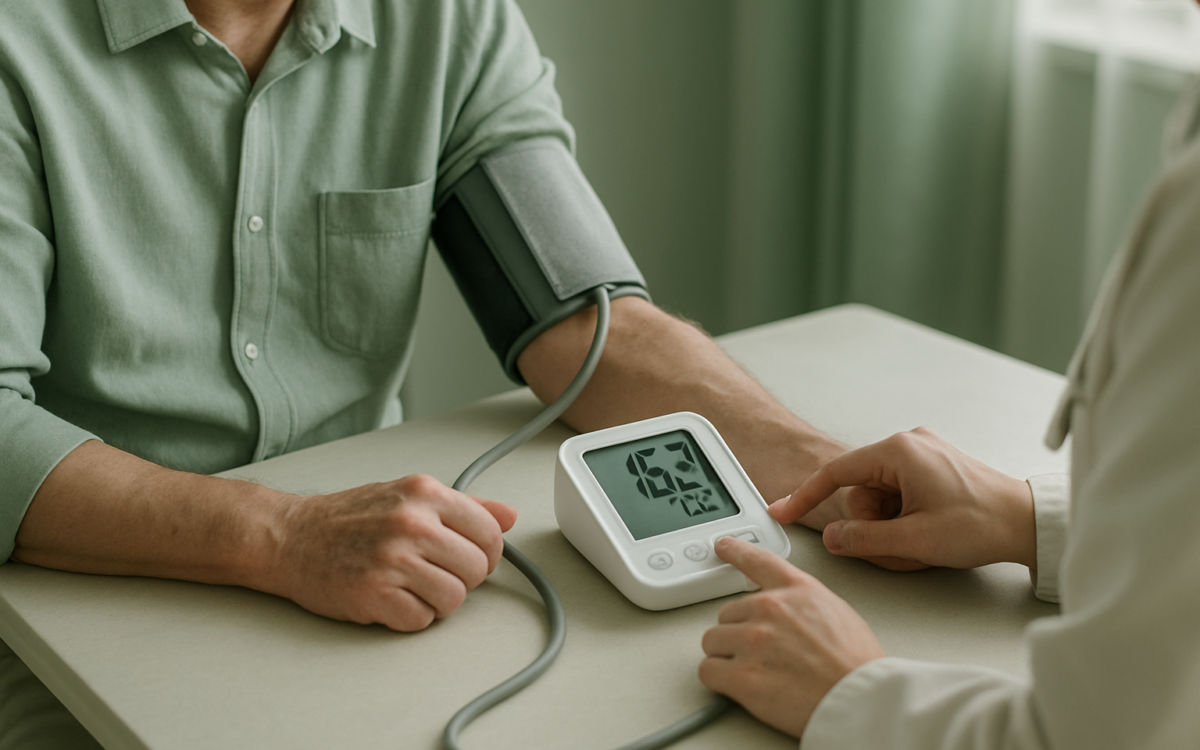
When you hear someone mention blood pressure, they’re often talking about two numbers: systolic and diastolic. However, high systolic blood pressure is a growing concern, especially as it can significantly impact your health. Understanding it, its causes, and how to manage it is essential for everyone, regardless of age.
What is Systolic Blood Pressure?
Systolic blood pressure is the first number in a blood pressure reading. It measures the pressure in your arteries when your heart beats and pumps blood. The second number, diastolic pressure, measures the pressure when your heart is resting between beats. Normal systolic blood pressure should be less than 120 mm Hg. High systolic blood pressure is usually defined as a reading of 130 mm Hg or higher.
The Risks of High Systolic Blood Pressure
High systolic blood pressure, also known as isolated systolic hypertension (ISH), can pose several health risks. It can contribute to:
- Heart disease: High pressure can lead to hardening of the arteries, increasing the risk of heart attacks.
- Stroke: Elevated blood pressure can increase your chance of having a stroke due to damaged blood vessels in the brain.
- Kidney damage: The kidneys may struggle to filter blood effectively, leading to serious complications.
- Vision loss: High blood pressure can damage the blood vessels in your eyes, potentially leading to vision issues.
According to the CDC, understanding and managing high blood pressure is vital to preventing these risks.
Causes of High Systolic Blood Pressure
Several factors can contribute to high systolic blood pressure:
- Age: As we grow older, our blood vessels can become stiffer, leading to higher blood pressure.
- Obesity: Excess weight increases the amount of work your heart has to do to pump blood throughout your body.
- Diet: High salt intake, excessive alcohol consumption, and low potassium can all contribute to high blood pressure.
- Lack of physical activity: A sedentary lifestyle can increase your risk of developing high blood pressure.
- Genetics: If high blood pressure runs in your family, you may be more likely to develop it.
Understanding what contributes to high systolic blood pressure can help you make informed lifestyle choices.
Managing High Systolic Blood Pressure
If you have high systolic blood pressure, you may wonder how to manage it effectively. Here are some strategies:
1. Lifestyle Changes
Making lifestyle adjustments can significantly impact blood pressure. Consider:
- Eating a balanced diet rich in fruits, vegetables, whole grains, and lean proteins.
- Reducing salt intake by cooking with herbs and spices instead of salt.
- Maintaining a healthy weight through diet and exercise.
- Engaging in at least 150 minutes of moderate exercise, such as walking or biking, each week.
2. Monitoring Blood Pressure
Regularly checking your blood pressure is key to staying informed about your health. You can do this at home using a blood pressure monitor or at your doctor’s office. Keep a log of your readings to track changes and discuss them with your healthcare provider.
3. Medication
For some individuals, lifestyle changes alone may not be enough. Doctors may prescribe medications to help manage high systolic blood pressure. Always take medications as directed and consult your doctor about any side effects. Regular follow-ups will help ensure that the treatment is effective.
When to See a Doctor
If you experience consistently high readings or if you have risk factors for hypertension—such as obesity, family history, or a sedentary lifestyle—it’s essential to consult a healthcare professional. They can provide a comprehensive evaluation and recommend a suitable management plan.
Conclusion
High systolic blood pressure can be harmful, but understanding it can empower you to make positive changes. By paying attention to your blood pressure readings, adopting a healthier lifestyle, and working with your healthcare provider, you can manage your blood pressure effectively and improve your overall heart health.
For more detailed information, the NHLBI provides extensive resources on understanding high blood pressure and its effects on health.
